Smart home device penetration is pushing past 50% of households in developed nations by 2026, reshaping how people interact with their environments. These aren’t incremental updates. They’re the gadgets that eliminate friction from daily routines, from mornings that don’t feel like ambushes to kitchens that finally pull their weight. This list cuts through the marketing fog to spotlight innovations that deliver tangible results: lighter steps, cleaner floors, smarter sleep, and fewer reasons to wonder why your tech can’t just get along.
This content may contain affiliate links. If you wish to support us and use these links to buy something, we may earn a commission.
1. Vcura Luma Therapy Mask
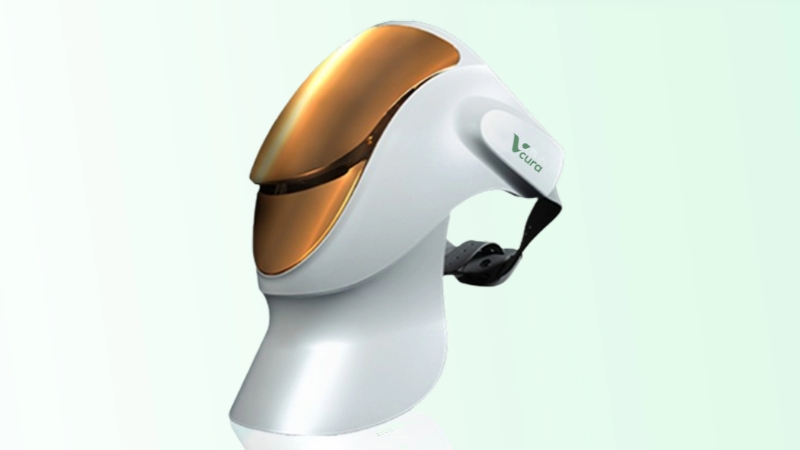
Clinic-inspired LED light therapy for your bathroom counter, no appointment required.
LED wavelengths that once required a dermatologist’s office now sit on your nightstand. The Vakura Luma Therapy Mask uses photobiomodulation—specific light frequencies tied to collagen production and inflammation reduction—to mirror professional aesthetic treatments. Built for comfort and consistent use rather than high-intensity clinical protocols, it bridges the gap between in-office procedures and consumer devices.
Busy schedules get a reprieve. A few minutes of wearable light therapy transforms downtime into a mini reset for your complexion, making professional-grade skincare accessible without blocking out an afternoon. Launched via Indiegogo, Luma targets early adopters seeking results that don’t require subscriptions or complicated regimens.
2. Rachel Nodbot
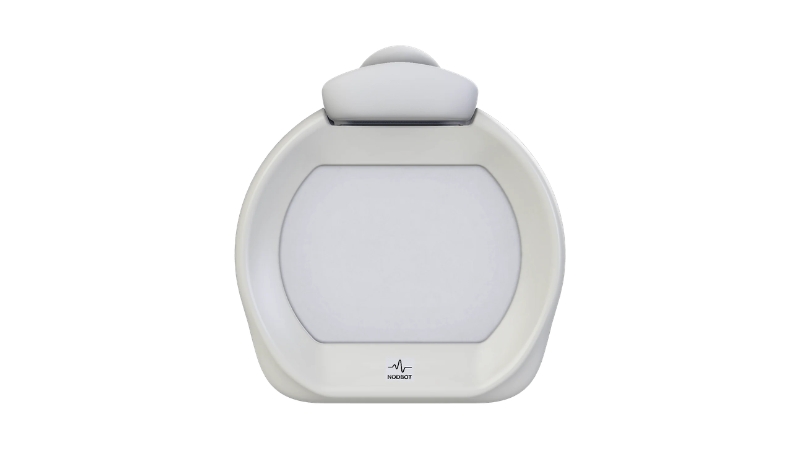
Gentler wake-ups through adaptive lighting and calming guidance, not auditory assault.
Traditional alarms treat mornings like emergencies. Rachel Nodbot reframes the transition with soft lighting, calming audio guidance, and adaptive timing that eases users into consciousness. At night, ambient cues promote relaxation without disruptive alerts. Non-intrusive sensors (no cameras) and local data storage prioritize privacy, ensuring personal routines stay personal.
The device learns patterns over time, adjusting its approach to match individual sleep-wake cycles. A soothing, bedroom-friendly aesthetic aligns modern AI capabilities with wellness-focused décor, making mindful transitions feel less like a luxury and more like the default.
3. Sony LinkBuds Clip
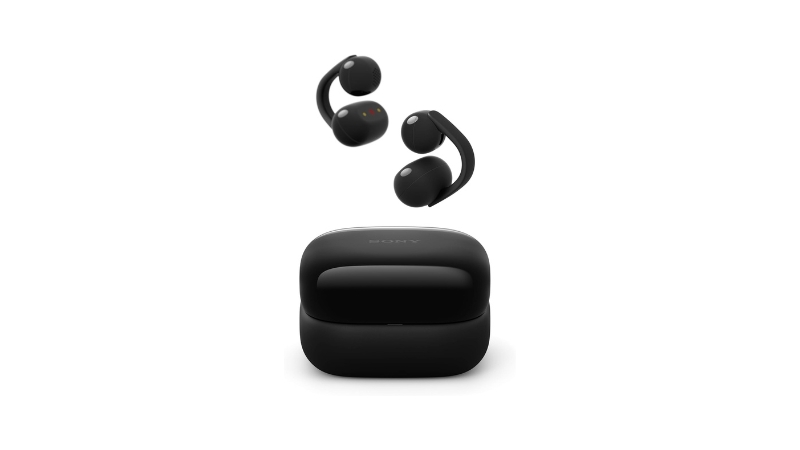
Open-ear audio that lets you hear playlists and approaching buses with equal clarity.
Clip-on earbuds that rest outside the ear canal keep environmental sounds accessible while delivering audio. Commuting with music no longer means missing your stop announcement or a colleague calling your name. The design targets all-day comfort without sealing the ear, making them suitable for long work sessions, workouts, or travel.
Smart connectivity enables seamless device switching between phones and computers for multitasking. Clear voice pickup improves call quality in noisy environments, while sound customization and fast charging reinforce their role as everyday lifestyle wearables. Water resistance handles workouts; ergonomic design handles extended wear.
4. Dephy Sidekick
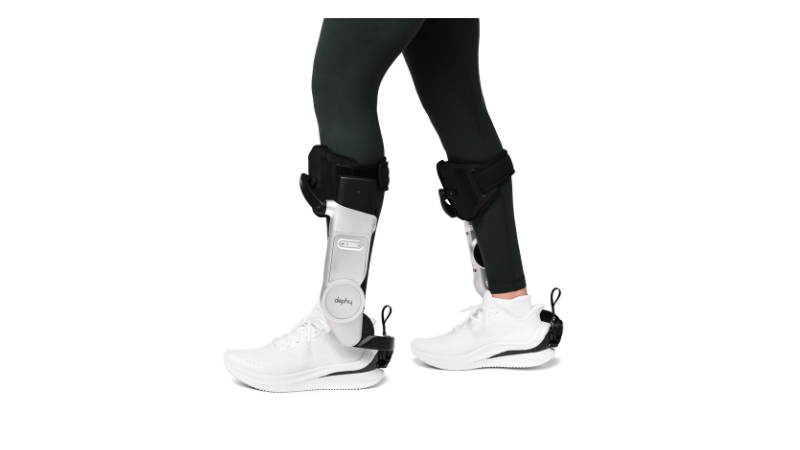
Ankle-worn robotics that lighten your stride without the exoskeleton bulk.
The Dephy Sidekick learns individual gait patterns within moments, providing powered ankle support that makes steps feel lighter. Compatible with footwear, it uses adaptive control and motion sensors to anticipate movement, delivering smooth assistance rather than rigid propulsion. Lightweight construction ensures it feels like an extension of the body, not equipment.
Longer distances become less daunting. Fatigue reduction builds confidence for errands, park visits, or any activity that once felt like a negotiation with tired legs. Real-time adjustments respond to changing terrain and pace, making assisted walking feel intuitive rather than mechanical.
5. Pickle One Soul Computer

AR glasses that turn daily experiences into structured memories, then surface them when needed.
Pickle One captures experiences through sensors and a camera, building a digital memory bank that recalls context on demand. A full-color AR display overlays information without obstructing real-world vision, anticipating needs by surfacing reminders, handling messages, or suggesting actions proactively. Privacy remains user-controlled, with secure local data storage.
During a pitch, forgotten details appear in your vision. At a party, names and context resurface before awkward pauses. The system aspires to feel like a sixth sense for navigating social and professional environments, helping users stay present while staying informed.
6. SwitchBot Onero H1
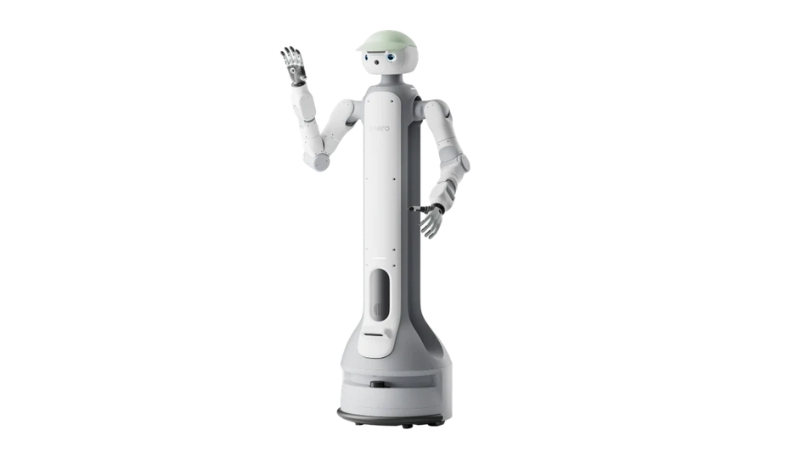
Wheeled mobility meets articulated arms for a home robot that handles multiple chores.
Most home robots specialize. The Onero H1 generalizes, using a wheeled base and articulated robotic arms to pick up, organize, and manipulate objects. On-device AI recognizes items and positions them safely, learning household routines over time. Integration with the broader SwitchBot smart home ecosystem allows coordinated control of lights, curtains, and appliances.
Scattered toys after playdates get sorted. Clutter gets addressed without a manual reset of the floor plan. The robot adapts, improving its usefulness as it observes daily patterns, effectively acting as a diligent roommate who finally pulls their weight.
7. Selepu Dream Pilot Neurosleep Mask
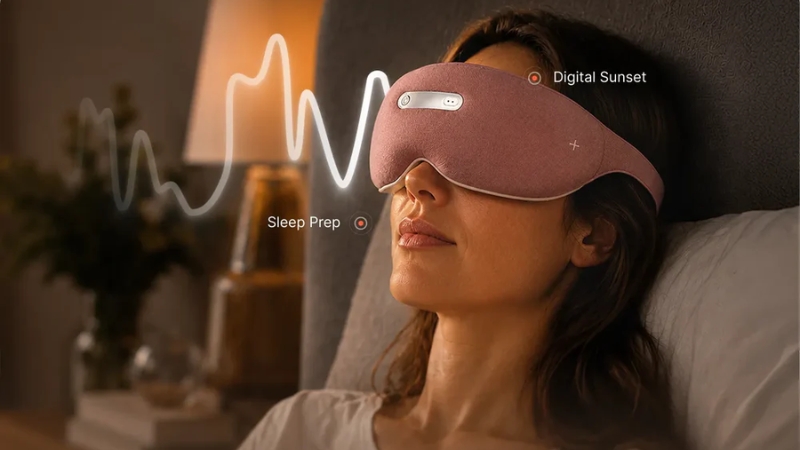
EEG sensors and multimodal relaxation combine to guide faster, deeper sleep.
The Dream Pilot uses EEG sensors to track brainwaves in real time, allowing adaptive AI to analyze sleep patterns and guide users toward faster onset and deeper restorative stages. Binaural audio, far-infrared heat therapy, gentle EMS stimulation, and vibration massage relax mind and body simultaneously. A zero-pressure, full-blackout design accommodates side sleepers and light-sensitive users.
An optional companion app provides personalized insights, multi-mode operation, and long-term improvement tracking. The mask transforms restless nights into restorative recharges by engaging a holistic system that optimizes entire sleep cycles, not just blocking out the world.
8. Litter-Robot Evo
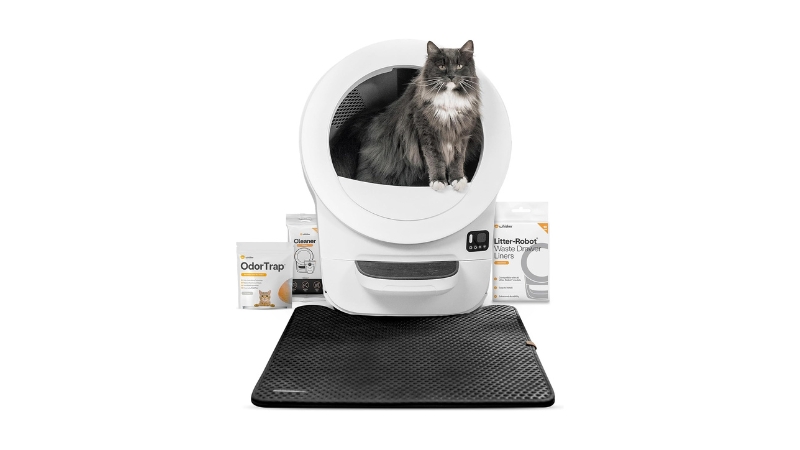
Automatic self-cleaning for 1–2 cats, sealed odor control, and app-based monitoring.
The Litter-Robot Evo uses a rotating sifting mechanism to separate clumped litter from clean litter, depositing waste into a sealed, carbon-filtered drawer. Weight sensors and a SafeCat system ensure cleaning cycles start only after cats (3–19 lbs) exit safely, reducing stress and enhancing safety. Despite a smaller footprint, it offers sufficient interior space and a wide entry for comfort.
Wi-Fi connectivity and the Whisker app enable usage monitoring, alerts, and litter box habit tracking for health insights. Standard clumping litter works—no proprietary consumables required—and modular components simplify maintenance. Automation eliminates daily scooping, transforming litter duty into a hands-off operation.
9. Miko 3
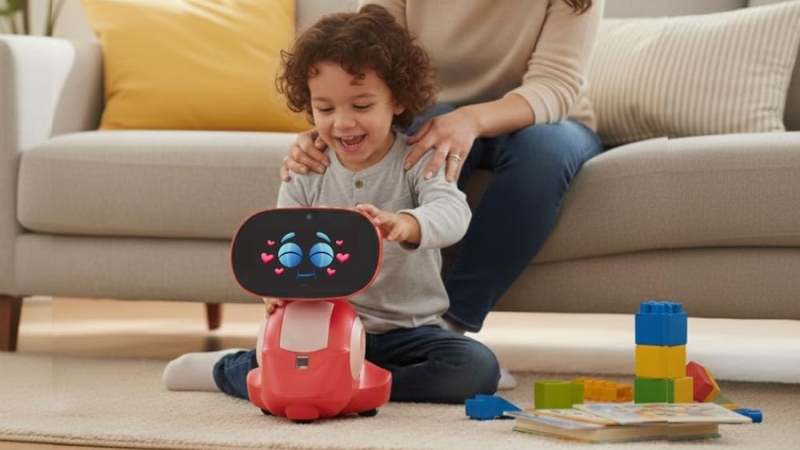
AI-powered STEAM learning for kids 5–10, with autonomous navigation and COPPA compliance.
Miko 3 delivers age-appropriate content through a 4.9-inch HD touchscreen, wide-angle camera, speakers, and dual microphones. Animated interactions use speech, gestures, and facial recognition to support games, stories, coding exercises, and multilingual conversations. AI personalizes content to match each child’s interests and progress.
The robot navigates autonomously using environmental sensors, moving safely around home spaces. Kids Safe/COPPA compliance and a parent app give caregivers control over settings and engagement monitoring. Regular cloud-based content updates keep activities fresh and aligned with educational goals.
10. Anura Magic Mirror
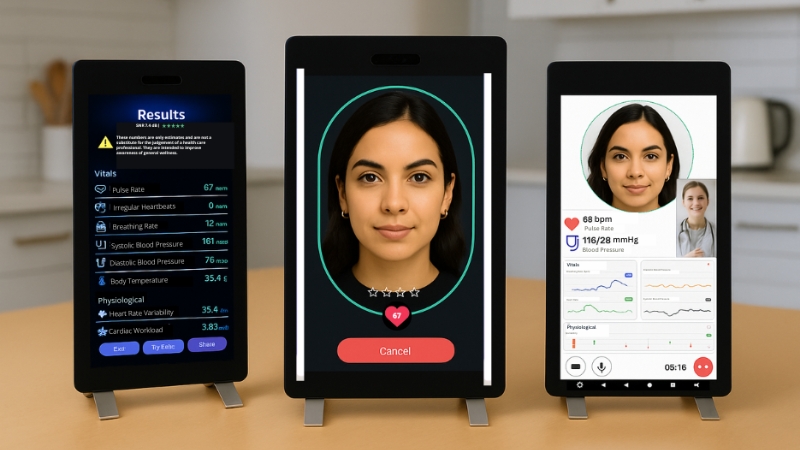
Over 100 health parameters in 30 seconds via facial blood flow imaging.
Patented transdermal optical imaging (TOI) captures video of the user’s face, analyzing blood flow patterns to estimate heart rate, blood pressure, respiration rate, temperature, and risk indicators for conditions like heart disease and stroke. A 21.5-inch display presents results, while Wi-Fi, Ethernet, and 4G enable real-time data transmission to clinics, gyms, wellness centers, or senior care facilities.
Contactless, non-intrusive design eliminates cuffs or wearable sensors, supporting high-throughput screening environments. Quick health checks become as straightforward as standing in front of a mirror, making clinical-style assessments accessible in everyday settings.
11. Withings Body Scan 2
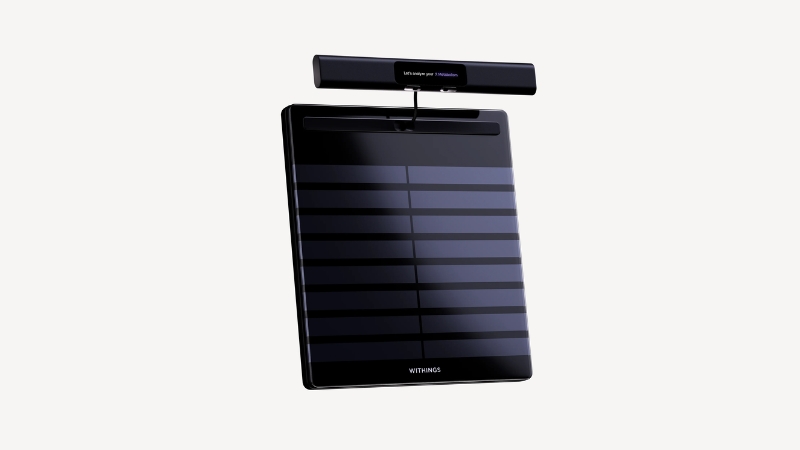
Sixty-plus health markers in 90 seconds via advanced smart scale technology.
The Withings Body Scan 2 measures cardiovascular function, arterial health, metabolic indicators, and cellular metrics through non-invasive readings. A tempered glass platform and retractable handle with embedded electrodes enable segmental body composition and cardiovascular measurements. Impedance cardiography, 6-lead ECG, and bioimpedance spectroscopy evaluate heart rhythm, nerve activity, and body composition.
Wi-Fi and Bluetooth sync data to the companion app, which provides AI-driven risk alerts and a health trajectory score for long-term monitoring. The device positions itself as a home longevity station, bringing clinical-style preventive metrics into daily use without requiring clinic visits.
12. Serapis Sleep System
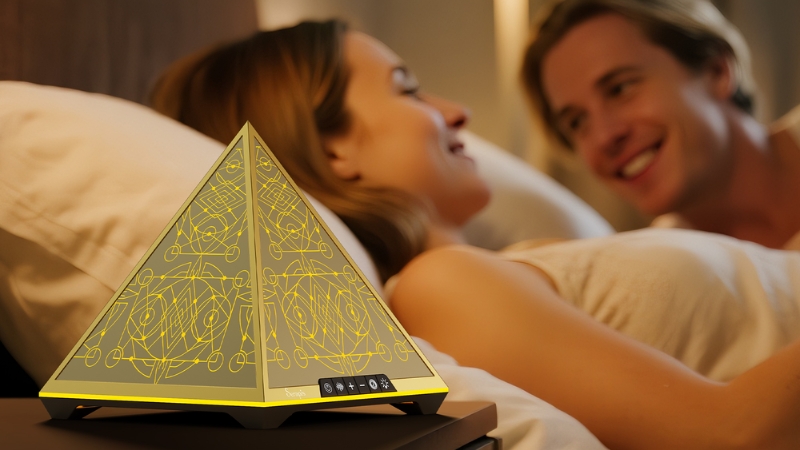
Pyramid-shaped bedside device blending sound, light, and rhythm for app-free sleep optimization.
Schumann resonance tuning, natural soundscapes, breath-synchronized light therapy, and visual “somnofractals” guide the brain toward calmer states. Preset modes address specific challenges—jet lag, overthinking, fragmented sleep—without requiring an app. An accompanying online sleep type test recommends the most suitable mode for each user.
The system replaces multiple tools (white-noise machines, night lights, breathing apps) with a single unit, offering a holistic, science-inspired sleep aid that prioritizes rest over screen time.
13. Sunday Robotics Memo
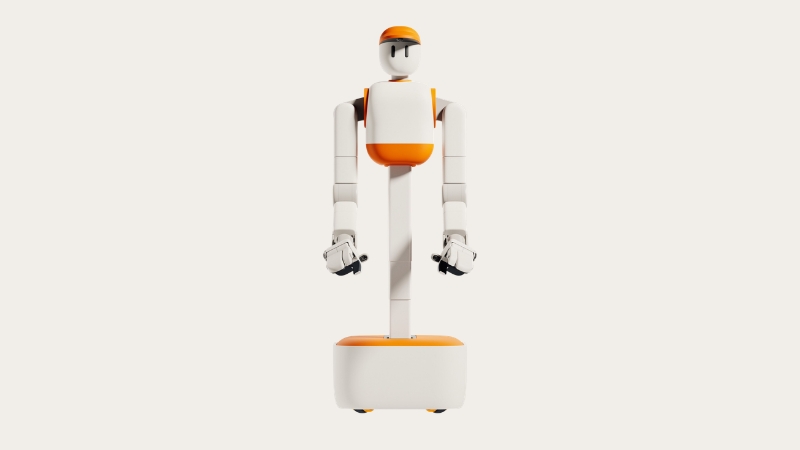
Dual-arm home robot trained on millions of task demonstrations, entering beta in late 2026.
Memo uses a rolling base, telescoping central column, and two articulated arms with dual grippers to perform household tasks like clearing dishes, folding laundry, and making espresso. Training happens via Sunday’s patented Skill Capture Glove, which records real-life task demonstrations to teach complex manipulation skills. A soft silicone exterior improves safety around families, pets, and household objects.
The Founding Family beta program in late 2026 will deploy approximately 50 units to households, refining capabilities in real settings. Memo represents a shift from single-purpose robots to general-purpose household assistance.
14. Zone HSS1
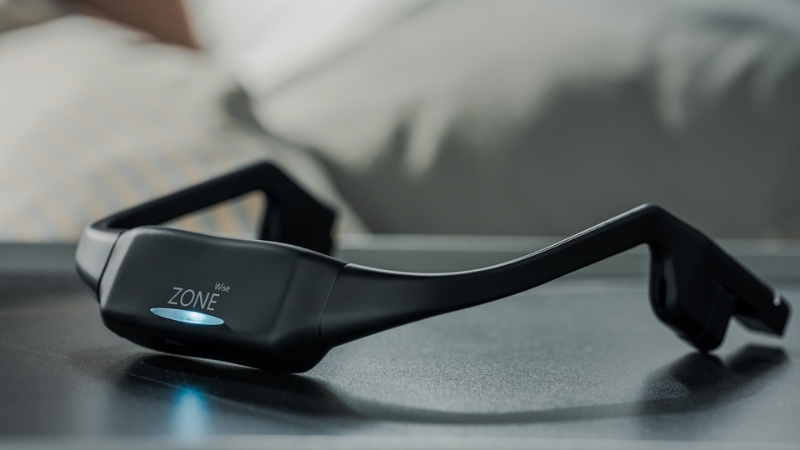
CES 2026 Best of Innovation winner: screen-free AI wearable with detachable earbud for shared and private audio.
The Zone HSS1 combines open-ear stereo speakers with a detachable in-ear earbud, enabling both shared audio and private listening/translation. Hands-free AI conversations, real-time language translation, and contextual assistance happen without a face-mounted display. A downward-tilting camera, on-device processing, and encrypted storage prioritize privacy, reducing the feeling of being constantly recorded.
The detachable earbud supports multi-user scenarios—personalized translation for two people simultaneously, for example. Eliminating a visual display achieves all-day battery life. The device is offered via Kickstarter and manufactured in South Korea.
15. R3 AI Earbuds
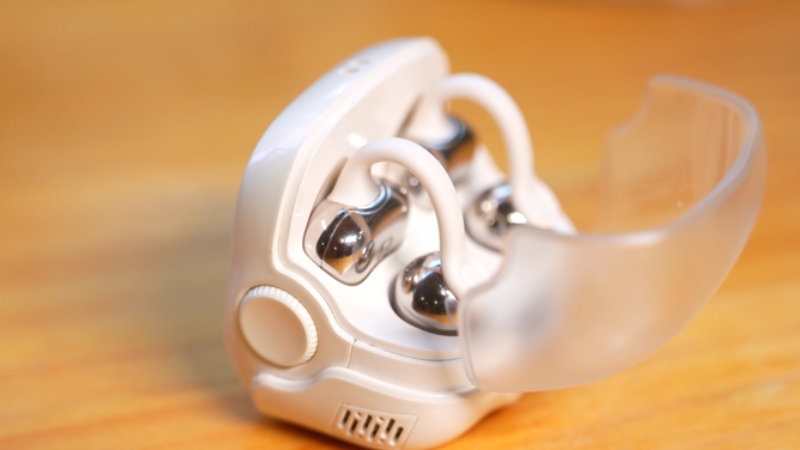
Kickstarter-launched earbuds with connectivity to advanced AI models and a smart charging case with a display.
Bonfire Wanderer’s R3 AI Earbuds support real-time translation, transcription, and conversational AI features across languages. Connectivity targets low-latency, stable links for calls and travel use. A smart charging case with a 2.6-inch display and dual speakers lets users view notifications, control audio, or play content without a phone.
Lightweight construction and seamless pairing emphasize all-day comfort. Specs and pricing remain subject to refinement during the crowdfunding phase, but the focus on language assistance and productivity positions them beyond typical music-only earbuds.