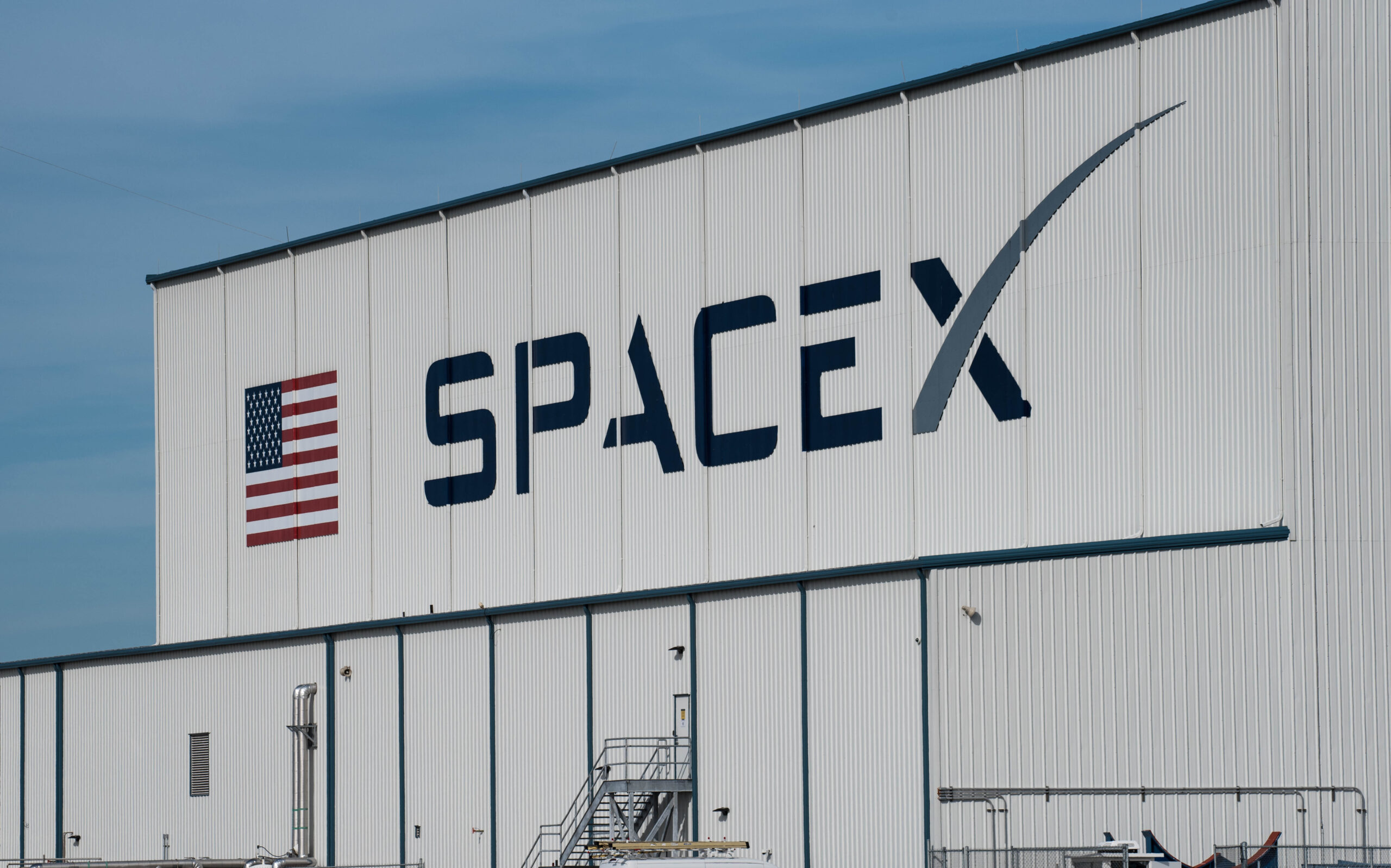
Elon Musk just placed the biggest bet in IPO history. SpaceX’s confidential SEC filing targets a June 2026 listing with a $1.75 trillion valuation—potentially the largest public offering ever attempted. The timing isn’t coincidental: this comes weeks after absorbing xAI in a $1.25 trillion merger, positioning SpaceX ahead of every AI rival by literally moving compute to space.
The Orbital Data Center Play
SpaceX’s xAI merger creates the first space-based AI infrastructure network.
The February xAI acquisition wasn’t just corporate consolidation—it was strategic warfare. While OpenAI and Anthropic fight over earthbound data centers, Musk combined AI compute with Starlink’s 10,000-satellite constellation.
“By merging xAI with the orbital infrastructure of SpaceX, we are building a vertically integrated innovation engine on and off Earth,” Musk stated. Your internet connection could soon route through the same satellites training tomorrow’s AGI models.
Breaking Every Record That Matters
The planned $50-75 billion raise would dwarf Alibaba’s previous $22 billion IPO record.
Confidential filings let companies work privately with SEC reviewers before going public—smart given the complexity of integrating two trillion-dollar entities while developing Starship. Market timing remains risky with geopolitical volatility, but retail investors desperate for Musk exposure may overlook traditional IPO concerns.
If successful, this creates the largest non-Magnificent Seven public company overnight.
The Revenue Engine Actually Works
Starlink’s projected $15.9-24 billion in 2026 revenue provides solid fundamentals beneath the hype.
Unlike typical pre-revenue space startups, SpaceX operates a proven business. Starlink generates real cash from global internet subscribers while collecting over $24.4 billion in U.S. government contracts since 2008. The company completed 165 orbital flights in 2025 alone, demonstrating operational scale that justifies astronomical valuations.
You’re not betting on promises—you’re buying into functioning space infrastructure that already connects millions of users worldwide.
The convergence of space access and AI compute represents more than financial engineering. SpaceX potentially becomes the first company to monetize the ultimate high ground: orbit itself. Whether markets embrace this vision depends on execution, but the infrastructure foundation already exists. The real question isn’t if space-based AI will happen—it’s whether you’ll own a piece of the company making it reality.