Twenty-hour blackouts shouldn’t coexist with rapid renewable energy expansion, yet Cuba proves necessity creates the most unlikely transformations. While 10 million Cubans burn wood for cooking during endless power outages, the island simultaneously deployed one of the planet’s fastest solar transitions—tripling renewable capacity from 5.8% to over 20% in just twelve months.
China Steps In Where Oil Once Flowed
Strategic partnership replaces Venezuela’s severed fuel lifeline with unprecedented solar deployment.
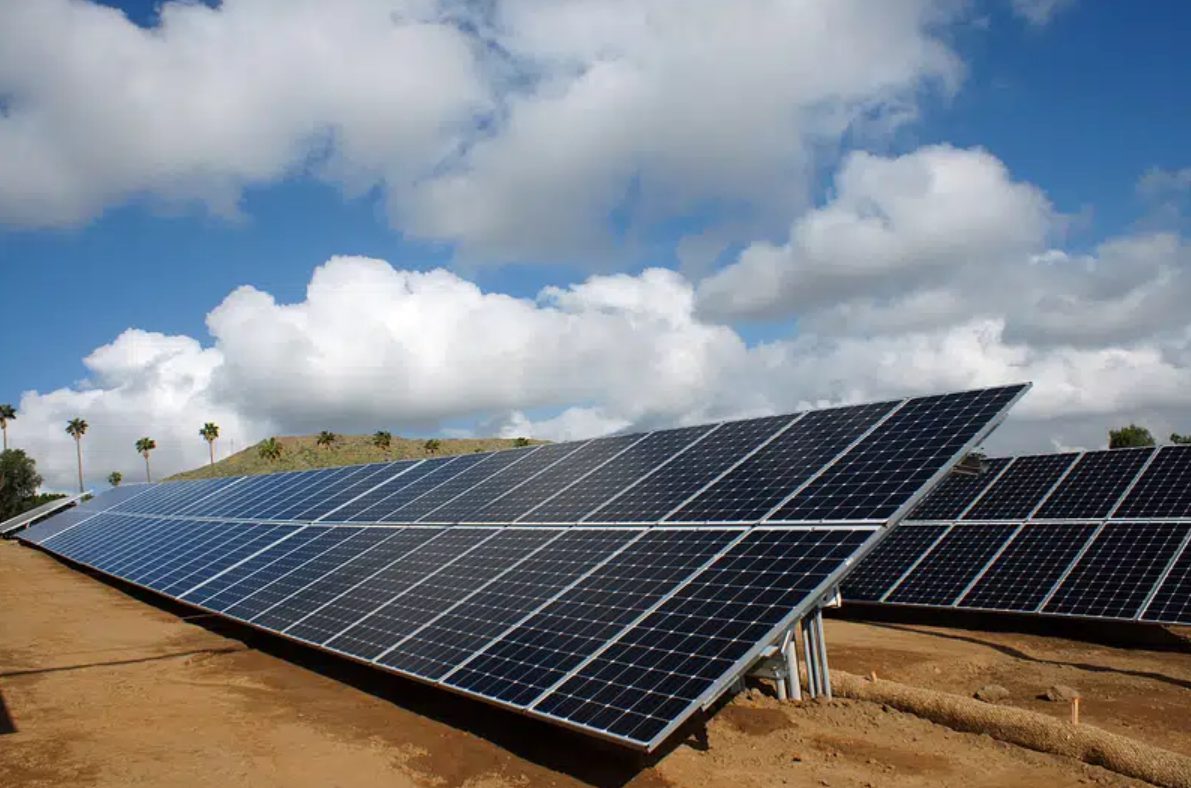
Chinese solar panel imports exploded from $3 million in 2023 to $117 million in 2025—a nearly 40-fold surge that signals desperation meeting opportunity. Cuba has connected 49 solar parks to its national grid, targeting 92 installations by 2028 for 2 gigawatts of capacity. This isn’t just equipment sales; China supplied thousands of home solar kits and technical expertise for a comprehensive energy overhaul.
Dave Jones of Ember energy analytics calls it “one of the most rapid solar revolutions anywhere,” outpacing even U.S. deployment rates. The partnership extends beyond utility-scale installations to distributed systems for critical facilities like hospitals and emergency rooms.
Revolutionary Numbers, Unchanged Daily Reality
Impressive renewable statistics mask worsening blackouts and systemic infrastructure collapse.
The paradox stings: solar capacity surges while power reliability plummets. Ricardo Torres, a Cuban economist, notes that asking average Cubans about solar benefits yields a likely answer of “no… because the blackouts are now worse than they were a year ago.” Cuba’s aging thermal plants fail faster than renewables can compensate, creating cruel math where clean energy progress accompanies deteriorating living conditions. Storage deficiencies mean solar power vanishes with sunset, leaving evening peaks unmet.
Energy Sovereignty Through Geopolitical Chess
Cuba’s renewable pivot reshapes Latin American energy politics while reducing U.S. leverage.
Kevin Cashman of the Transition Security Project frames this transition as removing “the main external lever of U.S. coercion”—fuel import dependency. China’s renewable partnership builds “goodwill with the rest of Latin America,” according to University of Texas energy expert Jorge Piñon, expanding Beijing’s influence through technological aid rather than traditional diplomacy. Cuba’s forced march toward energy independence signals other resource-constrained nations that renewables offer geopolitical insurance, regardless of immediate reliability gains.
This Caribbean laboratory demonstrates that energy crises accelerate transitions impossible under normal circumstances—even when residents see few immediate benefits from their nation’s renewable revolution.