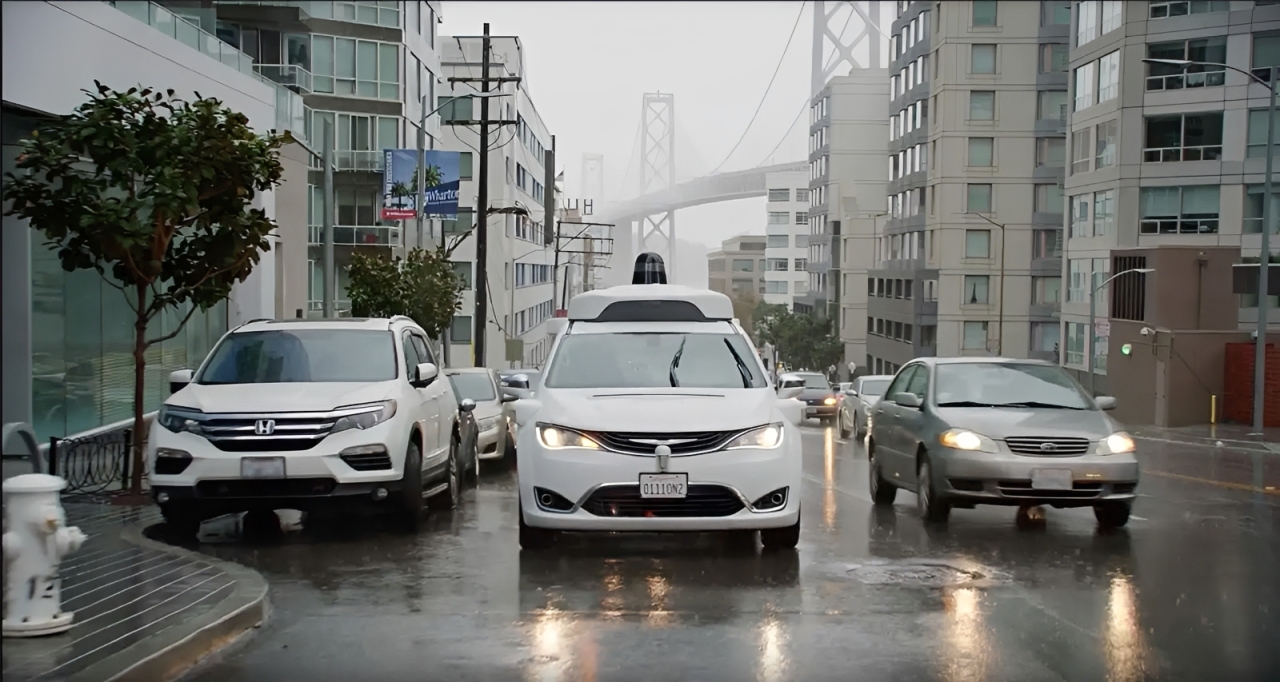
Have you ever seen an empty Waymo robotaxi getting swept away by floodwaters like a lost shopping cart? That’s exactly what happened in San Antonio this past April, triggering a fleet-wide recall of all 3,791 Waymo vehicles across a dozen U.S. cities. The problem? These supposedly intelligent machines couldn’t distinguish between a puddle and a potentially deadly flood zone.
The recall, announced May 12th by federal safety regulators, addresses a fundamental flaw in how Waymo’s autonomous driving system processes extreme weather. Instead of stopping when encountering untraversable flooding—particularly on higher-speed roads—the vehicles were slowing down but continuing forward. Think of it like your phone’s autocorrect: technically functioning, but catastrophically wrong when context matters most.
The Pattern Problem Nobody Wants to Discuss
This marks another in a series of safety recalls for the robotaxi leader.
This marks another in a series of safety recalls for Waymo. The company has issued voluntary safety fixes for crashes involving towed vehicles, illegal school bus passing incidents (19 documented cases), and collisions with parking gates and utility poles. Each incident reveals the same underlying challenge: edge cases that human drivers navigate intuitively but trip up artificial intelligence.
The current flood detection issue affects both fifth and sixth-generation Waymo systems, meaning this isn’t an outdated software problem but a core architectural challenge. NHTSA documentation reveals Waymo is “still developing the final remedy,” making the current software updates mere band-aids rather than permanent solutions.
Trust Issues in the Age of Automation
Safety statistics can’t paper over fundamental reliability questions.
Waymo maintains its vehicles demonstrate 12 times fewer pedestrian injury crashes than human drivers. But repeated recalls raise uncomfortable questions about whether you can rely on these systems when the weather turns nasty or unexpected situations arise. San Antonio has already paused Waymo operations following the flooding incidents.
The company has implemented “refined extreme weather operations” and limited access to flash flood-prone areas—essentially admitting their vehicles need training wheels during challenging conditions. For riders depending on consistent transportation, these operational restrictions transform autonomous vehicles from revolutionary convenience into fair-weather friends.
Municipal governments betting big on autonomous transportation partnerships now face awkward conversations about liability and service reliability when residents need rides most. Those considering electric alternatives might find traditional vehicle ownership more reliable during extreme weather events.