Remember when Hyundai’s flying car division cut 80% of its workforce last September? That death spiral just reversed course. The automaker signed a partnership with Korea Aerospace Industries in May 2026, dragging Supernal back from the startup graveyard with actual aerospace muscle behind it.
This isn’t another Silicon Valley moonshot promising the impossible. KAI builds fighter jets and satellites for South Korea’s military. When they commit to airframe production and certification pipelines, urban air mobility concepts suddenly carry the weight of defense contractor precision.
Who Does What in the Sky
Supernal handles design and electric powertrains while KAI manages the complex certification maze.
The partnership splits responsibilities like a well-choreographed Top Gun sequence. Supernal leverages Hyundai’s EV expertise for aircraft design and electric powertrains—basically applying Ioniq 5 battery tech to rotors. KAI handles everything that actually gets flying cars approved: airframes, supply chains, and the brutal FAA certification process that kills most eVTOL dreams.
“By combining Korea Aerospace Industries’ integrated capabilities with Hyundai Motor Group’s large-scale manufacturing expertise, we expect to develop K-AAM solutions capable of competing at the global level,” according to Hyundai’s official statement. Translation: mass production meets aviation standards.
The S-A2’s 2028 Timeline
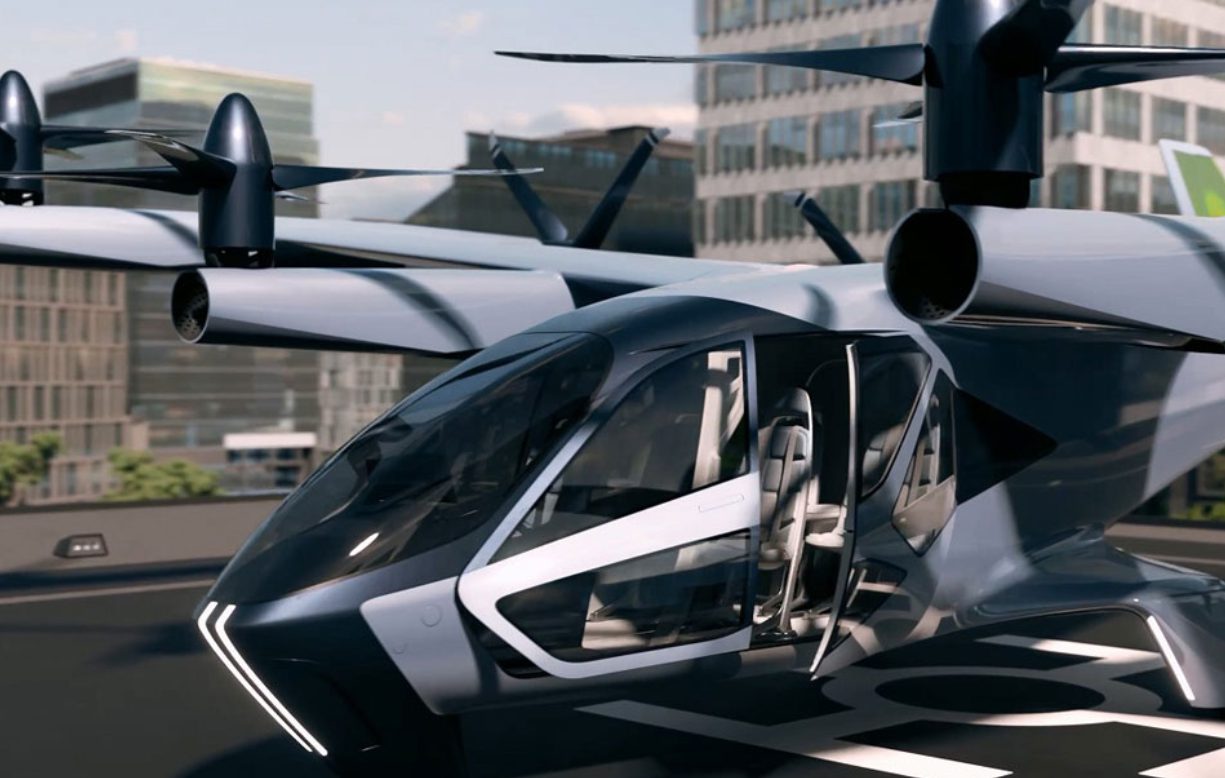
Supernal’s four-passenger eVTOL targets commercial launch with automotive-grade scalability.
The S-A2 promises pilot-plus-four seating for 25-100 mile urban hops at roughly 120 mph cruise speed. That’s Chicago to Milwaukee in 45 minutes, assuming vertiports exist and pricing remains accessible. The 2028 U.S. launch target sounds optimistic given past delays, but automotive manufacturing discipline could actually deliver where aerospace startups stumble.
Hyundai’s separately developing hydrogen-powered intercity shuttles for the 2030s, hedging bets between battery and fuel cell futures. Smart move when competition includes everyone from Joby Aviation to whatever Elon’s cooking up next.
Morning commutes probably won’t involve rotors anytime soon, but this partnership signals flying cars transitioning from venture capital fever dreams to industrial engineering problems. And those, historically, Hyundai knows how to solve.