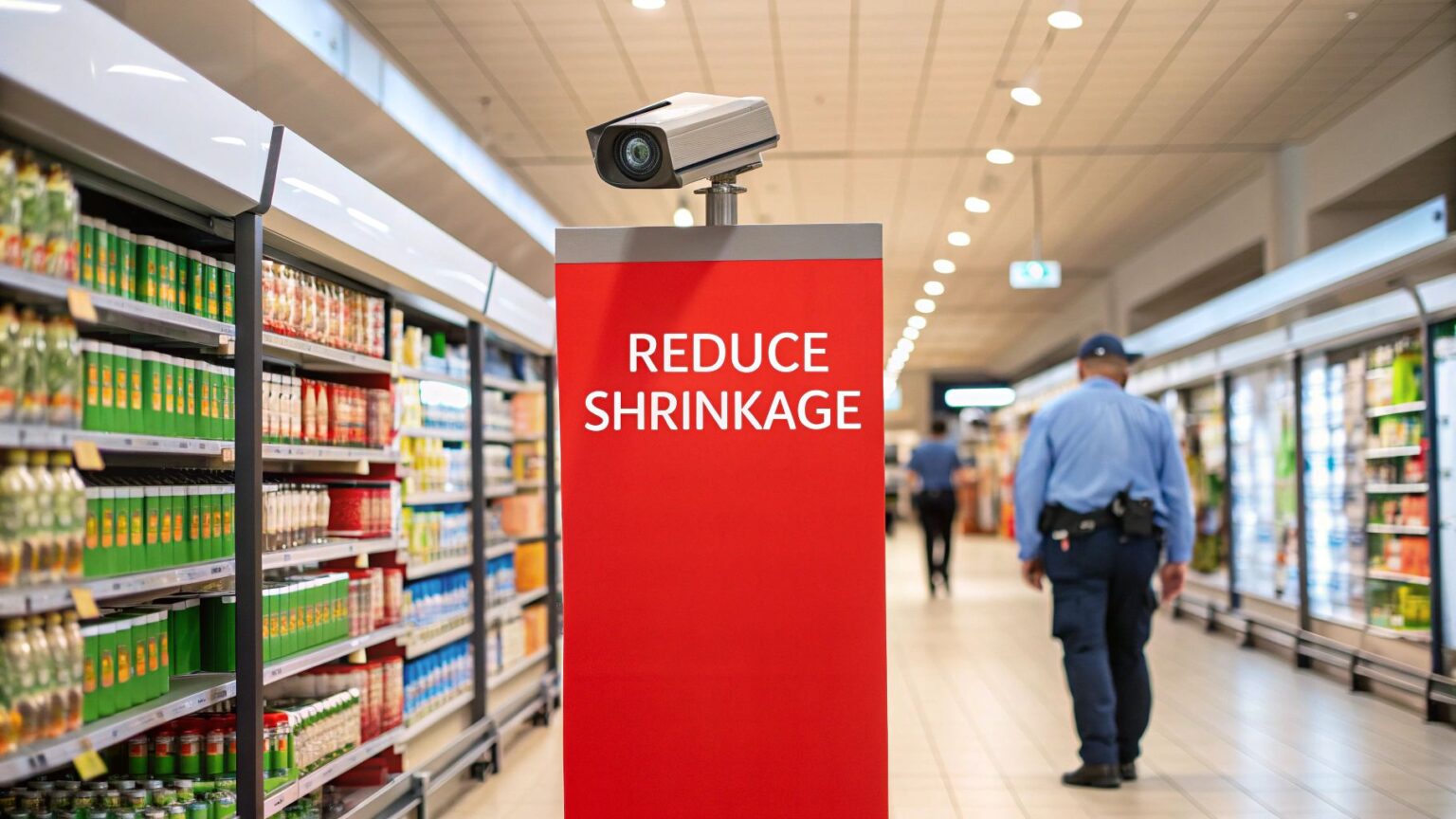
Walking into Wegmans for milk shouldn’t feel like crossing an international border, yet shoppers now find their faces displayed on self-checkout screens while cameras analyze their every move. Major retail chains across North America and the UK have quietly transformed ordinary shopping into comprehensive surveillance operations, deploying facial recognition systems, automated license plate readers, and AI-powered checkout monitoring with minimal public notice.
The Surveillance Trifecta Taking Over Retail
Three distinct tracking technologies are reshaping how stores monitor customers and their behavior.
- Home Depot and Lowe’s scan license plates in parking lots, capturing vehicle data along with timestamps and locations
- Wegmans identifies faces flagged for previous “misconduct” through biometric matching systems
- Tesco and Lidl replay overhead footage of missed scans before allowing self-checkout payments
These aren’t pilot programs—they’re operational reality. FaceFirst alone supplies facial recognition technology to 25 major North American retailers, while an estimated 59% of UK fashion retailers deployed these systems as early as 2016.
Privacy Advocates Sound Alarms Over Surveillance Creep
Civil liberties experts warn that retail surveillance lacks the oversight standards applied to law enforcement.
“This is equivalent to a biometric face check at a passport security booth being deployed for something as ordinary as buying a pint of milk,” says Madeleine Stone from Big Brother Watch. The concern runs deeper than inconvenience.
Kimberly Przeslowski from Quinnipiac University notes retailers “are not held to the same standards as law enforcement” regarding oversight, accountability, and data retention. Meanwhile, much deployment happens “without our awareness,” according to privacy experts from the Privacy Information Center, creating a surveillance infrastructure that shoppers navigate unknowingly.
Retailers Justify Tech With Rising Crime Statistics
Store chains cite daily staff assaults and theft increases as motivation for comprehensive monitoring.
Asda reports “four or five assaults on our colleagues every day,” while industry data shows an 18% rise in shop incidents during 2024. Facewatch claims stores using their technology experienced only 1.4% crime increase versus 44.1% rises elsewhere. Holland & Barrett identified over 600 repeat offenders after investing heavily in anti-theft systems.
Yet critics question these independently unverified claims. Big Brother Watch notes there’s “no independent verification” of facial recognition crime reduction claims, while retail consultant Martin Newman calls facial recognition “not a silver bullet” and emphasizes the need for transparency alongside technological solutions.
The surveillance arms race reflects a fundamental shift from reactive security to predictive monitoring. You’re now shopping in spaces designed to preemptively identify threats rather than simply respond to them. As regulators scramble to catch up with deployment speed, your grocery run has become ground zero for the broader privacy-versus-security debate reshaping public spaces everywhere.