Nuclear waste sits in temporary storage for 100,000 years, but Jefferson Lab’s particle accelerators slash that to just 300 years while generating electricity. This isn’t theoretical physics—it’s a $8.17 million Department of Energy project that could transform America’s most dangerous waste problem into a clean energy goldmine.
How Particle Beams Transform Deadly Isotopes
The process sounds like science fiction but works through precision engineering. High-energy protons from accelerators slam into liquid mercury targets, creating neutrons that “burn up” hazardous waste isotopes. The heat generated powers additional grid electricity while dramatically reducing radioactivity.
“Instead of having a lifetime of 100,000 years in storage, you can shorten the storage years down to 300,” says Rongli Geng, who leads the project at Jefferson Lab.
Microwave Technology Meets Nuclear Innovation
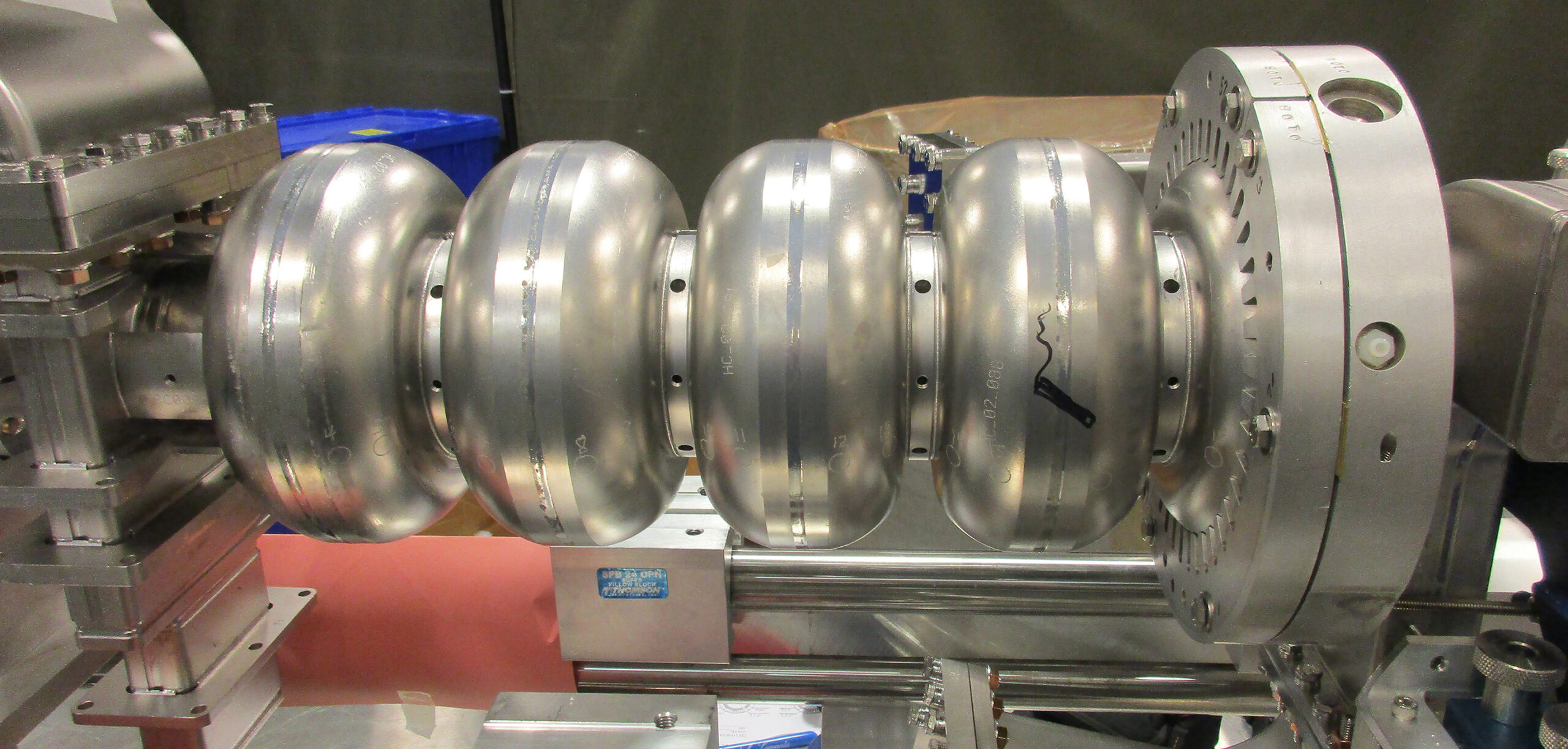
Traditional nuclear waste disposal feels like burying toxic time bombs, while this Accelerator-Driven System treats waste as fuel. The team repurposes microwave oven magnetrons—the same technology heating your leftovers—to power 10-megawatt particle beams at 805 MHz.
Meanwhile, niobium cavities coated with tin operate at higher temperatures, reducing the massive cooling costs that make current superconducting systems expensive.
From Liability to Energy Asset
Ready to rethink nuclear waste entirely? The NEWTON program aims to recycle the entire US commercial nuclear fuel stockpile within 30 years. Partners like RadiaBeam, General Atomics, and Stellant Systems are moving this from lab curiosity to commercial reality.
The shift transforms nuclear waste from climate change timeline storage into something manageable within an iPhone upgrade cycle. This breakthrough addresses your energy bills and environmental concerns simultaneously.
Instead of permanent repositories storing waste for geological ages, accelerator-driven systems generate carbon-free electricity while neutralizing radioactive materials. “The challenge is to really translate the accelerator science to where the technology needs to be,” Geng explains—turning particle physics into practical power generation that makes nuclear waste America’s unexpected clean energy resource.