Walking through Target, you grab a protein bar, glance at the energy drinks, then move toward checkout with your phone buzzing notifications. That innocent grocery run just generated more behavioral data than your last Amazon session. Weight sensors under those shelves recorded every product you touched, ceiling cameras mapped your walking pattern, and Wi-Fi sniffers logged your phone’s unique signature—all building a profile of your shopping DNA.
The Invisible Data Collection Network
Smart shelves and hidden sensors turn every aisle into a behavioral analytics lab.
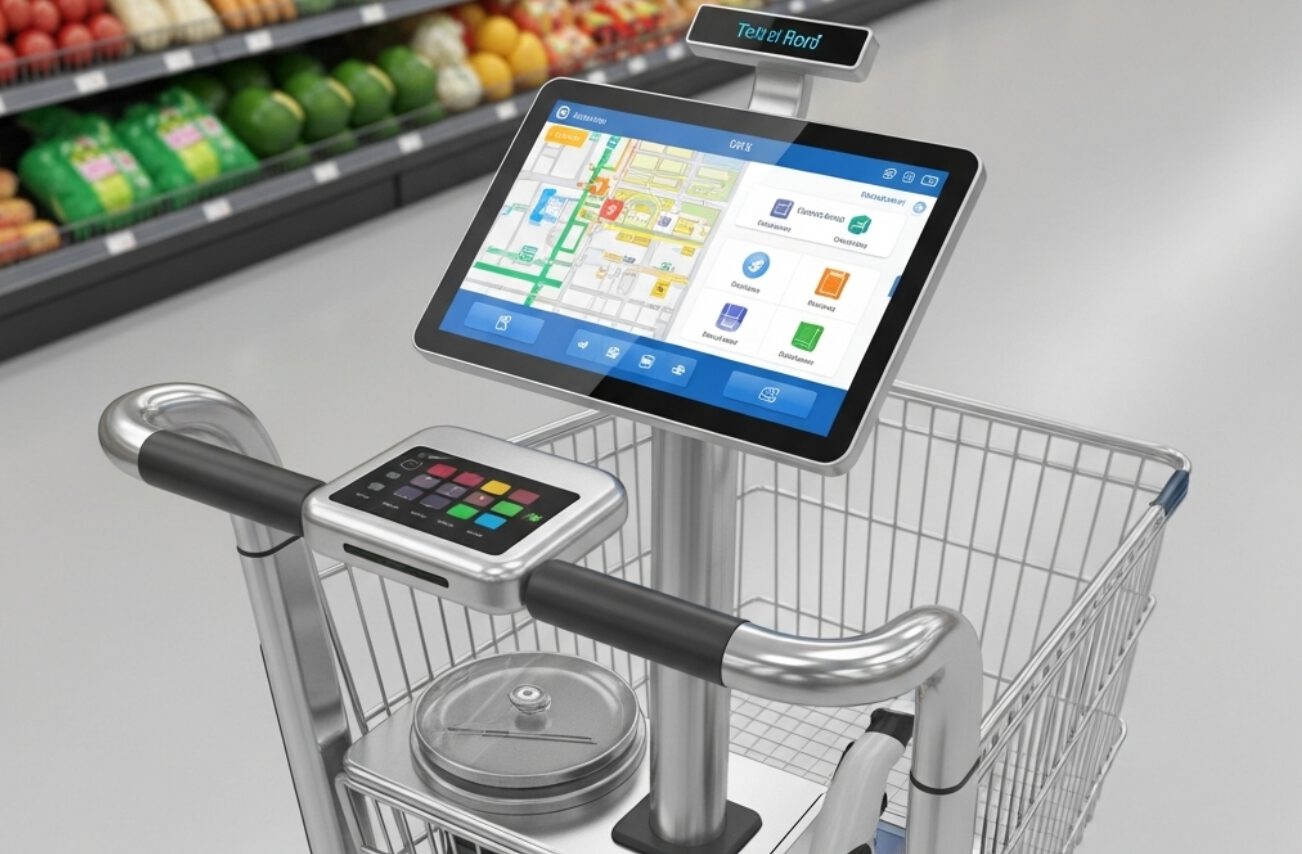
Modern stores deploy an arsenal of tracking tech that makes online cookies look quaint. Weight sensors embedded in shelves detect when you lift products—even if you put them back. RFID readers and computer vision cameras capture how long you hesitate between brands. Meanwhile, Wi-Fi and Bluetooth sniffers grab anonymized identifiers from your phone, tracking your route through the store and measuring dwell times in different sections.
These systems generate detailed heat maps showing where customers cluster and which displays actually drive sales. The data flows in real-time, creating a digital shadow of your physical shopping behavior.
What Retailers Actually Do With This Intel
Your browsing patterns reshape store layouts and trigger dynamic pricing algorithms.
“Smart shelves primarily collect precise product-level data to help retailers understand shopping behaviours and preferences,” according to Howood International. Translation: they’re redesigning stores around your unconscious habits. Retailers use movement data to:
- Relocate popular items
- Adjust pricing based on demand patterns
- Trigger personalized ads on digital displays when you approach specific sections
That endcap promotion you noticed? Probably positioned there because data analysis showed customers like you pause at that exact spot. Your hesitation between breakfast cereals becomes tomorrow’s shelf optimization.
The Anonymous Data That Isn’t Really Anonymous
Device identifiers create behavioral profiles that follow you across multiple visits.
Here’s where “anonymous” data collection gets murky. While stores claim they don’t know your identity, your phone broadcasts the same unique identifiers on every visit. Retailers can link these signals across shopping trips, building detailed behavioral tracking without ever learning your name.
You might discover organic foods one week and athletic gear the next—that progression gets tracked and categorized for targeted marketing. The efficiency benefits are real: better stock management, reduced waste, fewer out-of-stock frustrations. But you’re trading shopping privacy for convenience in ways most people never realized they agreed to.
Computer vision systems are rapidly expanding beyond device-dependent tracking, analyzing movement patterns regardless of your phone’s settings. As retail surveillance grows more sophisticated, knowing what data you’re generating becomes the first step in controlling it.