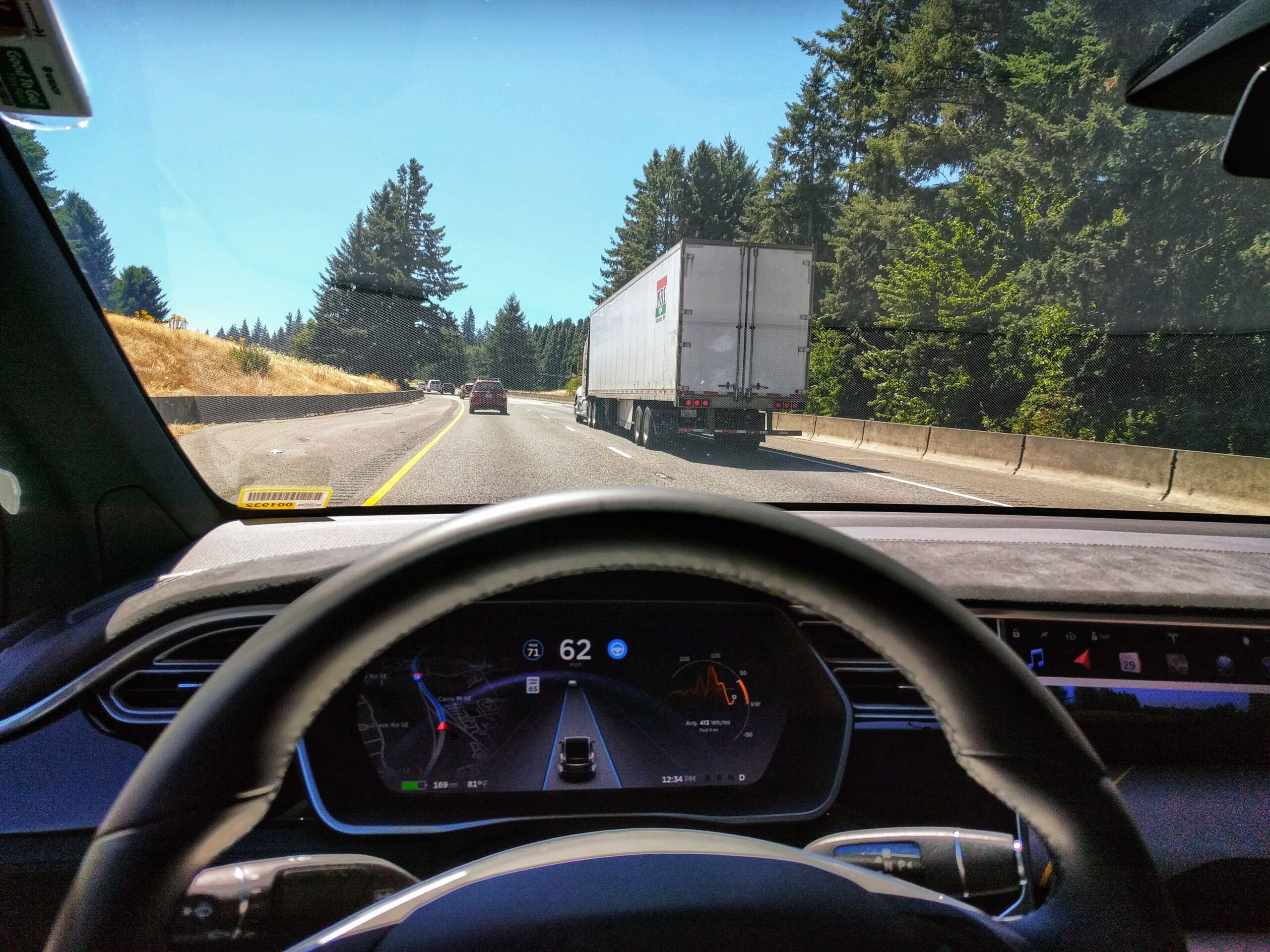
Regulatory enforcement against tech giants is about as rare as finding genuine engagement on LinkedIn—which makes Tesla’s recent marketing makeover worth your attention. The EV maker just avoided a devastating 30-day suspension of its California manufacturing and dealer licenses by scrapping the term “Autopilot” from its marketing and clarifying that “Full Self-Driving” still requires you to keep your hands on the wheel.
The Marketing Reality Check
An administrative judge ruled that Tesla “intentionally” misled consumers about its driver-assistance capabilities.
An administrative law judge delivered a brutal assessment in December 2025, concluding that Tesla’s marketing followed “a long but unlawful tradition of intentionally using ambiguity to mislead consumers.” The features in question? “Autopilot” helps match traffic speed and assists with steering within marked lanes on highways, while “Full Self-Driving” can change lanes and respond to traffic signals on city streets.
Neither creates the autonomous vehicle Tesla’s naming suggested—they’re advanced driver-assistance systems that demand constant human supervision, not sci-fi self-driving cars. The judge’s ruling stemmed from a nearly three-year regulatory battle that began when California’s DMV filed formal accusations in November 2023.
Compliance Under Pressure
Tesla met the February deadline by rebranding features and emphasizing driver supervision requirements.
Tesla complied by February 17, 2026, ditching “Autopilot” entirely in California marketing and rebranding its premium feature as “Full Self-Driving (Supervised)” or “FSD Supervised.” California DMV Director Steve Gordon stated the department was “pleased that Tesla took the required action to remain in compliance with the State of California’s consumer protections.”
The alternative—losing access to nearly one-third of its U.S. sales for 30 days—would have been financially catastrophic. The DMV’s final decision adopted the judge’s findings regarding violations. Still, it reduced the initially recommended penalties, permanently suspending the manufacturer’s license suspension while giving Tesla 60 days to correct its marketing materials.
Convenient Business Timing
Marketing changes coincided perfectly with Tesla’s shift to subscription-based FSD pricing.
The timing raises eyebrows like a TikTok creator suddenly adding sponsored content disclaimers. Tesla discontinued standalone Autopilot purchases in January 2026, moving exclusively to a $99 monthly FSD Supervised subscription—eliminating the previous $8,000 one-time purchase option.
This regulatory compliance conveniently accelerated Tesla’s transition to recurring revenue, transforming a legal requirement into a business opportunity. The February 17 compliance deadline aligned perfectly with Tesla’s broader shift away from one-time feature purchases toward subscription-based software monetization.
Industry-Wide Implications
Settlement establishes precedent for state oversight of autonomous vehicle marketing claims.
This case signals that state regulators won’t tolerate marketing ambiguity in safety-critical technologies. Other automakers developing driver-assistance features now face scrutiny over their naming conventions and promotional language. The settlement formally closes a dispute that dragged on for nearly three years but sets a clear precedent for future enforcement actions.
For you as a car buyer, this enforcement action means clearer disclosure about what these expensive features actually do versus the autonomy they promise to deliver someday. Tesla’s compliance demonstrates that even dominant market players face meaningful regulatory consequences for deceptive practices in high-stakes safety domains.