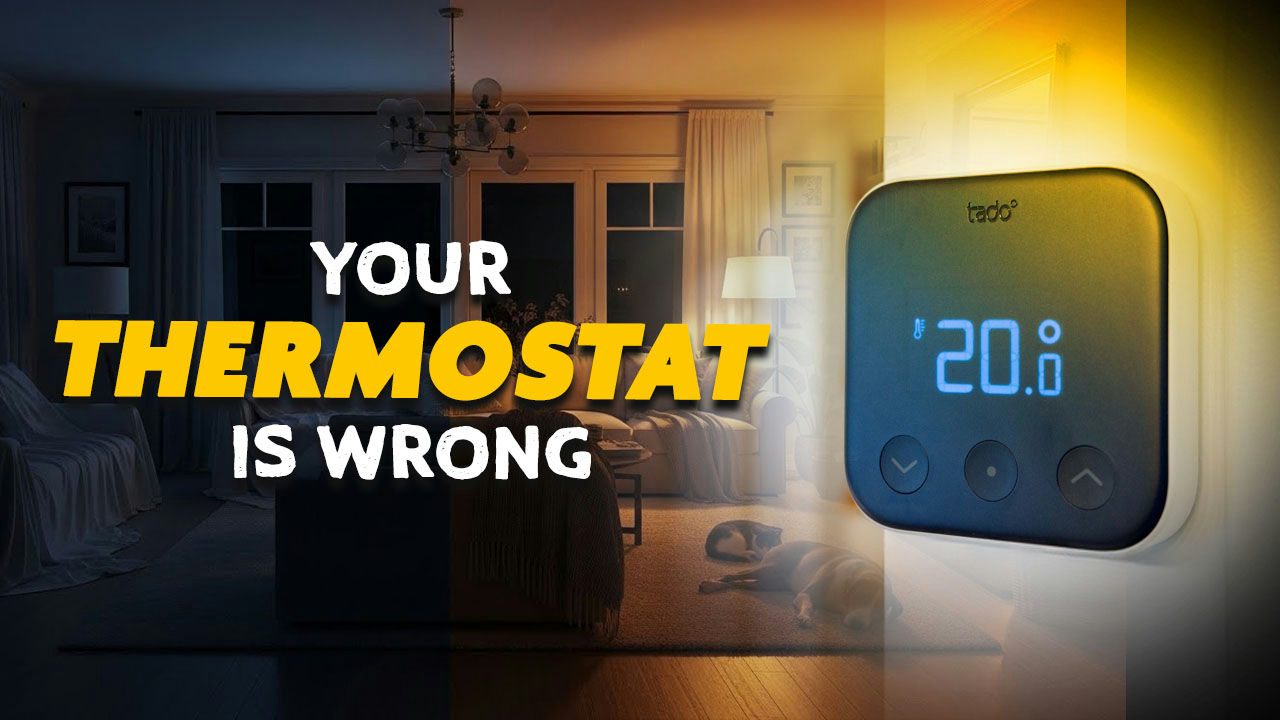
The global smart home market was projected to reach $174 billion by 2025, so these aren’t another passing fad. Tomorrow’s smart homes promise intuitive, AI-driven controls, energy-efficient systems, robust security, and a commitment to sustainability. We’ve curated standout technologies that not only solve everyday problems but also offer a glimpse into the future of home living. Each selection emphasizes seamless integration, tangible benefits, and that “wow” factor that makes you wonder how you ever lived without them.
This content may contain affiliate links. If you wish to support us and use these links to buy something, we may earn a commission.
11. AI-Powered Security Systems
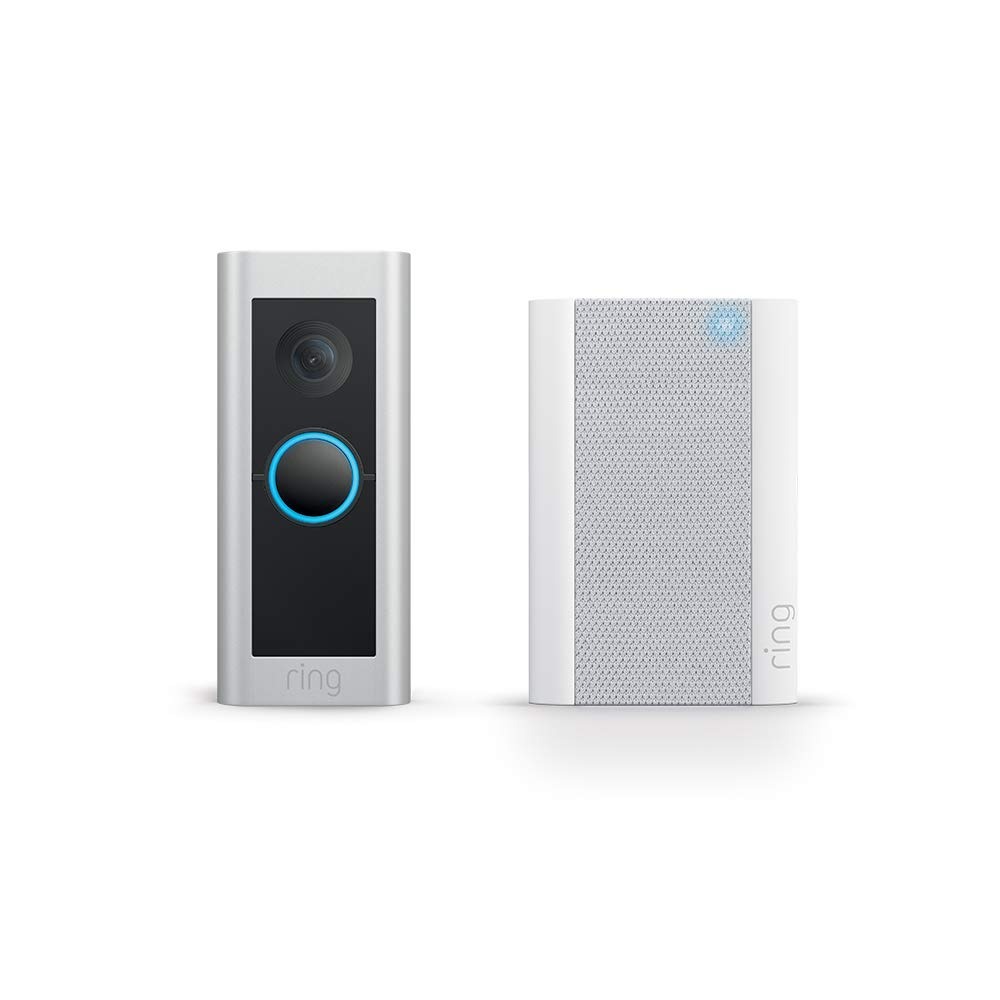
Advanced threat detection using facial recognition to identify potential intruders before they reach your door.
These systems offer enhanced threat detection using facial recognition cameras to identify potential intruders before they even reach your door. Picture this: you’re away on vacation and receive an alert with a clear image and real-time assessment, allowing you to contact authorities immediately.
It’s not just about catching criminals; it’s about providing peace of mind. Despite what some may say, these systems aren’t just for the ultra-rich—they’re becoming increasingly accessible for everyday homeowners.
10. Centralized Control Systems

These systems unify smart home devices, even allowing security camera feeds directly on your thermostat’s screen.
Centralized control systems can unify smart home devices, even allowing security camera feeds on thermostats such as Ecobee models. Think of seeing who’s at the door directly on your thermostat’s screen, enhancing security and convenience while streamlining control of lighting, security, and entertainment.
Picture this: adjusting the temperature automatically dims lights and queues your favorite playlist, setting the perfect mood for relaxation. These systems are transforming from luxury to expectation as smart home integration becomes standard.
9. Circadian Lighting
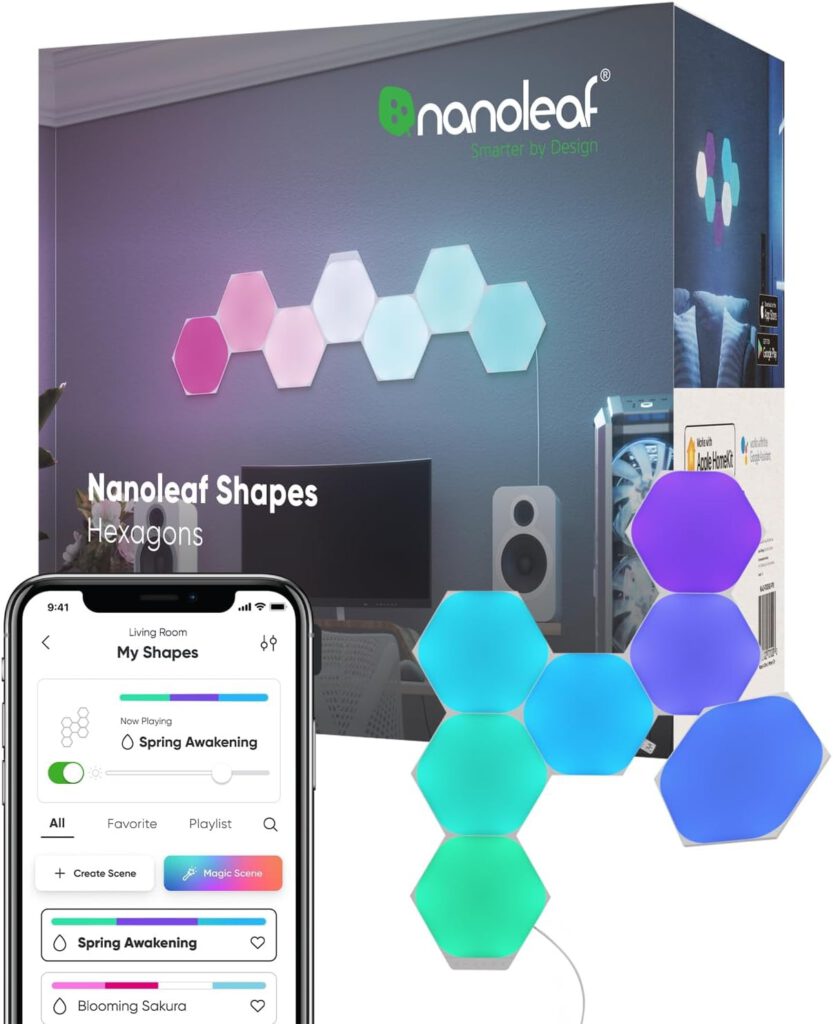
This wellness-focused technology adjusts light color and intensity to mimic natural daylight patterns throughout the day.
Circadian lighting enhances wellness by adjusting light color and intensity to mimic natural daylight patterns. Historically, lighting remained static, but now it dynamically shifts from cool, bright tones during the day to warmer hues in the evening, syncing with your body’s internal clock.
Wake up to gentle, blue-tinted light that gradually brightens, signaling your body to reduce melatonin and increase alertness. Wellness experts confirm that aligning artificial light with natural rhythms can significantly boost mood and productivity, especially during long winter months.
8. Ecobee Thermostats
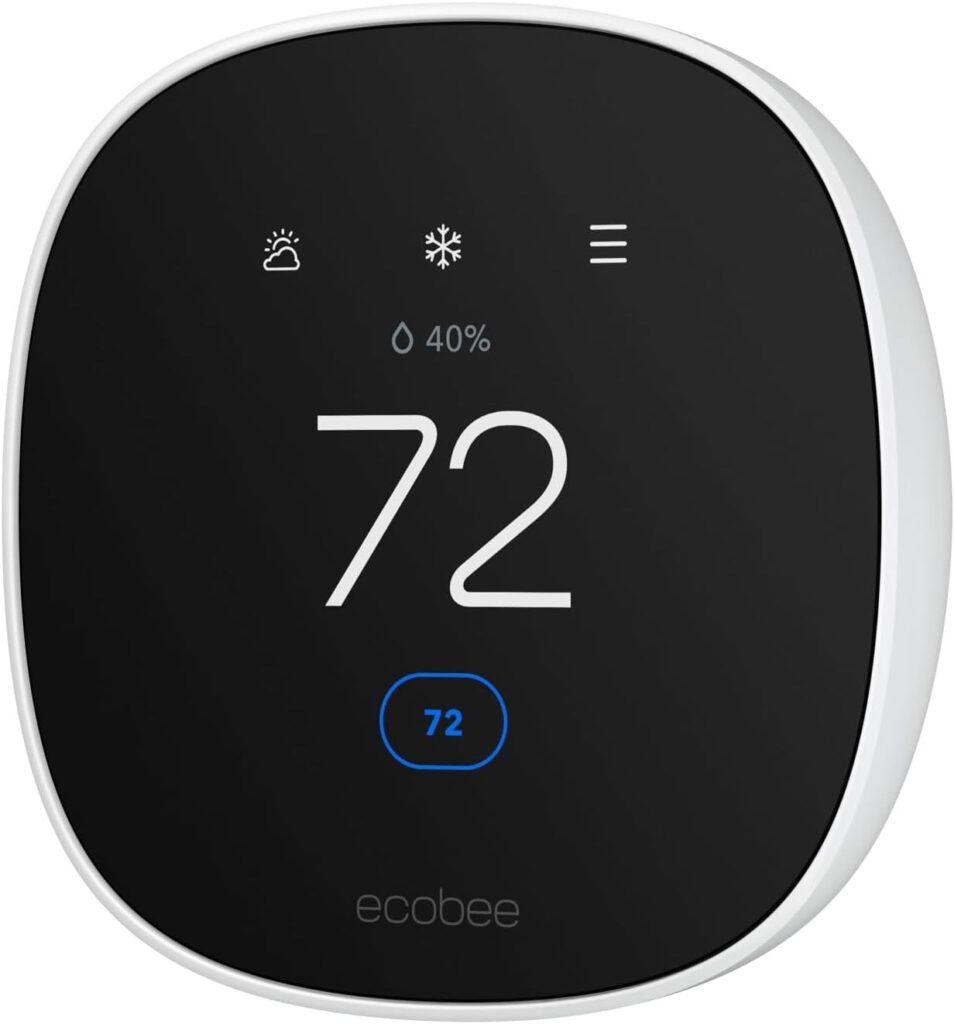
These devices merge climate and security controls into a single hub for streamlined home management.
Ecobee thermostats offer more than just temperature control; they integrate directly with home security systems. You can view security camera feeds right on the thermostat’s screen, checking who’s at the front door without leaving the couch.
Consider adjusting the temperature and locking the doors simultaneously with a single command. It’s like having a personal assistant for your home, coordinating multiple systems to enhance comfort and security as homes become increasingly connected.
7. Energy Management Systems
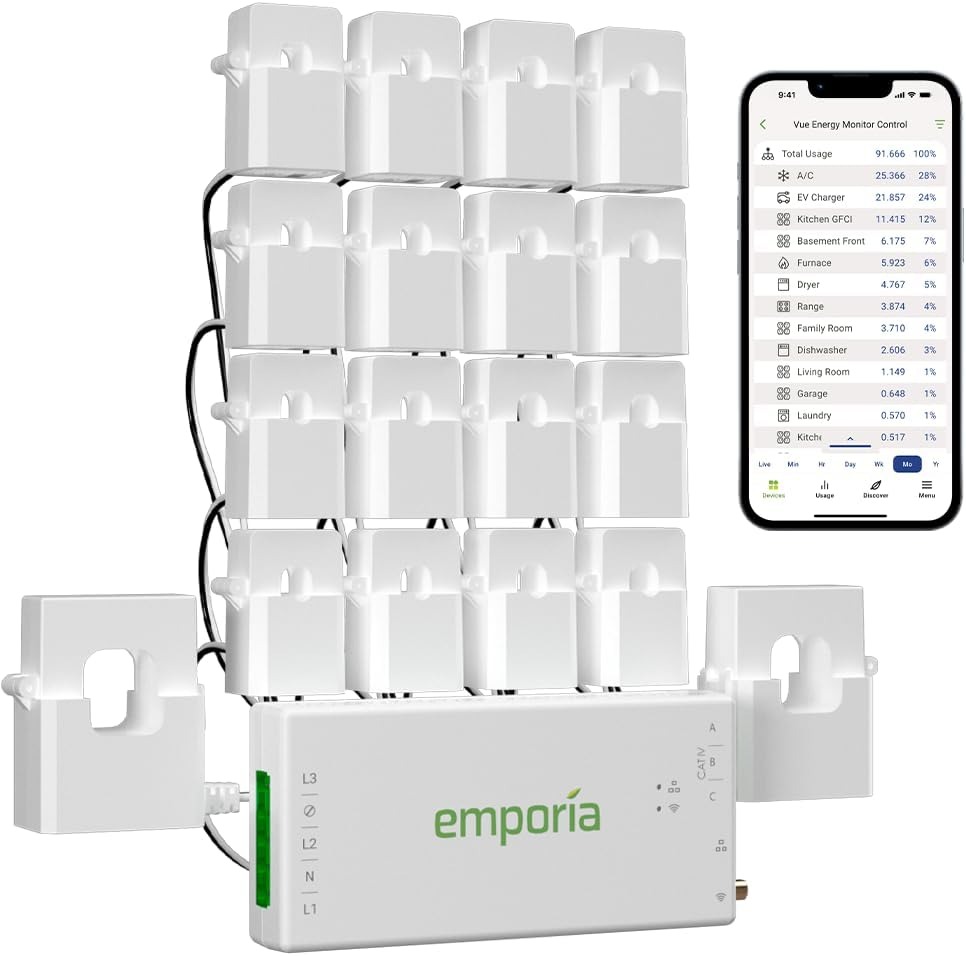
These intelligent systems automatically optimize appliance usage during off-peak hours, saving money and reducing carbon footprints.
Rather than manually adjusting settings, these systems automatically adjust appliance usage during off-peak hours, potentially saving money and reducing your carbon footprint. Picture leaving for work while your system intelligently lowers the thermostat, pauses your EV charger, and shifts your dishwasher cycle to a later time.
These systems also integrate seamlessly with solar panels and home batteries, such as Tesla solar roofs, paving the way for net-zero homes. Homeowners can reduce their reliance on the grid while maximizing renewable energy use.
6. Interconnected IoT Devices
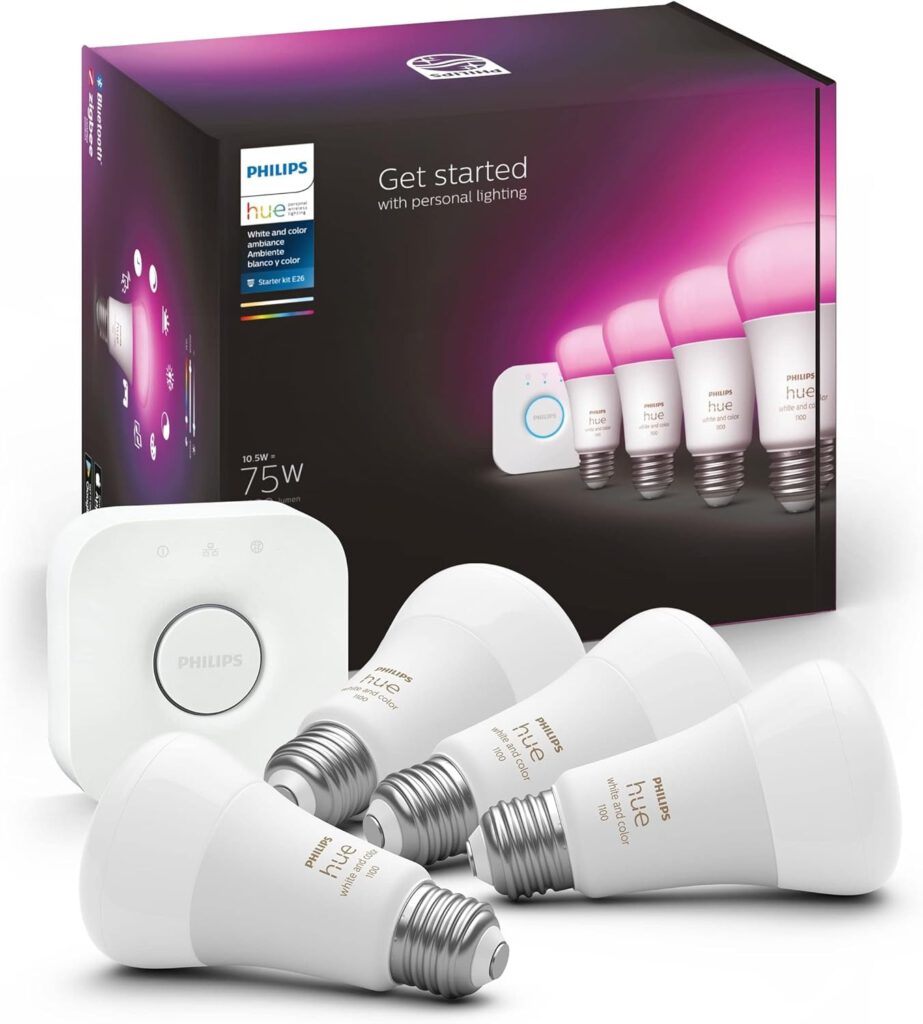
Smart appliances that anticipate your needs, from refrigerators tracking expiration dates to furniture that adapts on command.
Expect your home to anticipate your needs before you even realize them. Interconnected Internet of Things devices extend far beyond basic functions, with smart appliances working together to simplify daily tasks and create adaptive living spaces.
These smart systems create homes that respond to your lifestyle, shifting and adapting as needed. The real question isn’t whether technology can do these things—it’s whether you’re ready to embrace this level of intelligent automation.
5. Matter-compatible Devices
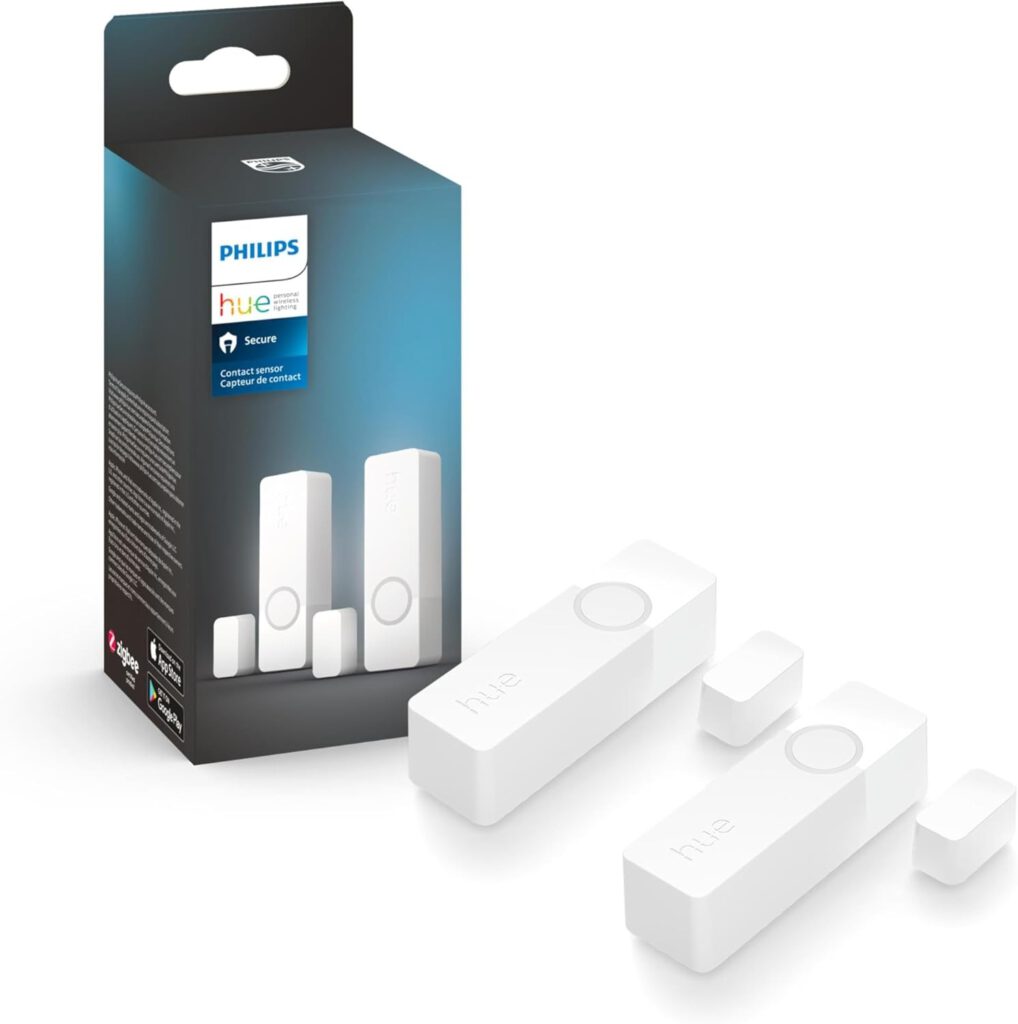
Cross-platform interoperability ensures all your smart devices work together seamlessly, regardless of brand.
Matter-compatible devices promise a cohesive smart home experience using Thread protocol, ensuring cross-platform interoperability. This extends to essential systems like security, lighting, and thermostats such as the Tado X, which features open window detection and geofencing.
Control your home’s temperature, security, and lighting via a single app, regardless of brand. This streamlined integration enhances reliability by reducing dependency on constant internet connectivity, creating a more responsive and user-friendly smart home ecosystem.
4. Smart Home Integration
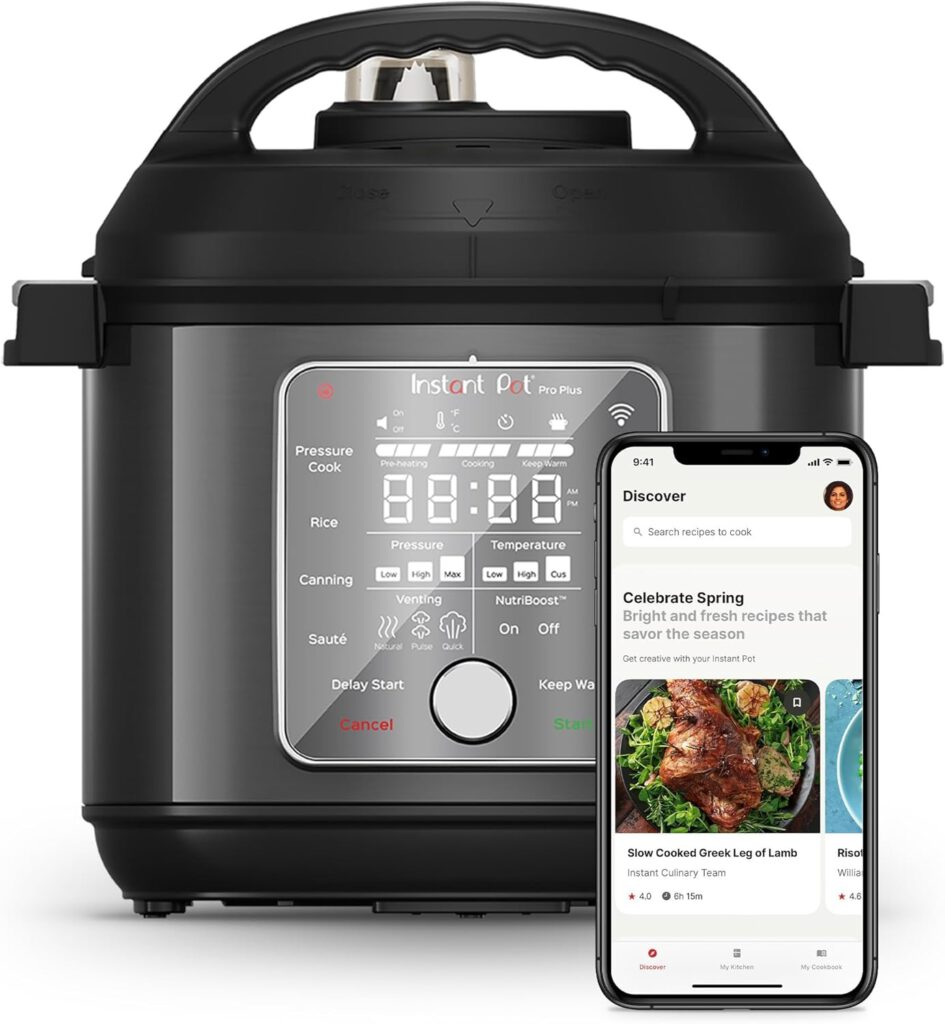
Advanced voice control using Natural Language Processing makes conversational commands the new normal.
Smart home integration now includes advanced voice control using enhanced Natural Language Processing. Consider a typical morning: wake up and casually ask your home system to adjust the thermostat, check security cameras, and start the coffee maker, all while still under the covers.
These interconnected systems extend throughout the house, from kitchen appliances to smart furniture that adapts to your needs. Instead of juggling multiple apps, centralized control systems create seamless home management experiences.
3. Smart Water Leak Detection
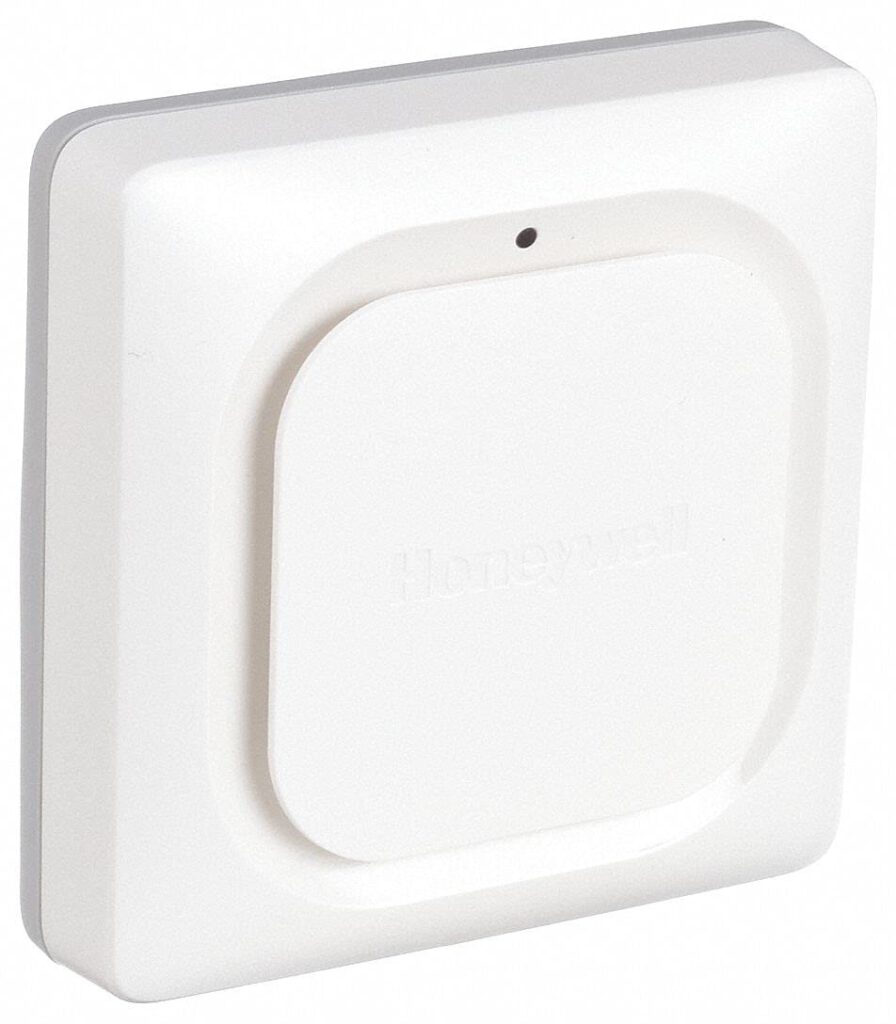
Early detection systems prevent costly repairs and potential health hazards by alerting you instantly when leaks occur.
Smart water leak detection prevents undetected leaks that lead to mold growth and structural damage. Receive an alert on your phone the instant a leak occurs, preventing costly repairs and potential health hazards before they escalate.
For families prioritizing health, these systems are essential, spotting issues early and ensuring safer living environments. This trend emphasizes preventative care, reflecting a shift toward healthier homes and improved well-being.
2. Tado X with Open Window Detection and Geofencing
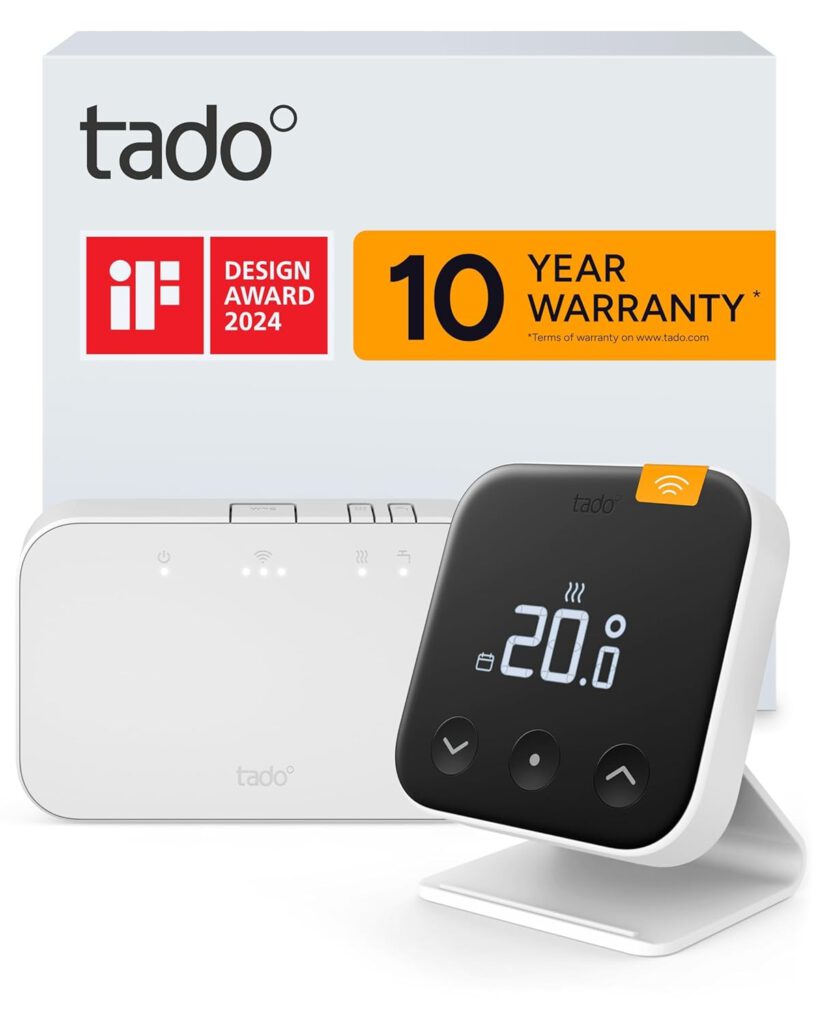
Matter-compatible heating control that works locally without constant cloud dependency, featuring smart energy-saving automation.
Tired of smart devices needing constant internet access? Tado X leverages Matter to improve reliability by allowing devices to communicate locally, without cloud dependency. Adjust your thermostat even when the Wi-Fi is down—a game-changer for consistent performance.
Open Window Detection and Geofencing automate heating adjustments. Leave home and forget to turn down the heat? Tado X automatically lowers the temperature to save energy, working seamlessly with other Matter-compatible devices.
1. Tesla Solar Roofs

Integrated solar generation that optimizes appliance usage during off-peak hours while enabling energy independence.
Tesla‘s solar roofs integrate with home energy management systems to optimize appliance usage during off-peak hours. Automatically run your dishwasher or charge your EV when energy costs are lowest, reducing your overall bill significantly.
This integration facilitates net-zero homes by allowing homeowners to store excess energy in home batteries. Power your house from solar during the day, use stored energy at night, and sell excess back to the grid—sustainable, energy-independent living, one roof at a time.