A 33% positive rating on Steam tells you everything about where College Football 27 landed with players. The football itself? Reportedly excellent. The problem is what EA built around it — a $70 game where offline progression convenience now costs extra, like being charged a cover to enter your own living room. If you want context on how controversial video games can get, this is far from the first time the industry has sparked outrage.
The XP Slider Vanishing Act
EA quietly replaced free progression tools with paid shortcuts in its offline modes.
Previous College Football titles offered “fast” and “faster” XP sliders in Dynasty and Road to Glory — offline modes where players compete against the CPU. According to BroBible, College Football 27 strips that flexibility and replaces it with College Football Points, a premium currency that speeds up progression. XP earnings reportedly increased, but so did the thresholds required to level up. The treadmill got longer. The shortcut got a price tag.
Here’s what hit hardest, fast:
- Steam user reviews sit at roughly 33% positive — “Mostly Negative” — shortly after launch
- The game retails at $70 before any additional spending
- Dynasty and Road to Glory, both offline modes, are the affected experiences
- Free XP sliders from previous entries were reportedly replaced by paid progression shortcuts
- Multiple creators and commentators allege microtransactions were absent from preview builds provided before launch
That last point deserves its own sentence.
The microtransactions reportedly weren’t visible until paying customers booted up the retail version — meaning early access reviewers couldn’t flag the issue, according to BroBible and several community commentators. EA has not issued a public statement addressing the omission — a pattern all too familiar among tech scandals that take advantage of consumers. Players organized quickly around #cfbplaydontpay, the gaming equivalent of a one-star Yelp review going viral before the restaurant can update its menu.
Good Football, Bad Business
Critics praise the on-field experience even as players torch the monetization layer.
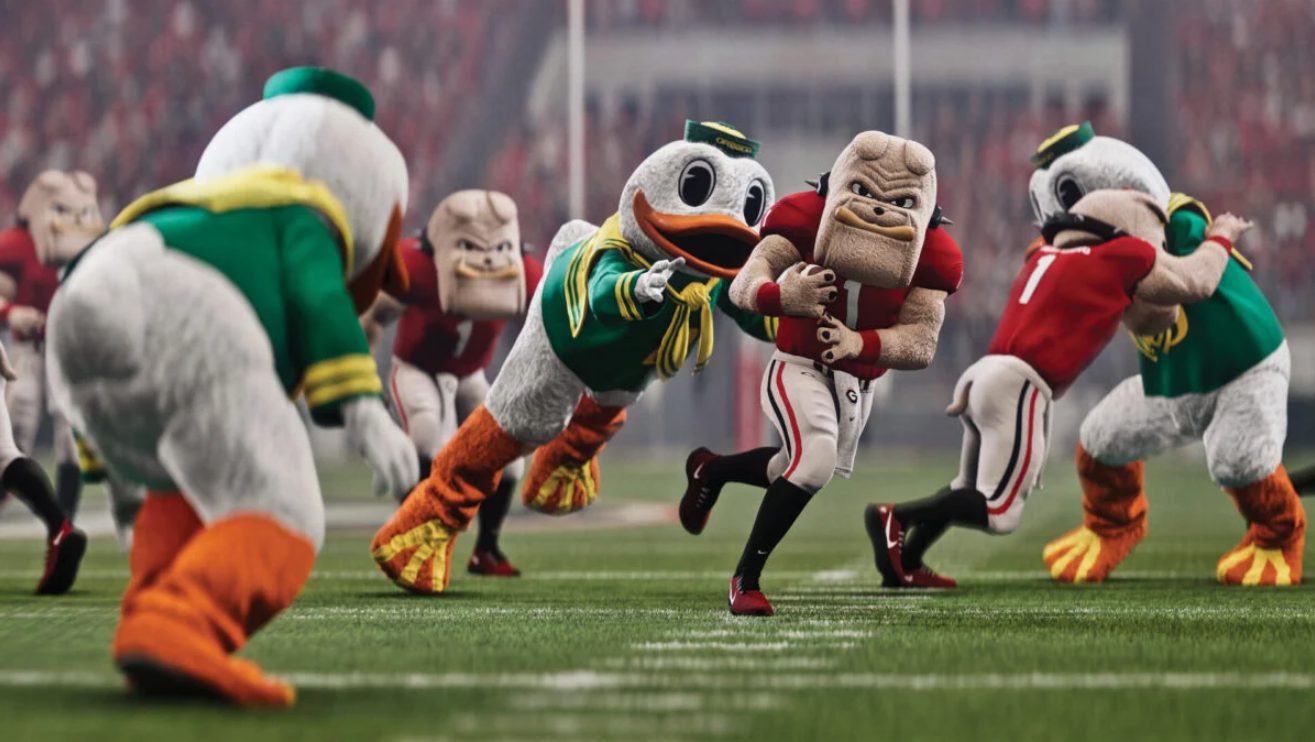
Both IGN and Forbes acknowledge that College Football 27’s actual gameplay represents a genuine step forward for the franchise. The on-field mechanics feel tighter. The presentation hits. That’s what makes this sting. EA delivered a strong football game, then treated offline save files like a freemium mobile app — charging players to skip the grind in a title purchased at full price.
The disconnect between critic reception and that Steam score isn’t confusion. It’s precision. Players aren’t saying the game plays badly. They’re saying the business model insults their intelligence — and they’re paying too much for a feature that used to be free.
Whether 33% on Steam actually moves EA’s needle remains the real question. History suggests the quarterly earnings call matters more than any user review. But #cfbplaydontpay signals something different this time — players aren’t just accepting the receipt.