Photography gear can be a bit like dating—sometimes you swipe right on a gadget that turns out to be more catfish than camera. According to gearheads, the endless quest for the perfect setup is a lifestyle, and the perfect kit is the one you already own. You might think a new lens will solve all your artistic woes, but sometimes it just adds weight to your bag and subtracts from your bank account. This listicle cuts through the noise to spotlight items that actually make a difference, and spare you from buyer’s remorse.
This content may contain affiliate links. If you wish to support us and use these links to buy something, we may earn a commission.
14. Shimoda Action X50
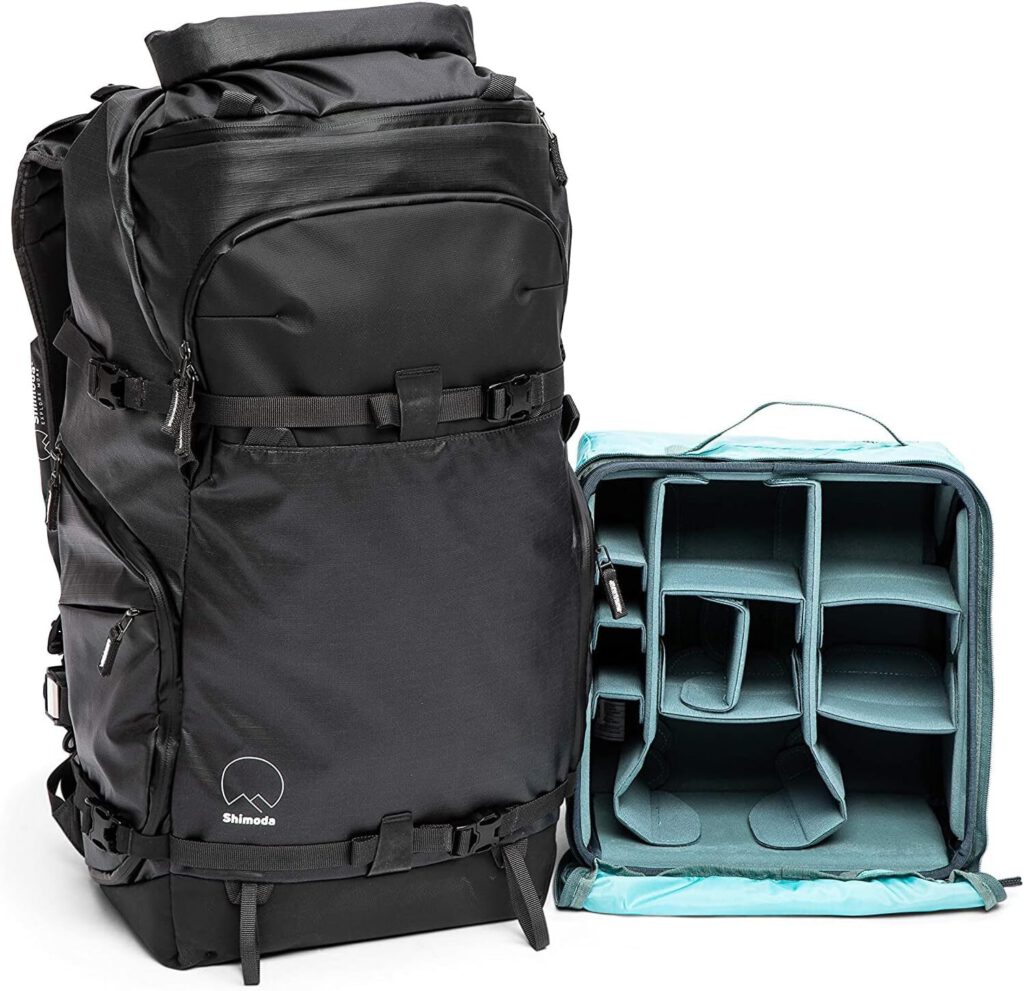
Built for landscape photographers who refuse to compromise on gear protection or comfort.
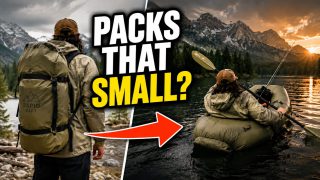
You know that sinking feeling when rain threatens your expensive camera? This 50L (3051 cubic inches) backpack exists to banish that dread. Designed for landscape photographers, it shrugs off weather and hauls 2-3 camera bodies and 6-8 lenses without breaking a sweat. If your weekend plans involve scaling a mountain, you’ll find this pack’s comfortable harness is a welcome relief.
Consider that solo trek to Yosemite. Forget jamming gear into that old college backpack; the Action X50 swallows it all. The customizable dividers mean your lenses won’t be playing bumper cars. Sure, at that capacity, it isn’t the lightest option for everyday use, but think of it as built-in exercise.
13. PGY Tech OneGo Light 22L
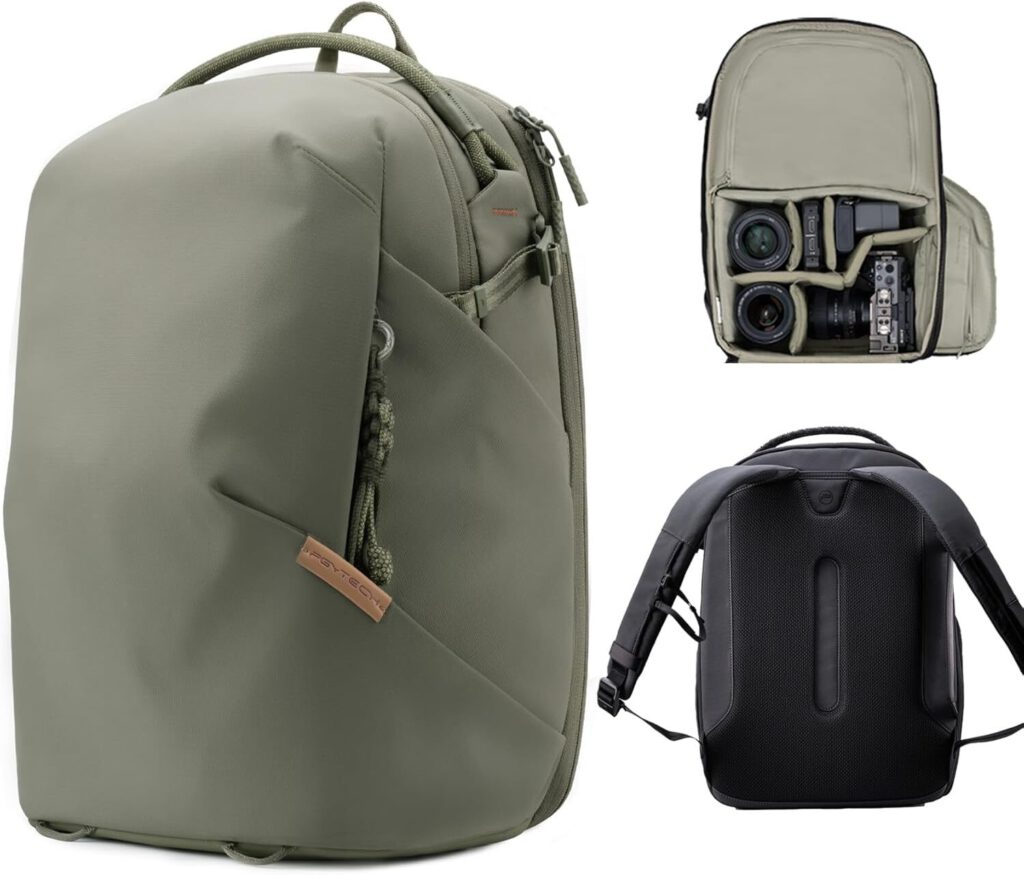
Security features and smart organization meet everyday carry convenience.
The PGY Tech OneGo Light 22L (1342 cubic inches) everyday backpack might be your new best friend. Security matters, and these lockable zippers are a bigger deterrent than airport security theater. Throw in an AirTag pocket, and you’ve got better tracking than your ex on social media.
Weighing just 2.2 lbs empty, you can load this thing with a camera insert, holding one or two bodies, plus lenses—without needing a chiropractor. Side access means no digging through the abyss, and shoulder strap attachments will clip on anything. Think of it as your mullet—business on the bottom, party up top.
12. PGY Tech Beetle Camera Clip
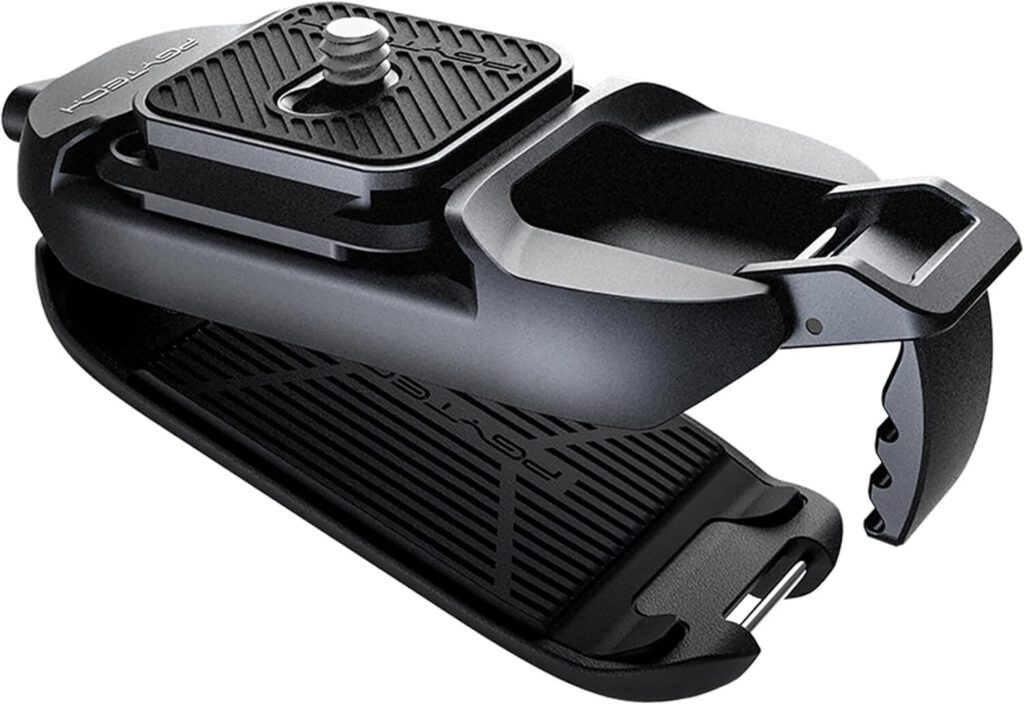
Arca-Swiss compatibility meets secure quick-release mounting for serious loads.
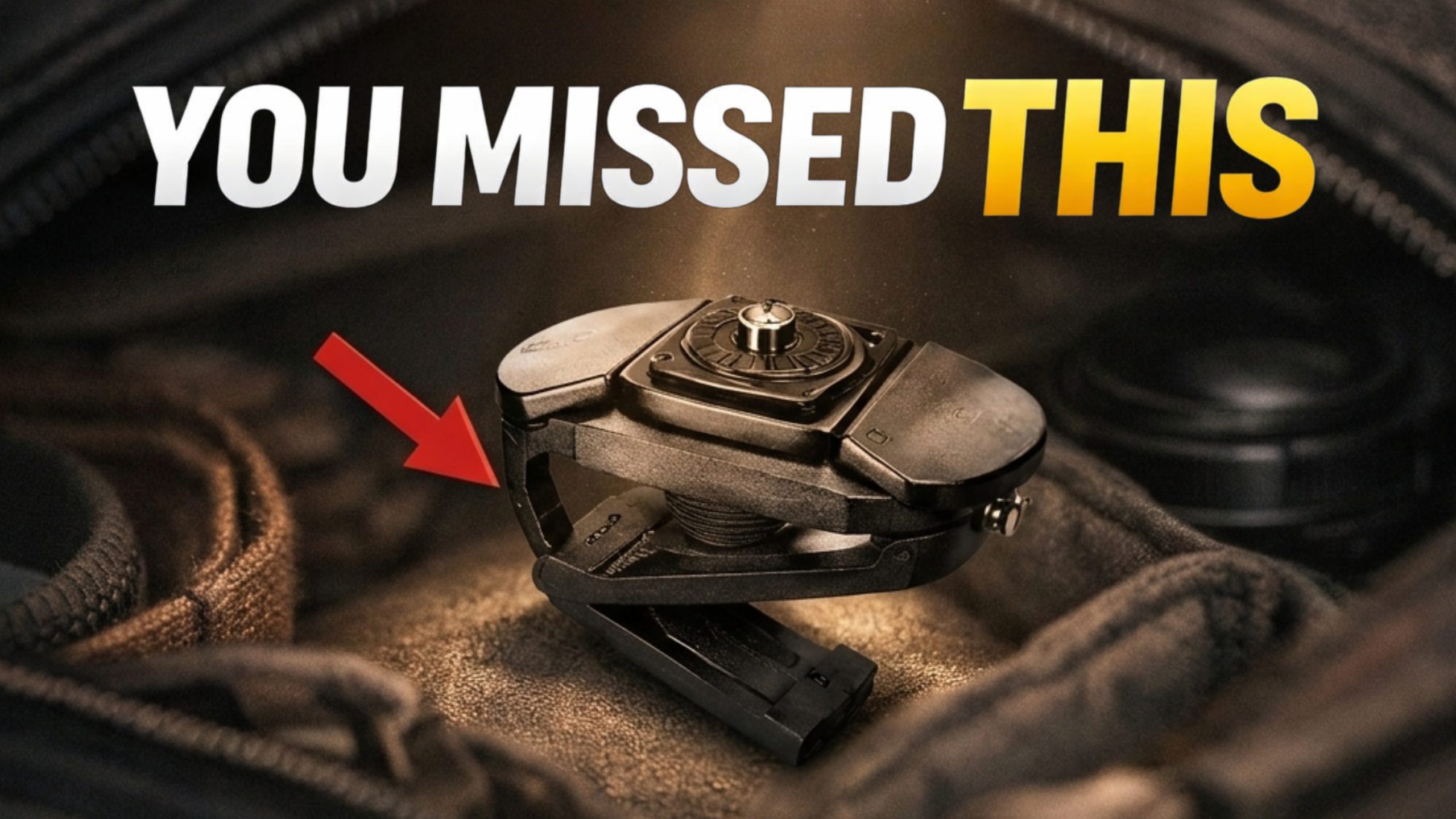
Some folks attach cameras to backpacks with glorified rubber bands, but that’s about as secure as a politician’s promise. The V2 version of the PGY Tech Beetle camera clip is Arca-Swiss compatible and rated to hold up to 10kg (22 lbs), all while keeping from digging into your shoulder.
Peak Design strap users, beware: compatibility exists but fastening can be tricky. Picture yourself scaling Everest (or just a particularly steep Starbucks line)—the Beetle ensures your camera is always ready. Fast draw meets reliable security in one surprisingly compact package.
11. Clever Supply Sling Bag
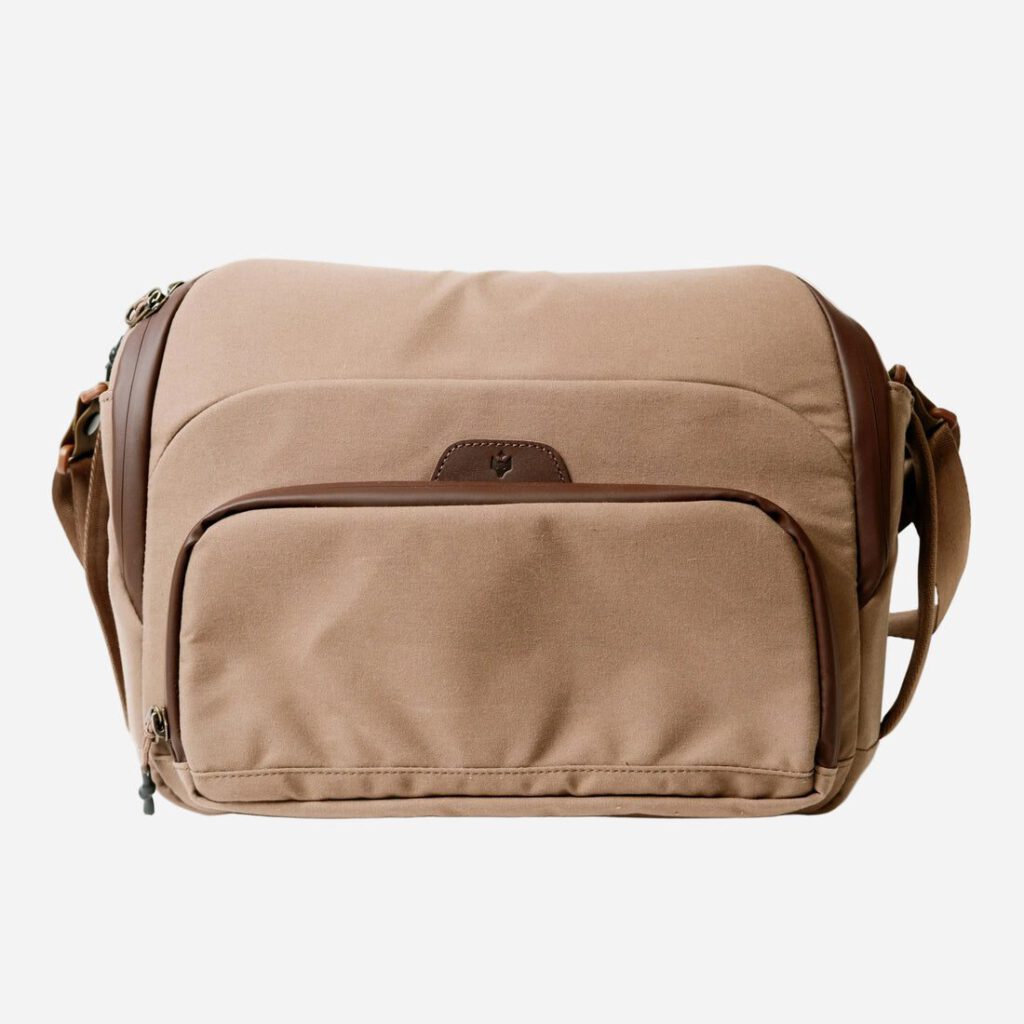
Minimalist urban photography made stylish and accessible.
The Clever Supply Sling Bag cleverly pivots from those bulky tourist camera bags. Ditch the backpack because this minimalist sling holds a mirrorless camera and 1-2 lenses, perfect for urban ambles. It’s more compact than your grandpa’s old camera case—ideal for navigating crowded city streets without screaming “expensive gear inside!”
The bag offers quick side access, so you won’t miss that fleeting street art moment. Cross-body wear keeps it secure and comfy, unlike that messenger bag that keeps sliding off your shoulder. Just remember: it skips a water bottle pocket, so BYOB (bring your own beverage).
10. VKO Rope Camera Straps
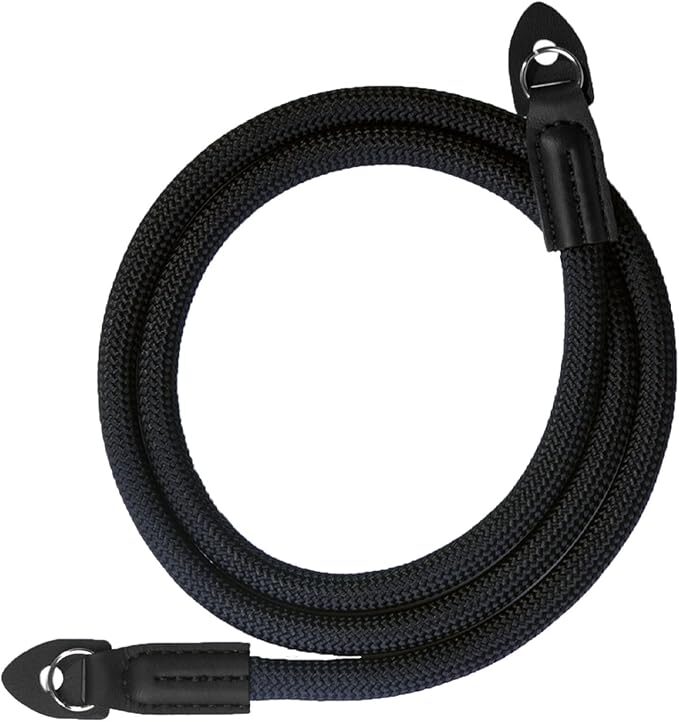
Affordable comfort upgrade that transforms your carrying experience.
Forgetting a camera strap is like going to a rave in Crocs: doable, but you’ll regret it. These affordable paracord-style rope straps from VKO, around £13 each, are a soft, comfortable alternative to the nylon webbing straps that come standard. Think of them as the cashmere sweater of camera accessories.
Available in multiple colors and measuring a standard 55-inch length, these straps offer a simple style upgrade. Anyone who’s snagged their factory strap on a branch during a hike knows these straps are a massive upgrade when the camera becomes a burden.
9. Benro Tortoise 35C Tripod
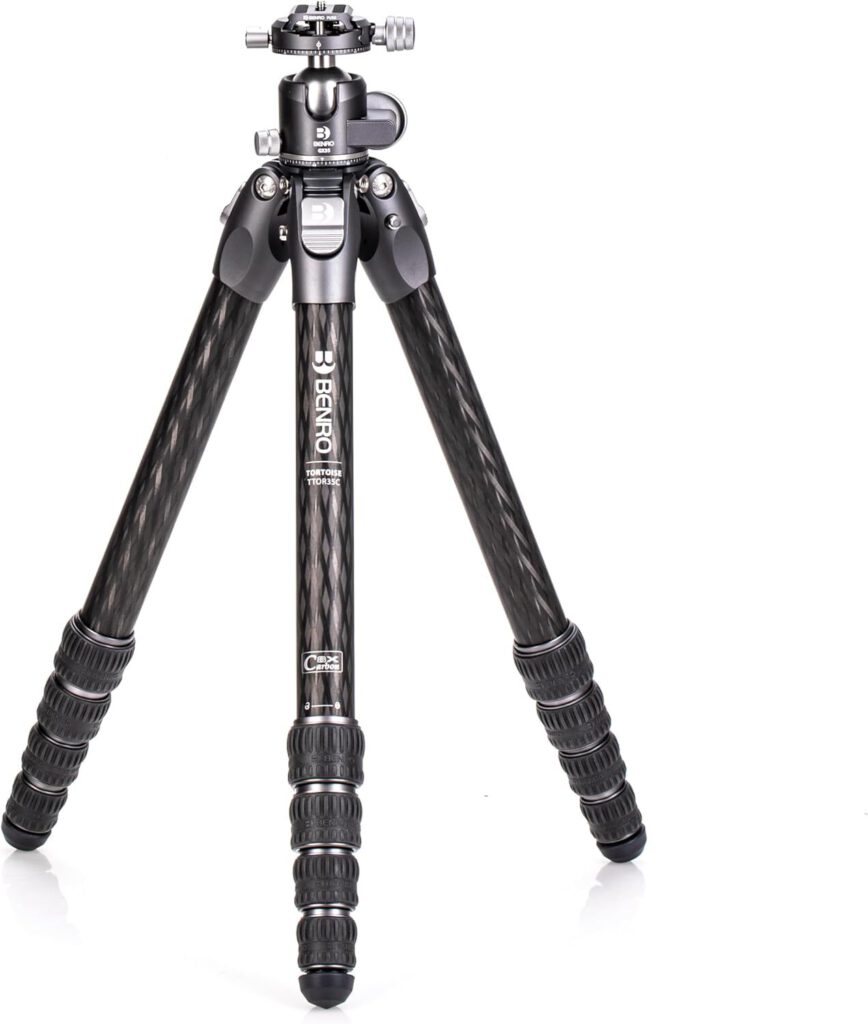
Carbon fiber travel design that doesn’t sacrifice stability for portability.
Looking for a tripod that doesn’t make you feel like you’re lugging around a medieval torture device? The Benro Tortoise 35C carbon fiber travel tripod might be your savior. Boasting 35mm leg diameter, it offers stability comparable to larger, clunkier tripods without the chiropractor bills.
It handily supports up to 22.5 lbs (10.2 kg), meaning even your heaviest gear won’t cause it to buckle. This tripod folds down to 15.7 inches (39.9 cm), making it compact enough to stash in your camera bag. At just 3.2 lbs (1.45 kg), you might actually bring it on shoots.
8. Pocket Go Magnet Mount
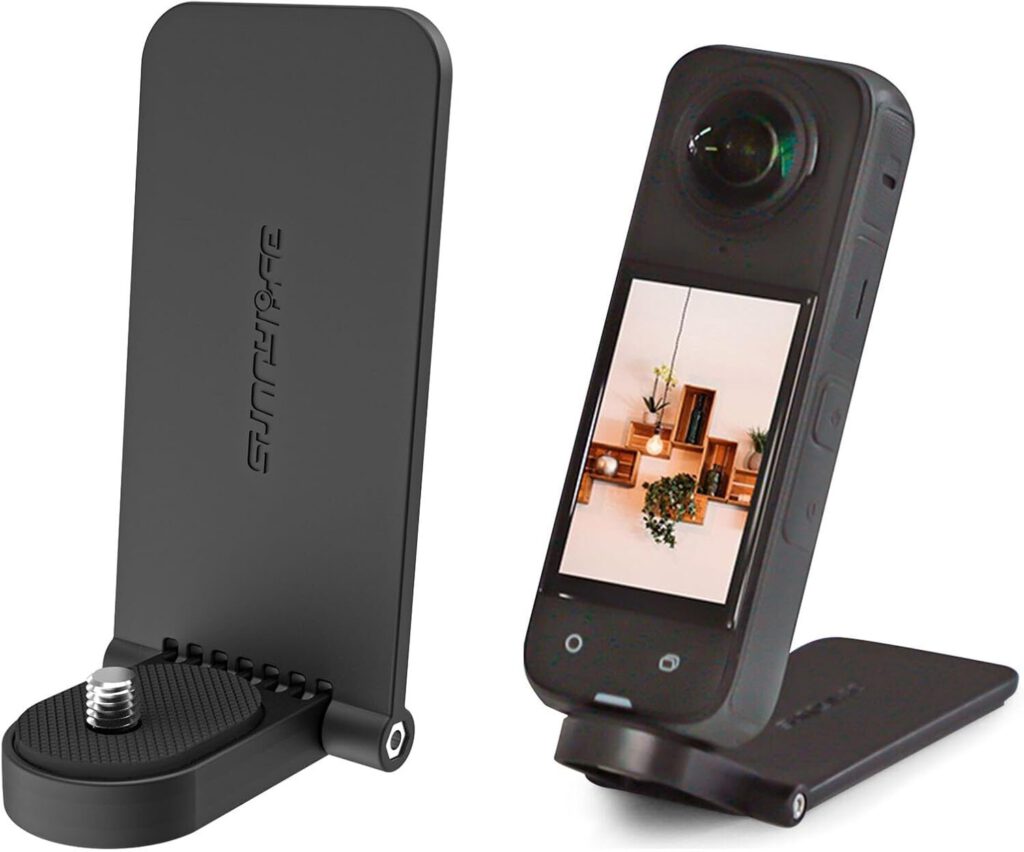
Creative mounting solutions for guerrilla filmmakers and urban shooters.
The Pocket Go magnet mount slaps conventional shooting wisdom in the face. Forget lugging a whole cinema kit around just to film a TikTok. This mount lets you attach your Pocket 3/2 to any metal surface—think street poles or fences—freeing your hands to properly gesticulate while you narrate your main character moment.
Anyone who’s tried shooting guerrilla-style in a city knows the struggle: janky tripods, shaky hands, or begging strangers to hold your gear. This compact mount offers creative mounting and hands-free filming with a whole lot less stress.
7. Ifootage Monopod with Base
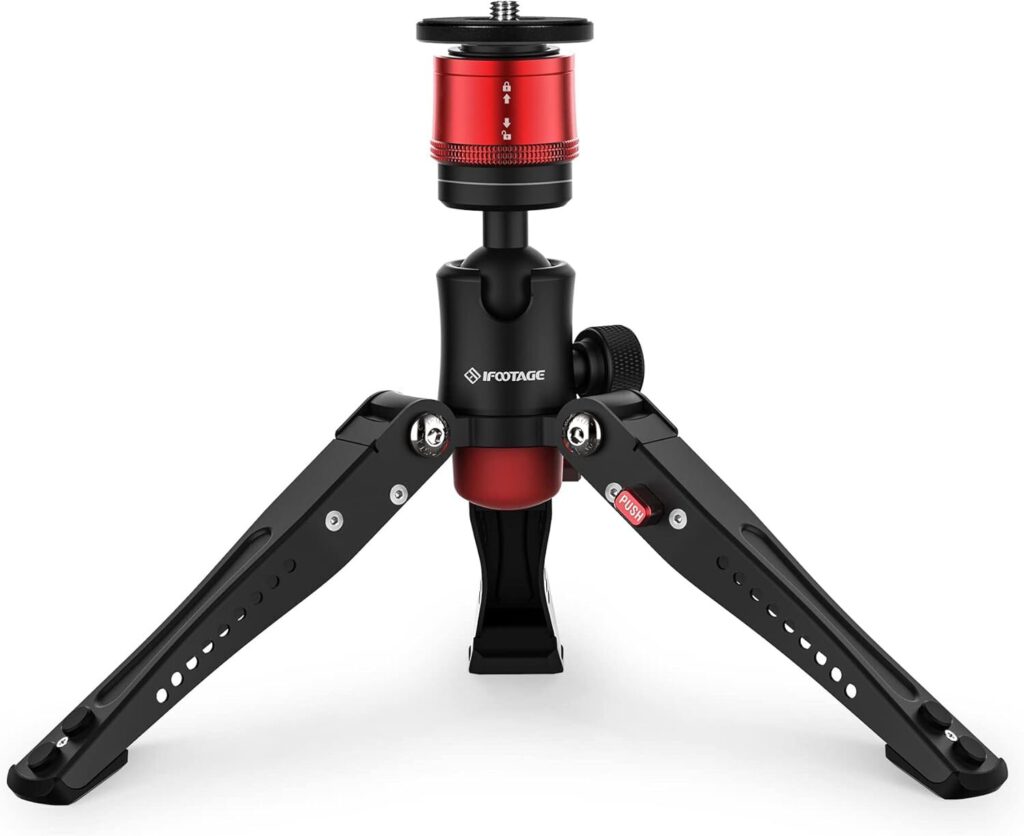
Space-saving stability that bridges the gap between handheld and full tripod support.
Enter the Ifootage monopod, a space-saving tripod alternative that extends to 65 inches (165 cm), yet folds down to a compact 20 inches (50 cm). Its large splay-out base ensures that your shots stay steady, even when you’re precariously balanced on a cliff edge trying to capture that perfect sunset.
This kit handles up to 17.6 lbs, so go ahead and mount that fancy camera and lens combo. For city dwellers, it’s a godsend—the monopod slides into a corner like a ninja instead of taking over your entire apartment.
6. Canon Selphy Printer
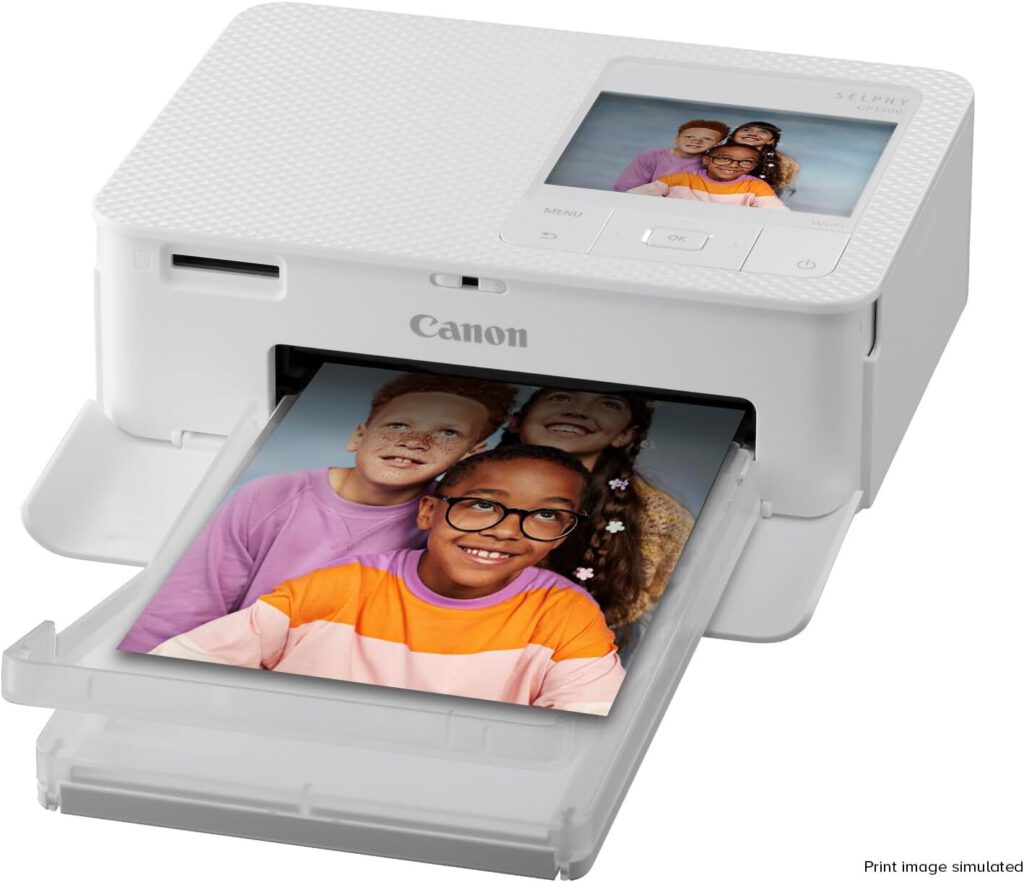
Instant gratification meets professional quality in a portable package.
The Canon Selphy is like modern photo albums, minus the sticky corners and questionable hairstyles. It cranks out 4×6-inch prints faster than your grandma can pinch your cheeks—about 47 seconds flat. Thanks to dye-sub tech, it even offers a borderless option to really show off.
Connecting this puppy via Wi-Fi or Bluetooth is simpler than explaining TikTok to your parents. Load up the separate ink and paper cartridges (not included), find your favorite vacation pic, and bam—instant memory made real. Forget sending files to Walgreens.
5. Leatherman Multi-Tool
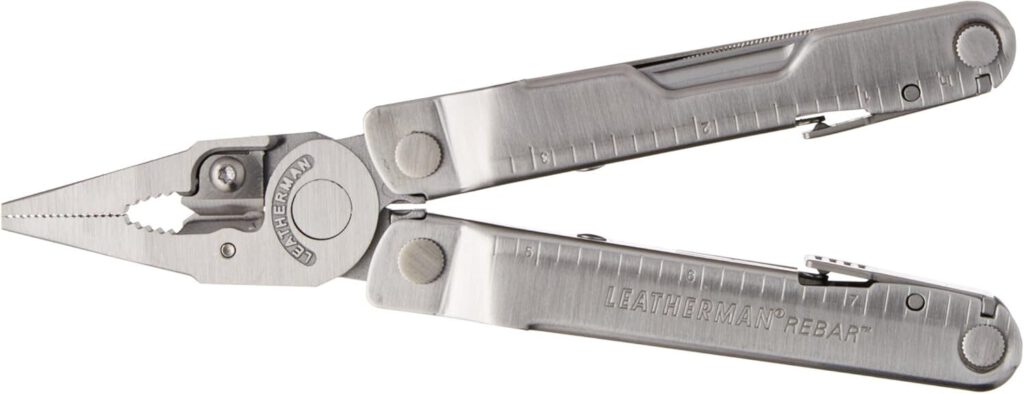
Professional-grade durability with lifetime warranty backup.
Few things inspire confidence like a well-used Leatherman; this pocket-sized wonder boasts stainless steel construction with pliers, multiple screwdrivers, a file, and a knife. It’s the Swiss Army knife’s adult cousin, minus the corkscrew and questionable toothpick. With its lifetime warranty, you could probably pass it down to your grandkids.
Anyone who’s ever had to MacGyver a camera setup knows the value of having the right tool at the right time. Picture this: miles from civilization, trying to capture that epic shot, when a screw comes loose. With the Leatherman, you’re not just a photographer; you’re an engineer.
4. SmallRig Multi-Tool
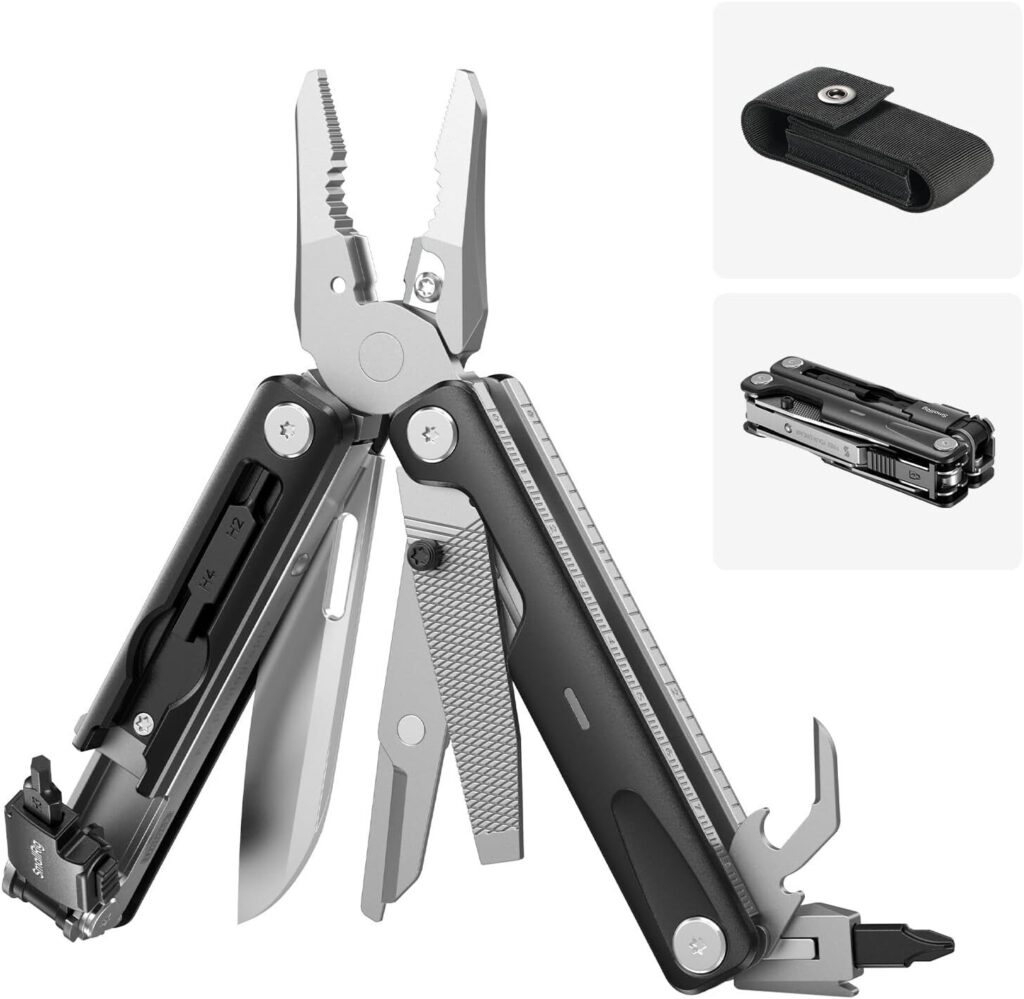
TSA-friendly camera maintenance for the traveling photographer.
A Leatherman won’t make it past airport security, so if you need to tighten a tripod plate on the fly, consider SmallRig’s multi-tool. For camera rigging, this gizmo packs hex keys from 2-6mm, along with screwdrivers and even a bottle opener.
The aluminum build fits in travel pouches, so you won’t be tearing apart your Pelican case at airport security. Think of it as a Swiss Army knife for your camera, ideal for those spontaneous roadside documentary shoots.
3. Anker Power Bank
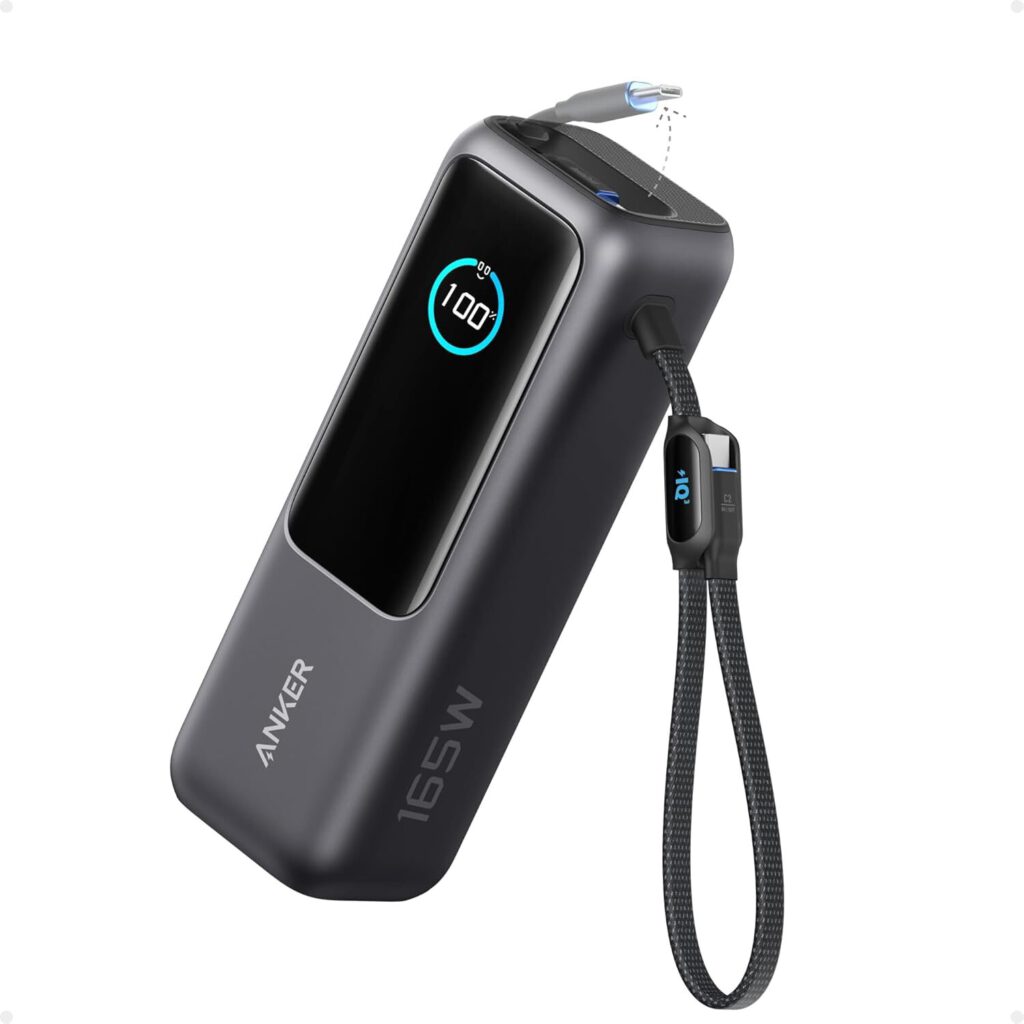
Essential backup power with multiple device compatibility and fast charging.
Anyone who’s ever watched their camera battery flatline knows that sinking feeling. With an Anker power bank, running out of juice is as avoidable as a bad TikTok dance trend. High-capacity portable charger, multiple USB ports including PD fast charging, camera batteries, phone, safety features like overcharge protection.
Anker’s offerings, particularly the 20,000mAh models, deliver reliable fieldwork backup. Think of them as a trusty Swiss Army knife for your power supply. Chucking one of these in your bag is like bringing an extra lung to a marathon.
2. Mini Drone
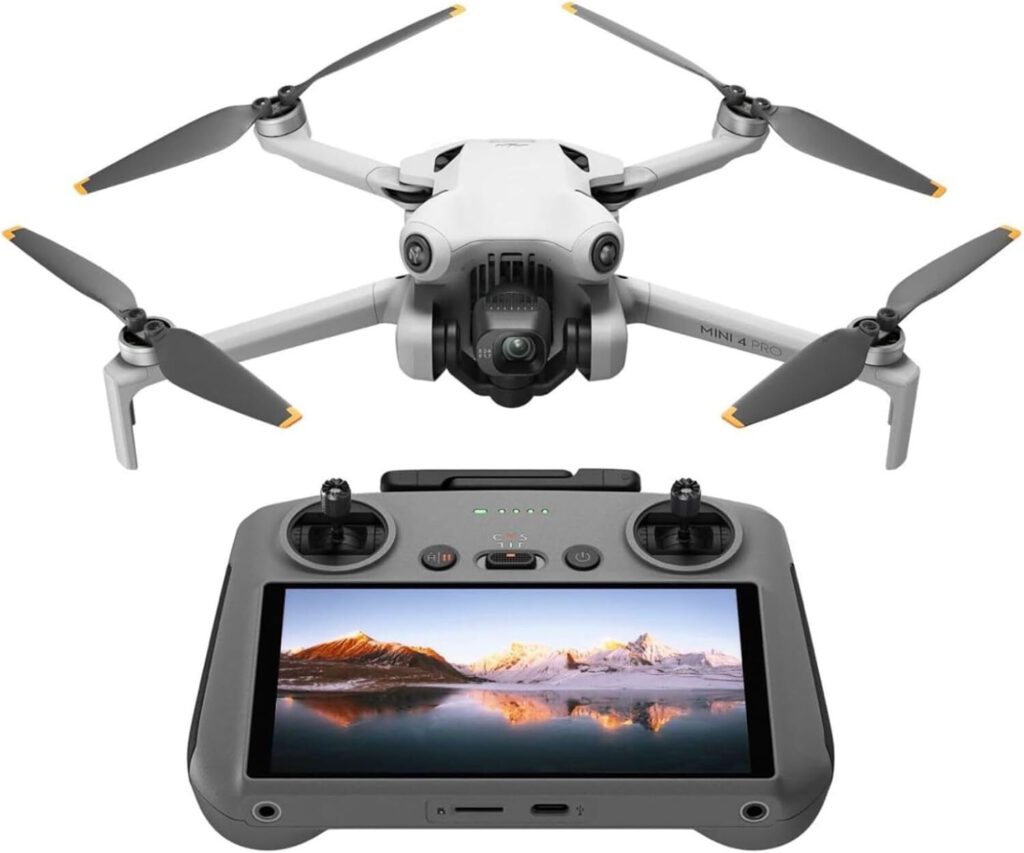
Compact aerial creativity that skips FAA registration requirements.
Weighing under 250g means no FAA registration headaches, and most compact consumer drones sport 4K video, GPS stabilization, and obstacle avoidance. Battery life typically runs 20-30 minutes, which sounds short but proves plenty for most creative projects.
Consider the creative possibilities: filming from angles impossible with traditional cameras, capturing smooth tracking shots, or adding dramatic aerial perspective to your content. Just remember that creative applications work better than using it as a meeting distraction.
1. iPad Pro
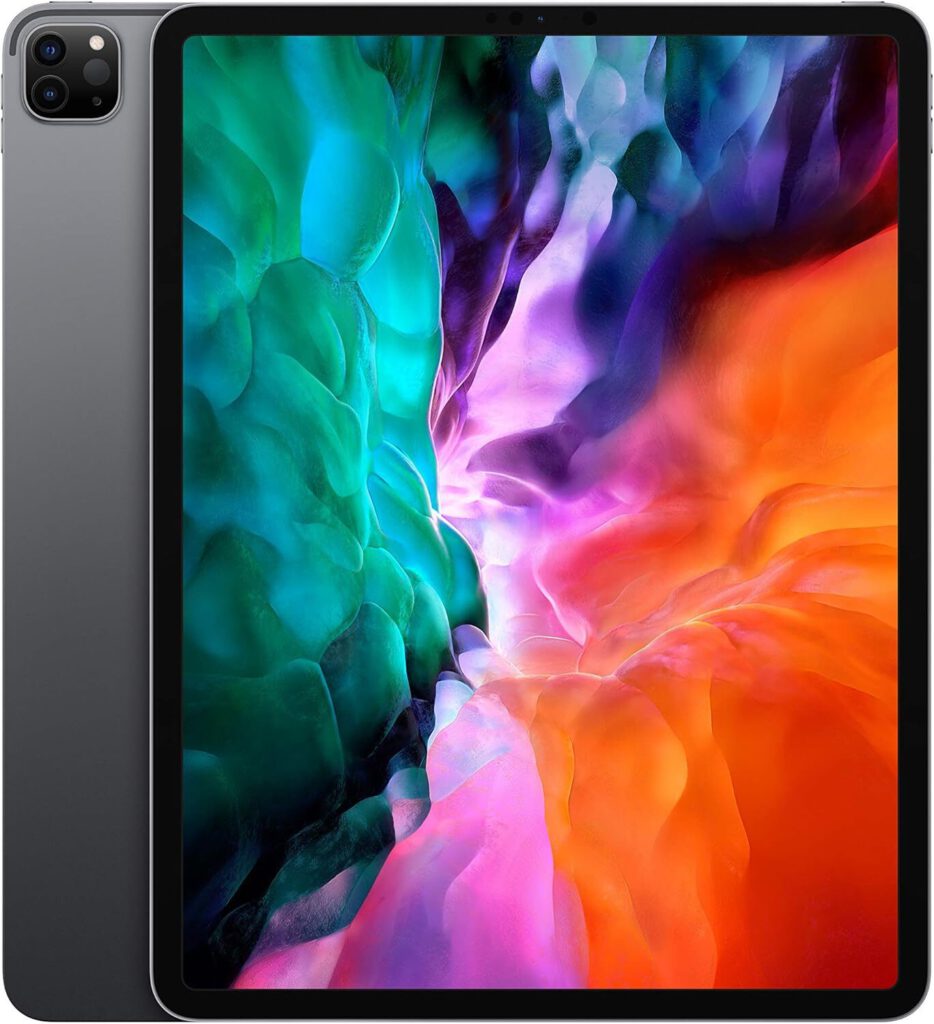
Portable powerhouse for on-the-go editing with professional app support.
At 1.5 lbs, the 11-inch or 13-inch Liquid Retina XDR display on the iPad Pro feels like holding a glossy magazine—until you fire up Lightroom. Thanks to M-series chips and up to 2TB storage, editing shots from that weekend in Joshua Tree feels pretty slick.
The Apple Pencil support excels for tweaking skies and dodging power lines; the Magic Keyboard even makes emails less of a thumb-typing marathon. Just remember: juggling 61MP Sony A7R V files can feel like asking a chihuahua to herd cattle. This tablet shines for quick edits and organization, but serious batch processing still calls for desktop power.