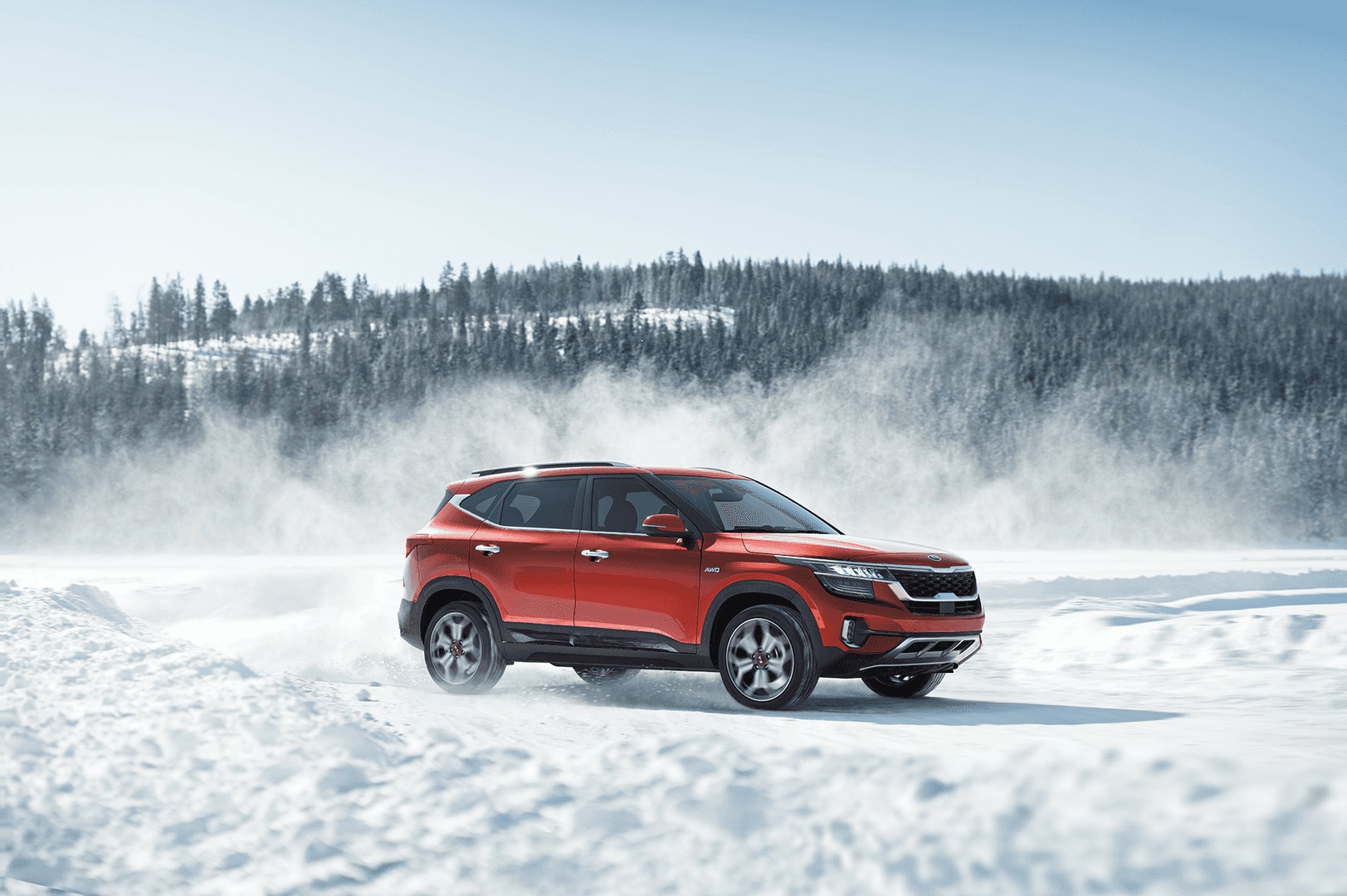
Winter driving anxiety hits different when your car loses nearly half its range the moment temperatures plummet. AAA’s dynamometer tests revealed the brutal truth: electric vehicles lose an average of 41% of their range at 20°F with heating running—turning that confident 250-mile EPA estimate into a nerve-wracking 148 miles of actual driving. Your weekend ski trip just became a charging logistics nightmare.
The Numbers Don’t Lie About Cold Weather Performance
Recent testing reveals dramatic variations in winter EV performance across popular models.
Canadian testing by CAA painted an even more detailed picture across 14 popular EVs. The results varied dramatically, from the Polestar 2’s impressive 14% range loss to the Volvo XC40 Recharge hemorrhaging 39% of its capacity in temperatures between -7°C to -15°C (19°F to 5°F). Tesla’s Model 3, often praised for efficiency, still dropped 30% of its range in CAA’s testing.
Meanwhile, gas cars lose roughly 15% efficiency in similar conditions—but you can refill a tank in five minutes, not 45. The culprit isn’t just sluggish battery chemistry. Your heating system becomes an energy vampire, drawing 5-10 kilowatts continuously to keep the cabin warm. That’s equivalent to running 50 bright LED bulbs nonstop while driving.
Charging Becomes Its Own Winter Sport
Cold temperatures slow charging speeds dramatically, creating additional range anxiety.
Cold weather compounds problems beyond just driving range. DC fast charging speeds crawl when batteries are frigid—CAA found Tesla’s Superchargers could add 127 miles in 15 minutes, while other EVs managed as little as 11.8 miles in the same timeframe. Public charging stations occasionally freeze, leaving you stranded like a contestant on a very expensive reality show nobody wants to win.
Recurrent Auto’s analysis offers some perspective: most EVs retain about 70% of their range at 20°F, improving to 78% at 32°F. The key is setting realistic expectations for winter ownership rather than discovering these limitations during your first February road trip. Cold-climate EV ownership requires planning that would make a NASA mission controller proud—but for many drivers, the trade-offs still beat gas station visits and oil changes.