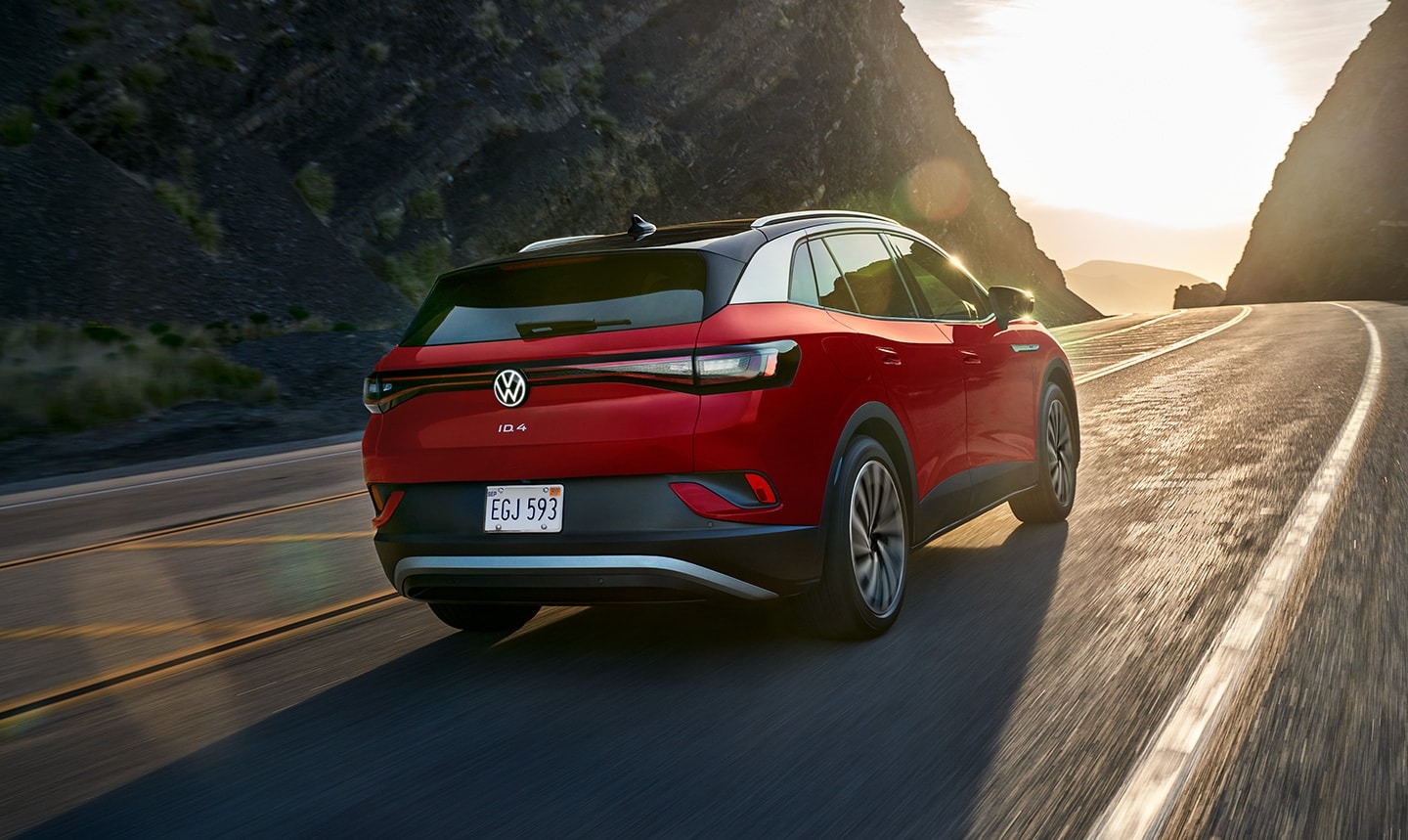
A teen driver taps the pedal expecting gentle movement and gets launched forward like they’re on a drag strip. New drivers face triple the crash risk behind EV wheels, according to safety data—and instant torque is the culprit.
Electric motors deliver their full power from zero RPM, unlike gas engines that build power gradually. For inexperienced drivers used to the predictable lag of traditional acceleration, this instant torque creates a dangerous learning curve that’s catching families off guard nationwide.
The Numbers Paint a Grim Picture
The statistics don’t lie. New EV owners cause crashes at three times the rate of experienced drivers, with 33% of EV accidents involving cyclists and pedestrians—1.5 times higher than gas vehicles. The Insurance Institute for Highway Safety found EVs have 50% higher vehicle damage risk despite being safer for occupants overall.
Claims analytics show at-fault incidents rose 4% compared to traditional cars in recent studies, linked directly to drivers misjudging acceleration dynamics. As one NHTSA official noted, “Powerful EVs demand more attention than some drivers are used to.”
Silent but Deadly on City Streets
The quiet operation that makes EVs environmentally friendly creates unexpected urban dangers. EVs are 37% more likely to strike pedestrians without low-speed warning sounds—a risk that prompted federal mandates for noisemakers on newer models expected to save 2,400 lives annually.
Children face particular danger since they rely on audio cues to detect approaching vehicles. Recent incidents underscore these risks, including crashes in California and Texas where speed overwhelmed driver control, highlighting how instant acceleration can turn minor mistakes into major tragedies.
What This Means for Your Family
NHTSA investigations into Tesla “unintended acceleration” claims found no mechanical faults—just driver confusion when pedal mistakes meet instant power delivery. Young drivers now face premium increases reflecting insurers’ recognition that these vehicles amplify human error.
Before handing keys to your teenager, consider that regenerative braking and silent operation create a fundamentally different driving experience than the family sedan they learned on. The green revolution shouldn’t come with hidden crash risks for families weighing safety against environmental benefits when considering electric vehicles.