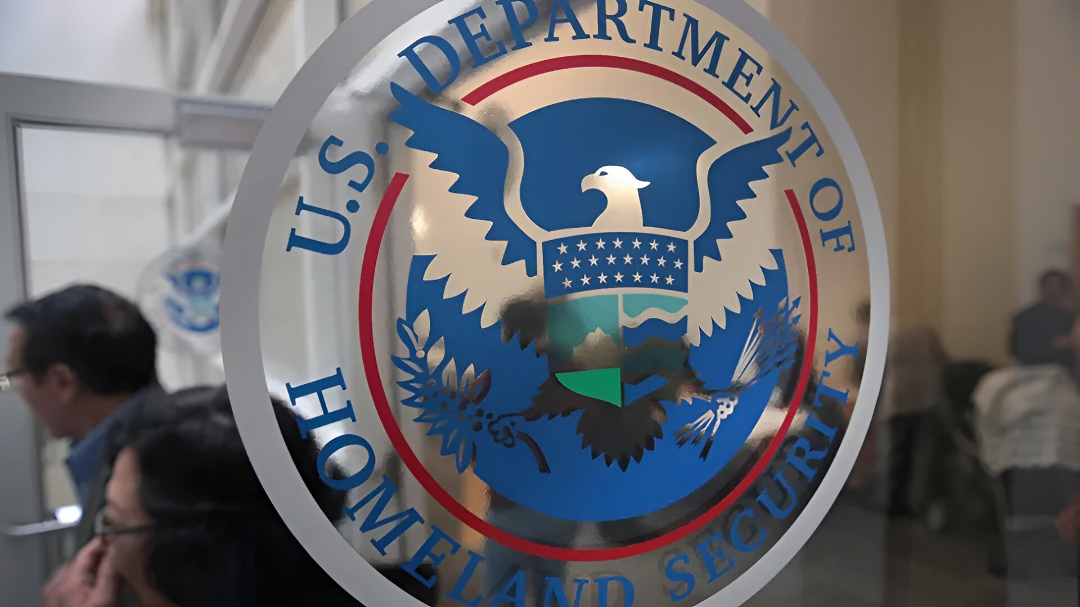
Your Instagram stories and Twitter takes just became immigration evidence. The Department of Homeland Security announced sweeping expansions to social media vetting that treat online posts as factors in benefit decisions—and the implications reach far beyond immigration status.
Government Gets Granular with Your Posts
New screening protocols examine social platforms for “antisemitic” and “anti-American” content during immigration reviews.
USCIS began mandatory social media screening for antisemitic terrorism endorsement on April 9, 2025, according to NAFSA documentation. By August, the agency expanded vetting to include broader “anti-American” activity across more benefit requests. Your posts, likes, and shares now carry potential federal consequences.
The shift treats social media presence like a digital background check. Immigration officers review platforms for content that could disqualify applicants—essentially making your online persona part of your official record.
Universities Feel the Heat
Harvard faced threats over student data demands, revealing government pressure beyond individual screening.
DHS threatened Harvard University with SEVP decertification on April 16, demanding data on foreign students’ “illegal and violent activities”—including protest participation—by April 30. A federal court later blocked related funding freezes, citing First Amendment violations.
This university targeting shows how surveillance extends beyond individual posts to institutional data collection. Your campus activities, previously protected by educational privacy laws, now face federal scrutiny through administrative pressure rather than direct legal authority.
The Federal Task Force on antisemitism has visited campuses since February 2025, while DHS workforce reductions in oversight offices suggest less internal constraint on data collection activities.
Privacy Tools See Surge in Demand
Heightened government monitoring drives users toward encrypted platforms and anonymization services.
The surveillance expansion doesn’t require direct tech company compliance—yet. Instead, existing data sharing agreements between platforms and federal agencies facilitate access. Meta, X, and other platforms already provide government data under specific circumstances.
Privacy-conscious users are responding accordingly. VPN downloads spike whenever government surveillance expands, like Supreme Court decisions triggering privacy app installations. Encrypted messaging platforms gain new users who previously felt comfortable with standard social media privacy settings.
Your digital footprint carries more weight than ever. Consider privacy settings, platform choices, and content awareness part of your broader security strategy—because federal agencies certainly do.