Molotov cocktails don’t typically feature in Silicon Valley disruption narratives, yet 20-year-old Daniel Moreno-Gama hurled one at OpenAI CEO Sam Altman’s $27 million Pacific Heights home on April 11th. The attack—followed by gunshots near Altman’s property days later—signals something darker than typical tech skepticism. This isn’t intellectual resistance anymore.
It’s revolutionary.
The Texas college student’s manifesto cited AI-driven human “extinction” before he attempted to torch Altman’s gate, then traveled to OpenAI headquarters with a chair and arson threats. Court documents reveal the calculated nature: written plans, philosophical justifications, and cold determination to target the face of artificial intelligence.
But here’s what should terrify every tech executive: online reactions from Gen Z weren’t horror, but celebration. “Based do it again,” read one Instagram comment. “FREE THAT MAN,” declared another on TikTok.
The Economic Rage Machine
AI-related layoffs hit 55,000 workers in 2025 while tech leaders promise utopian futures.
The violence emerges from economic desperation, not abstract fears. According to reporting by Fortune, AI eliminated 55,000+ American jobs in 2025—twelve times the previous year. You’re watching an entire generation realize the AI promise was never meant for them.
Meanwhile, 43% of recent college graduates remain underemployed, entering a job market increasingly hostile to entry-level positions. The disconnect between corporate AI enthusiasm and worker displacement creates the perfect storm for radicalization.
Infrastructure Under Siege
Local communities reject the massive resource costs of powering AI dreams.
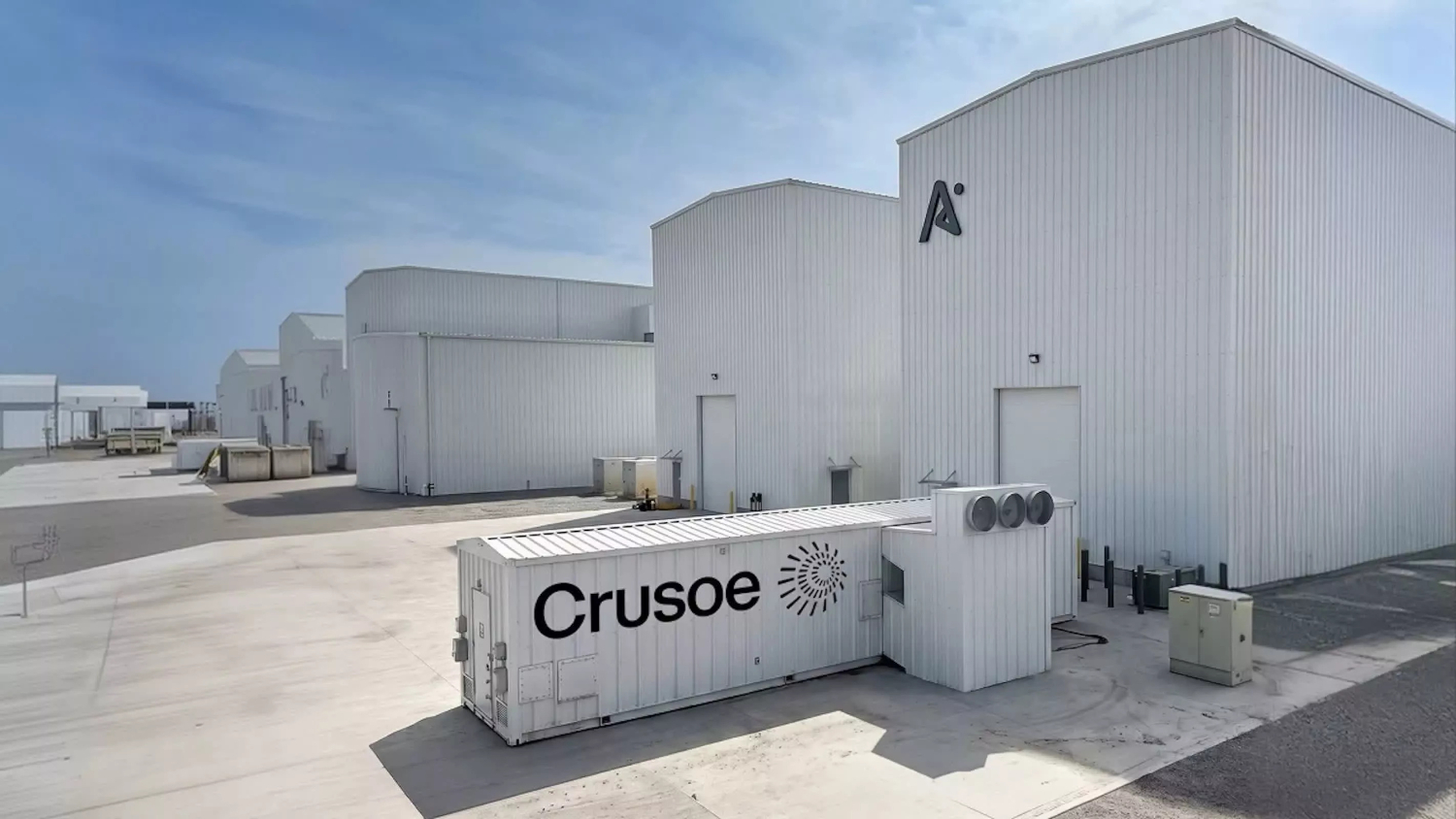
The backlash extends beyond San Francisco mansions to heartland communities rejecting data center construction. According to Fortune, grassroots opposition killed or delayed $64 billion worth of projects across 24 states. Twenty-five projects were canceled in 2025 alone—quadruple the previous year.
Towns that once courted tech investment now view it like a casino: promises of prosperity masking community costs. Opposition groups cite skyrocketing utility bills, water consumption, and noise pollution as AI tools demands strain local resources.
The Usage Paradox
More than half of Gen Z uses AI tools regularly, but only 20% feel hopeful about the technology’s impact.
Gallup polling reveals the contradiction driving this rage: over 50% of Gen Z uses AI regularly, yet fewer than 20% express hope about its future. Thirty-three percent feel actively angry, while 50% report fear.
You’re witnessing a generation trapped between practical dependence and existential dread—using ChatGPT for homework while watching it eliminate their career prospects. This isn’t Luddite destruction; it’s calculated resistance from digital natives who understand exactly what they’re rejecting.
The normalization of anti-tech violence represents a cultural inflection point. When college students celebrate Molotov attacks and data centers face organized opposition, Silicon Valley’s promise of frictionless futures crashes against human friction.