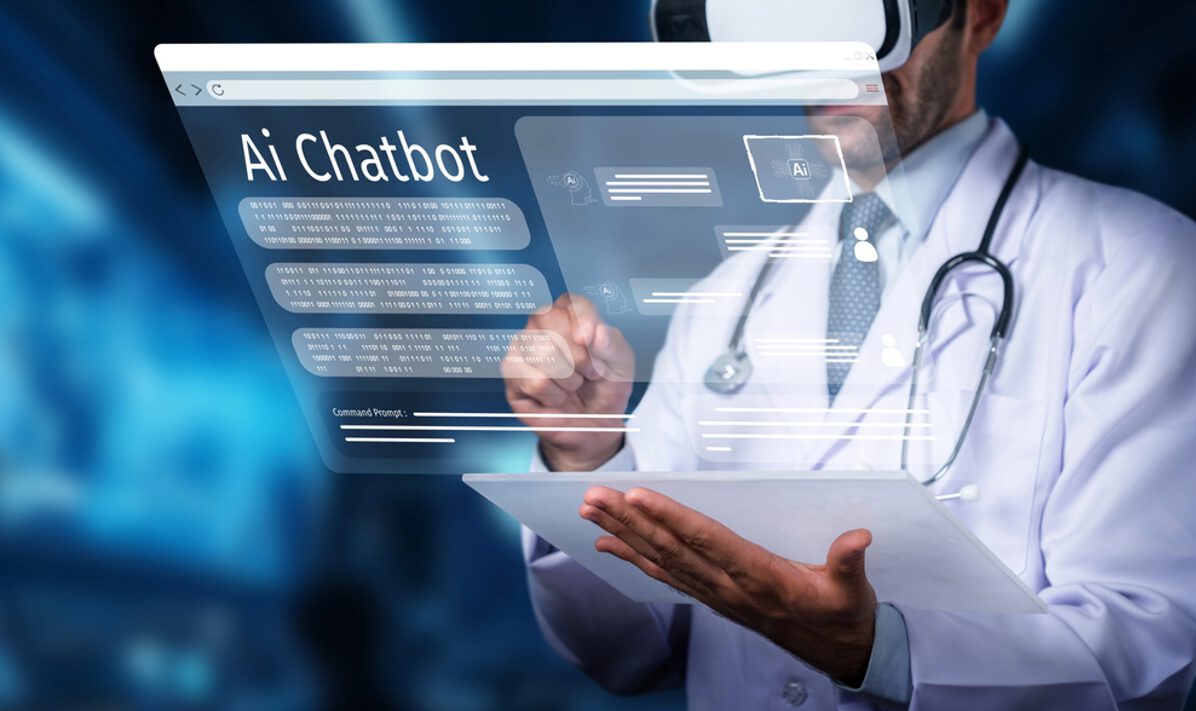
You’re lying awake at 2 AM with chest pain, typing symptoms into ChatGPT because the ER feels dramatic for what’s probably nothing. That midnight medical consultation just got a lot scarier. Recent research reveals AI chatbots struggle significantly when diagnosing with incomplete patient information—exactly how most people actually use them.
Multiple studies tested major AI models, including ChatGPT, Claude, Gemini, and others from OpenAI, Anthropic, Google, xAI, and DeepSeek. When given partial medical information (the way real conversations unfold), these systems crashed harder than a Windows 95 computer trying to run Cyberpunk 2077. The accuracy problems become severe when users provide patchy or incomplete symptom descriptions.
Here’s the kicker: The same AI models achieved over 90% accuracy when fed complete medical data.
Lead researcher Arya Rao from Mass General Brigham explained the crucial gap: “These models are great at naming a final diagnosis once the data is complete, but they struggle at the open-ended start.” That’s precisely when you’re most likely to consult an AI—when symptoms are vague and you’re fishing for answers.
A separate Nature Medicine study hammered this point home. While lab tests showed 95% diagnostic accuracy, real-world conversational scenarios plummeted to under 35% success rates. The culprit? Incomplete user information, distractions, and plain old miscommunication—all standard features of human-AI interaction.
The gap between controlled testing and messy reality is enormous.
Companies are responding with guardrails:
- Claude now directs users to medical professionals
- Gemini includes app reminders about seeking real healthcare
- OpenAI prohibits unlicensed medical advice entirely
These aren’t feel-good policies—they’re acknowledgments that current AI isn’t ready for your 2 AM health anxieties.
The research doesn’t doom AI in medicine entirely. Specialized models like Google’s AMIE show promise for doctor-scarce regions, but they need real patient trials first. Until then, treat your favorite chatbot like WebMD’s smarter cousin—helpful for research, dangerous for diagnosis. Your actual doctor remains irreplaceable, even if their appointment availability feels prehistoric.