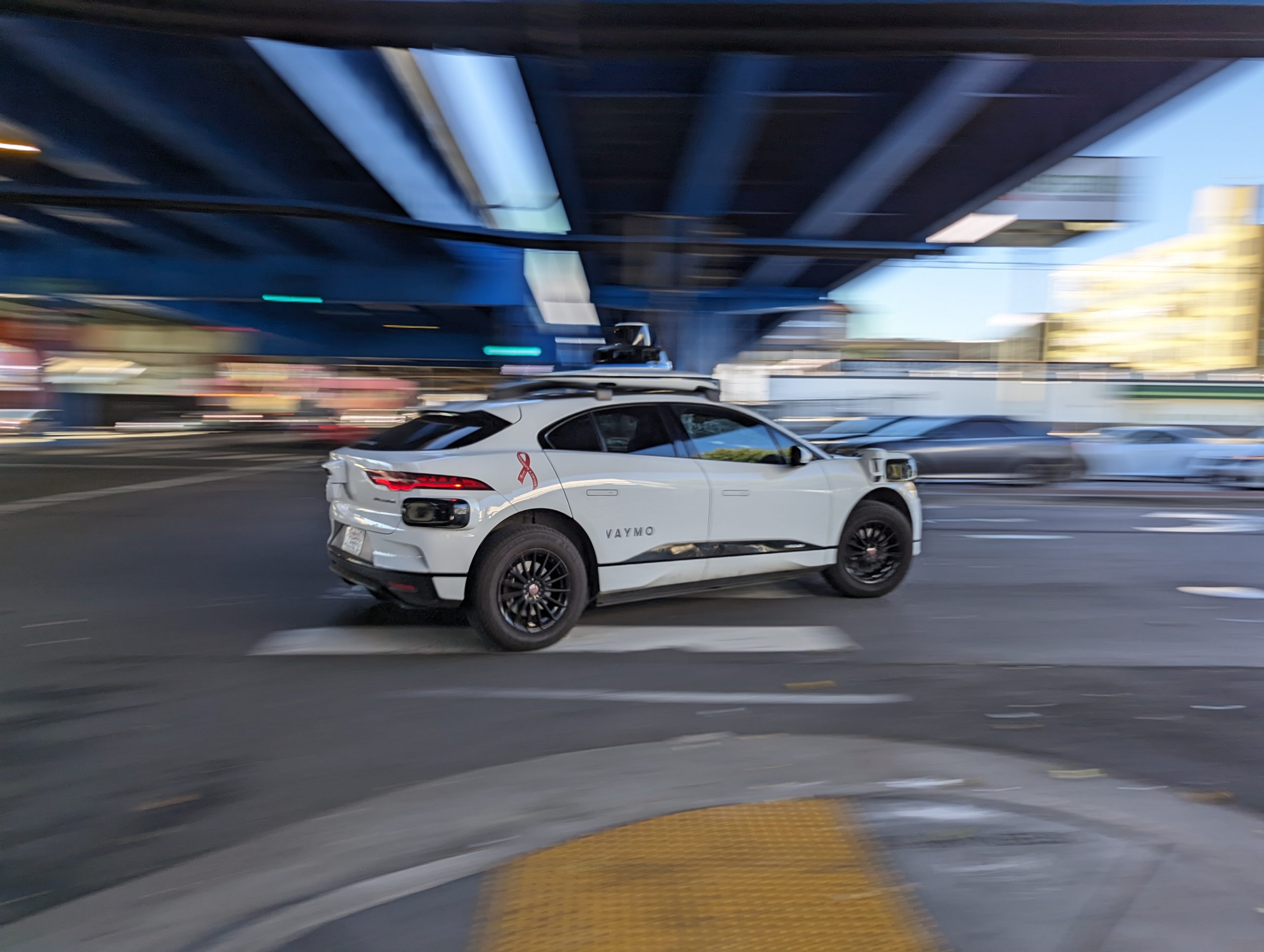
The unease many passengers feel climbing into a driverless car may be statistically misplaced. The Insurance Institute for Highway Safety — the same independent outfit that crash-tests family sedans, not Waymo’s marketing team — just published findings across roughly 50 million fully driverless miles from 2021 to 2024. Waymo’s robotaxis recorded 1.28 police-reportable crashes per million miles. Human drivers in the same cities? 4.06. That’s a 68% reduction, and it’s the first time an independent body has validated AV safety claims at genuine commercial scale, according to the IIHS.
What the Data Actually Shows
IIHS researchers filtered hundreds of crash reports by hand to make the comparison fair.
Here’s why this study carries more weight than Waymo’s own safety blog posts. IIHS researchers manually reviewed 736 federal AV crash reports, filtering out the fender-benders that AV companies must report to NHTSA but that most drivers would never bother calling the cops about. The comparison used matched urban environments, excluding highways. Lead researcher Eric Teoh told Benzinga, “What we’re seeing is a nice pattern — fewer crashes overall, less egregious types of crashes, and less severe crashes.”
- Phoenix showed a 76% reduction
- LA came in at 71%
- San Francisco, 35%
- Austin ran 4% higher, though with far fewer miles logged there — not enough data to treat that figure as conclusive
By the numbers:
- 68% fewer police-reportable crashes overall (1.28 vs. 4.06 per million miles)
- 85% fewer single-vehicle crashes
- 91% less likely to rear-end another vehicle
- Nearly half of Waymo’s miles driven with no passenger aboard
- ~50 million fully driverless miles studied (2021–2024)
The Caveats That Keep This From Being a Victory Lap
Speed limits, lighting conditions, and the definition of “average driver” all complicate the headline number.
About half of Waymo’s crashes happened on streets with speed limits under 25 mph — compared with just 8% for human drivers. Slower roads produce less violent collisions regardless of who’s driving, so the speed-environment gap likely flatters Waymo’s severity numbers. Nighttime is a relative weak spot too: despite LiDAR and radar, Waymo vehicles show a higher share of crashes in dark conditions than human drivers do. And the benchmark throughout is the average human driver — a population that includes every texting, drowsy, three-drinks-deep person on the road, not someone’s most attentive afternoon commute.
Meanwhile, Waymo is recalling approximately 3,900 robotaxis after vehicles drove into freeway construction zones. Lower average crash rates don’t mean edge cases are solved. The IIHS itself flags that federal AV monitoring remains inadequate — companies must report crashes but aren’t required to disclose miles driven. Waymo shares that mileage data voluntarily, which is precisely what made this independent analysis possible.
What Comes Next for Riders and Regulators
If the safety margin holds as Waymo expands, robotaxis could become a public-health argument, not just a tech product.
Should this advantage persist at larger scale, regulators may stop treating robotaxis as a novelty and start viewing them as a road-safety intervention in dense urban environments. The math is encouraging — the edge cases, though rarer, haven’t disappeared. They’ve just gotten harder to find.