On Tuesday, Nov. 17, 2026, at approximately 2:20 p.m. Eastern Time, radio and television programming across the country will briefly be replaced by an Emergency Alert System test message. FEMA and the FCC scheduled it months in advance, announced it publicly, and described its purpose plainly: to confirm that the national alert infrastructure works before it is actually needed. The interruption will last about one minute.
That straightforward reality has not prevented social-media posts from framing the test as a warning of an imminent global blackout. The claims are unsupported. No FEMA or FCC material connects this test to a power-grid shutdown of any kind.
What Will Actually Happen at 2:20 p.m. ET
The test reaches broadcast and video services, not mobile phones, and requires no response from the public.
The EAS test will be distributed through participating radio and television broadcasters. It will also reach cable systems, satellite radio and television providers, and wireline video providers. The alert message will identify itself as a nationwide test issued by FEMA and state clearly that no action is required from the public.
This test does not include Wireless Emergency Alerts, so phones will not receive a notification. Posts predicting a jarring phone alert on Nov. 17 are incorrect. Normal programming will resume within roughly one minute.
If a real emergency or significant weather event prevents the test from proceeding, FEMA has designated Dec. 3, 2026, as the backup date, according to agency materials.
Why the Test Exists at All
The law requires FEMA to run this check at least once every three years to find problems before a real emergency demands the system perform.
Federal law requires FEMA to conduct a nationwide public-alert-system test at least once every three years. The stated purpose is to identify technical failures or operational gaps before the system has to perform during an actual disaster. It is infrastructure maintenance, following the same logic as fire drills and bridge inspections.
What the Rumors Claim, and Why None of It Holds
Four distinct but interconnected claims circulate online, and each one falls apart against the official record.
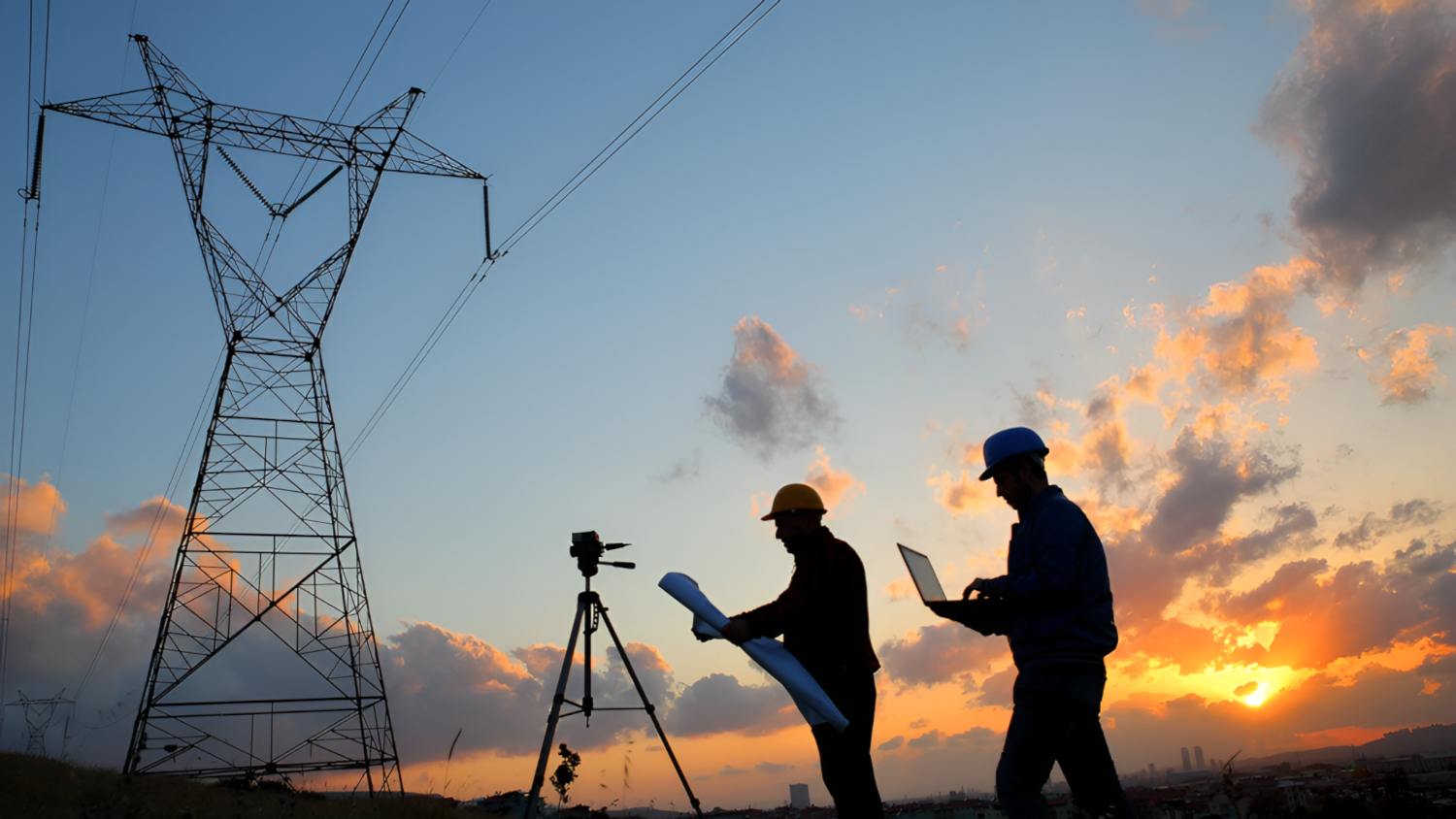
The most direct claim holds that the EAS test is connected to, or will trigger, a large-scale blackout. This conclusion is false on a mechanical level. A broadcast alert travels through communications providers such as television stations, cable operators, and satellite services. It has no connection to electrical-grid infrastructure and no technical mechanism to disable power generation or distribution anywhere.
A separate narrative pulls in a reported Pentagon initiative sometimes called “Fortress America,” which reportedly directs military bases to maintain independent power and supplies for 90 days. Posts treat that 90-day figure as evidence of a planned 90-day public outage, but that reasoning does not follow. A military resilience policy designed to keep bases operational during disruptions is an unrelated program with no documented link to a FEMA broadcast-alert test.
Fabricated video content is among the most consequential elements of the rumor cycle. AI-altered clips have circulated purporting to show President Trump announcing a 90-day blackout, but no official government channel has published any such announcement. Any video making that claim should be treated as manipulated content unless authenticated through a primary government source or independently verified reporting.
Pop-culture references round out the misinformation package. Some posts cite a “Simpsons” episode as a predictor of the blackout, but a fictional television program is not evidence of federal infrastructure plans. Entertainment references carry no weight in evaluating real-world emergency-management policy.
These four claims follow a recognizable pattern. A real scheduled event supplies a credible anchor, an unrelated government reference adds apparent official weight, fabricated video provides the appearance of eyewitness evidence, and a familiar pop-culture motif supplies a sense of eerie prediction. Stripped of context and combined, they produce a story persuasive enough to spread widely and false enough to cause unnecessary concern.
What You Should Do on Nov. 17
Readers who know what to expect will not be caught off guard, and those who want reliable information know exactly where to find it.
At approximately 2:20 p.m. ET, some broadcast and video programming may be briefly interrupted. The message will identify itself as a test, no phone alert will accompany it, and no action is required. If the test is postponed, the rescheduled date is Dec. 3.
For accurate information, rely on FEMA, the FCC, local emergency-management agencies, utility operators, and established news organizations. Viral posts that do not link to primary documentation from those sources are not reliable guides to federal emergency infrastructure. The Nov. 17 test is a technical check, not a countdown.