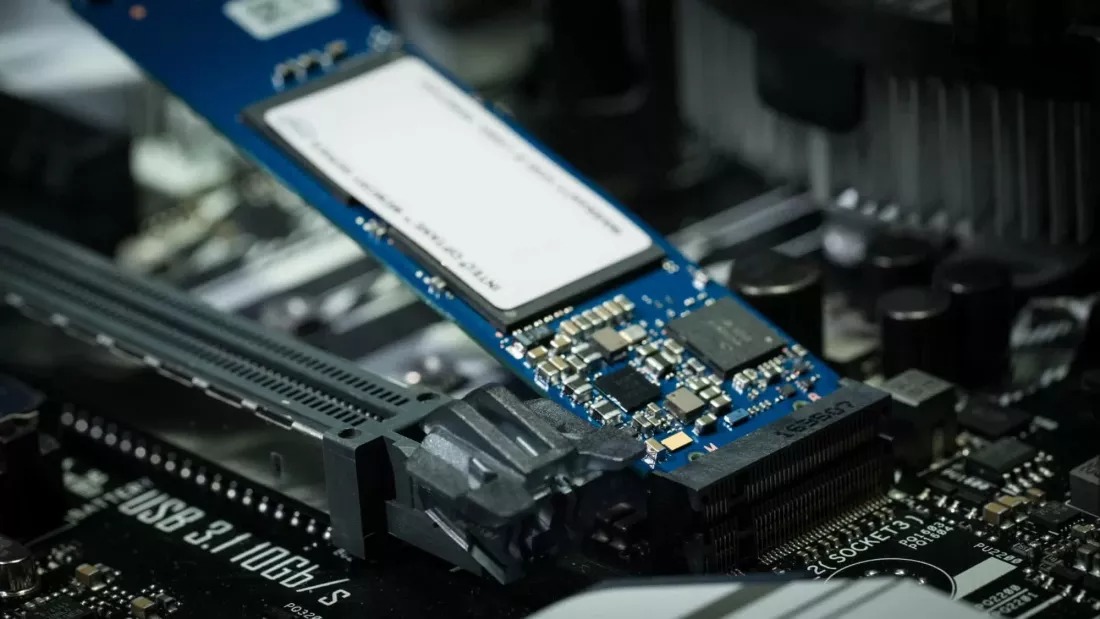
Your next PC upgrade just got dramatically more expensive — and AI is the reason. For roughly twenty years, memory followed a reliable pattern: more performance, lower cost, repeat. Analysts at TrendForce, Gartner, and Jefferies now agree that pattern has shattered. The prices hitting consumers in 2026 aren’t a blip — they represent a broad reversal that reaches into every device carrying storage or memory, from laptops and smartphones to SSDs, GPUs, and consoles.
The Numbers Are Brutal
Memory prices are spiking at rates analysts haven’t seen in modern semiconductor history.
TrendForce revised conventional DRAM contract prices upward by 90–95% quarter-over-quarter for Q1 2026. NAND flash climbed 55–60% in the same window. Counterpoint Research corroborated the trend, reporting prices surged up to 90% from Q4 2025. Computer science researcher and software performance expert Daniel Lemire described the situation as a “historical anomaly,” arguing memory prices have effectively reversed two decades of cost declines. Think of it like housing prices — except for the chips inside everything you own.
Here’s what that means in practice:
- Gartner projects combined DRAM and SSD prices could rise 130% by end of 2026
- Average PC prices are expected to jump 17%, per the same Gartner forecast
- Global PC shipments could fall 10.4% as buyers balk at higher sticker prices
- Jefferies forecasts another 40–50% increase in Q3 2026, then 30–40% more in Q4
- SSDs, USB drives, memory cards, laptops, smartphones, GPUs, and consoles are all affected
This isn’t just a PC builder problem. Every device with storage or memory is getting squeezed.
AI Ate Your Budget
Data centers are absorbing the memory supply that used to keep consumer gadgets affordable.
The cause is straightforward. AI infrastructure demands enormous quantities of DRAM and NAND flash. Memory manufacturers — Samsung, SK Hynix, and Micron among them — are shifting capacity toward higher-margin server and AI Chips. Consumer memory gets whatever’s left, like trying to order concert tickets after the bots have already swept through Ticketmaster.
Relief isn’t arriving anytime soon. Jefferies projects 40–45% year-on-year price growth continuing into 2027, with meaningful correction unlikely before 2028. The key variable is whether AI spending sustains its current pace. If hyperscaler demand cools or new fabrication capacity comes online faster than expected, prices could normalize sooner. Betting on that, however, feels optimistic given current trajectory.
If you’re planning a build, a laptop purchase, or even a storage upgrade, the math favors buying sooner rather than later. Analysts note that consumers are effectively cross-subsidizing AI infrastructure every time they buy RAM or storage — and every quarter of delay adds to that cost.