So, you’re building your dating profile, scrolling through thousands of photos trying to find the perfect combination that screams “attractive but approachable.” Now imagine an AI doing that work for you — by analyzing every single image in your camera roll.
That’s exactly what Tinder announced at its inaugural Sparks 2026 keynote in March. Camera Roll Scan uses machine vision to analyze your stored photos, identifying patterns in your lifestyle, hobbies, and personality. The feature feeds into Tinder’s Chemistry recommendation system, designed to combat dating fatigue by serving up curated matches instead of endless swiping.
Your Phone Knows You Better Than You Think
The AI processes photos on-device, promising privacy while mining your digital life for dating insights.
Mark Kantor, Tinder’s Head of Product, insists the technology operates primarily on your device, with only user-approved photos uploaded to servers. The system looks for recurring themes — pets, fitness activities, travel spots — while filtering out single occurrences. “If I have one dog photo of 20,000, I’m not really a dog person,” Kantor explained to 404 Media.
But here’s the uncomfortable reality: your camera roll contains way more than dating-worthy content. Banking screenshots, medical documents, intimate photos, and random memes all get processed by the same algorithm promising to reveal your “vibe.” The opt-in approach includes safeguards like automatic deletion after 90 days and face-blurring filters. Yet users can’t selectively exclude sensitive images — it’s all or nothing.
The Authenticity Paradox
AI curation promises genuine connections while adding another layer of algorithmic mediation to dating.
Tinder frames this as solving Gen Z’s frustration with dating app friction. “They’re not frustrated with dating. They’re frustrated with all of the friction and the dead ends,” Kantor said. The irony? In an era where users already struggle to distinguish between bots, AI-generated messages, and genuine profiles, Camera Roll Scan adds yet another algorithm between you and authentic connection.
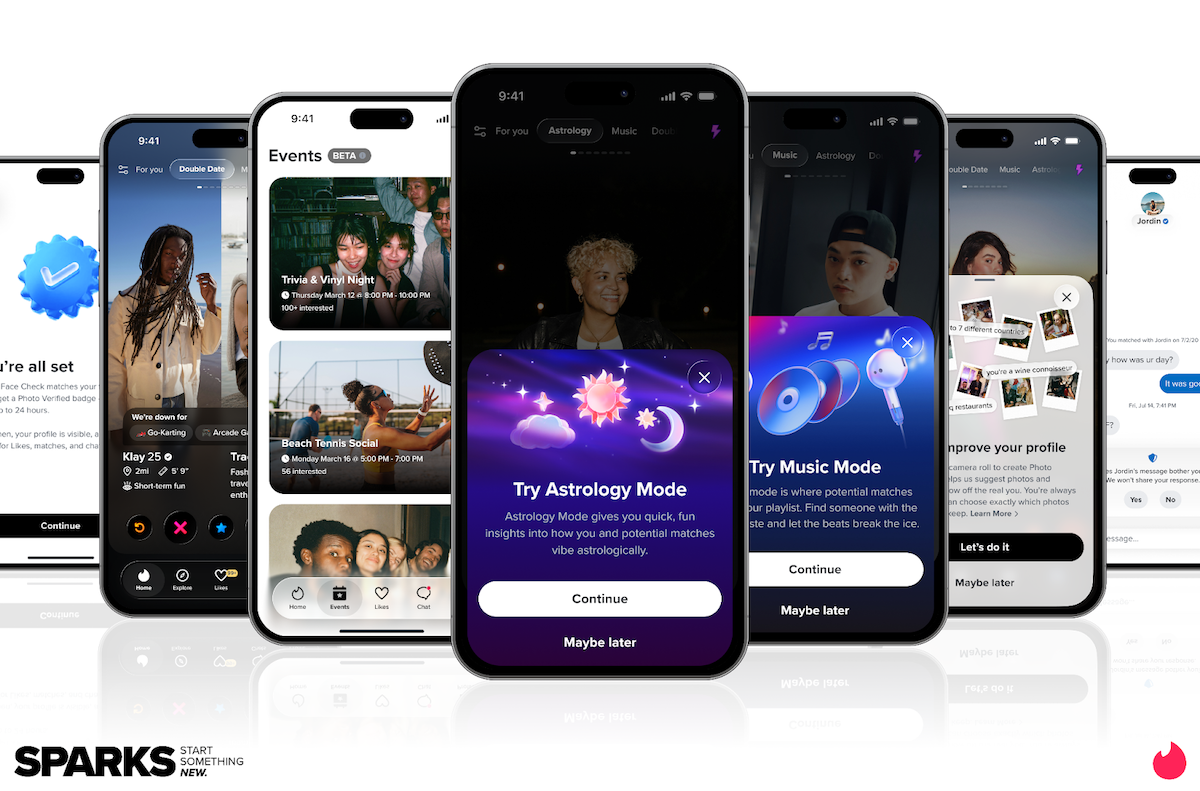
Early testing shows promise — Astrology Mode saw a 20% increase in “Likes” from women, while redesigned Music Mode achieved 1-in-10 adoption among users under 22. But success metrics don’t address the fundamental question: does algorithmic insight create better matches, or just more efficient surface-level judgments?
Privacy in the Age of Convenience
The feature highlights the growing tension between AI-powered convenience and personal data protection.
Given Match Group’s recent security incidents, including claimed data theft in 2025, granting camera roll access represents a significant privacy gamble. Your unfiltered digital archive contains everything from financial documents to medical records — far beyond what’s relevant for dating compatibility.
“It’s up to you to figure out what you’re comfortable sharing back with Tinder,” Kantor acknowledged. Translation: the convenience of AI-curated dating comes with the price of unprecedented access to your most personal digital spaces. Whether that trade-off leads to love or regret remains to be seen.