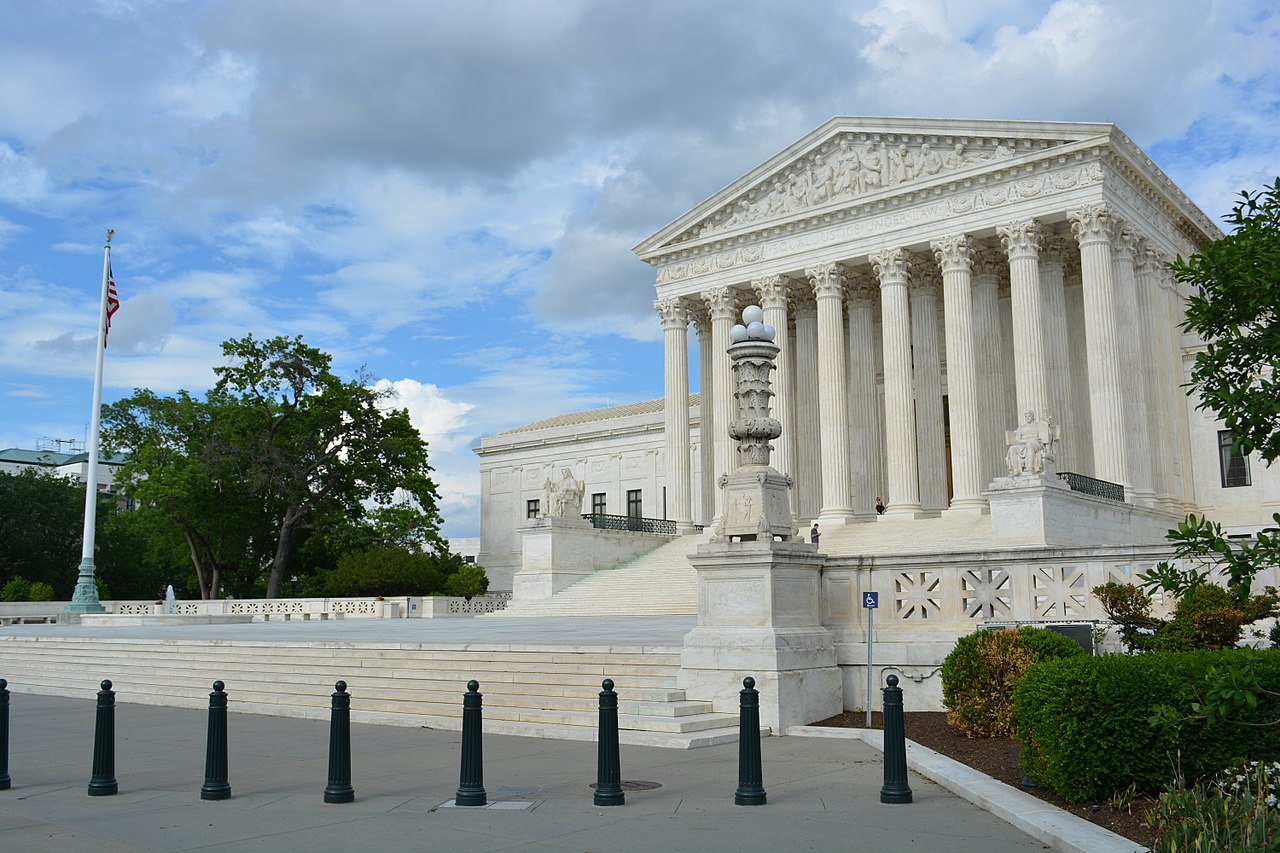
Your AI-generated artworks can’t claim copyright protection—the Supreme Court made that official by refusing to hear a decade-long legal battle that would have let AI systems own their creations. On March 2nd, the Court declined Stephen Thaler’s final appeal in Thaler v. Perlmutter, cementing what every lower court already knew: human authorship remains the bedrock requirement for copyright protection.
The Decade-Long Legal Experiment Finally Ends
Thaler spent ten years arguing that his AI system DABUS deserved copyright for “A Recent Entrance to Paradise,” a visual artwork the machine created autonomously in 2012. Every court from the Copyright Office to the D.C. Circuit Court of Appeals said the same thing: “We cannot register this work because it lacks the human authorship necessary to support a copyright claim.” Judge Beryl A. Howell put it bluntly—human authorship is a “bedrock requirement of copyright.”
Even the Trump administration, surprisingly, encouraged the Supreme Court not to hear Thaler’s appeal despite its generally AI-friendly stance.
Where Human Control Ends, Copyright Dies
The ruling doesn’t kill AI-assisted creativity—it just defines who gets credit. The Copyright Office clarified that AI-prompt-based art fails the copyright test because users don’t exercise enough control to qualify as authors. “No matter how many times a prompt is revised and resubmitted,” the Office explained, “the final output reflects the user’s acceptance of the A.I. system’s interpretation, rather than authorship.”
But courts left wiggle room for works where humans maintain genuine creative control, setting up future “line-drawing” disputes between AI assistance and AI authorship.
What This Means for Your Creative Workflow
This decision won’t stop you from using DALL-E or Stable Diffusion—it just means those generated outputs enter the public domain immediately. Companies investing in autonomous creative AI now need alternative strategies: protecting training datasets, interface innovations, or business models rather than generated content. The ruling creates a clear incentive structure favoring human-AI collaboration over fully autonomous systems, potentially redirecting development toward tools that enhance rather than replace human creativity.
Your role as the creative director, curator, and final decision-maker just became legally essential. Human copyright survives the AI revolution—for now. Future legislative action might extend protection to AI-generated works, but courts have made clear they’ll apply existing law as written. The message is unmistakable: creativity remains fundamentally human, even when powered by silicon.