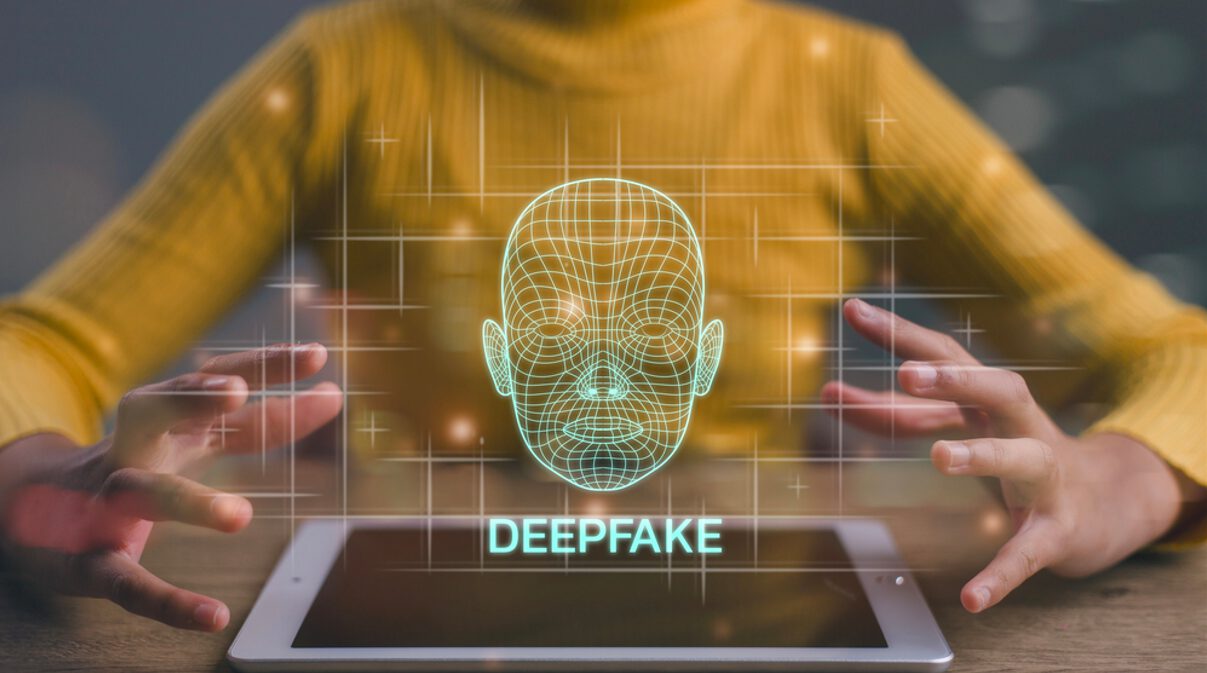
Your video calls just got a little more suspicious. While deepfake technology grows more convincing by the day, viral detection methods recently highlighted how everyday users can spot fake video interactions used by scammers. Though the arms race between fraudsters and defenders continues evolving, the broader trend reveals how internet users are fighting back against increasingly sophisticated fraud attempts. Like how this deepfake scammer was exposed by the 3-finger test.
Simple Tests, Complex Problems
Basic detection methods gain traction as deepfake scams multiply across platforms.
The appeal of finger-based detection tests lies in their accessibility—you don’t need specialized software to spot inconsistencies in how synthetic videos render human hands and digits. Deepfake generators still struggle with fine motor details, creating telltale artifacts that trained eyes can catch. These biological markers become crucial when scammers target vulnerable populations through fake family emergency calls or romance schemes that prey on emotional responses.
Users have discovered that asking someone on video to perform specific hand gestures can reveal synthetic generation flaws. The technique works because current AI models have difficulty maintaining consistent finger positioning and natural hand movement patterns throughout longer interactions.
The Detection Arms Race Accelerates
Every new detection method sparks countermeasures from increasingly sophisticated bad actors.
Like a tech version of whack-a-mole, each viral detection technique eventually gets countered by improved generation methods. This creates an ongoing cycle where detection methods work temporarily before becoming obsolete. Security researchers warn that relying on any single detection method creates false confidence—today’s effective test becomes tomorrow’s easily spoofed vulnerability.
The challenge intensifies as deepfake technology becomes more accessible through consumer applications. What once required specialized knowledge now operates through simple smartphone apps, democratizing both creation and potential misuse of synthetic media.
Community Defense Goes Mainstream
Social media transforms into an informal training ground for fraud detection skills.
Users share screenshots of suspicious videos like they once shared phishing email warnings, creating an informal network of fraud awareness. This crowdsourced approach to security education fills gaps that traditional cybersecurity training often misses—reaching people through the same platforms where scams proliferate.
The phenomenon mirrors how internet culture adapts to emerging threats through collective learning. TikTok videos explaining detection methods accumulate millions of views, transforming security awareness into shareable content that reaches demographics traditional cybersecurity education struggles to engage.
Your best defense remains healthy skepticism combined with verification through multiple channels. When someone claims to be your nephew calling from jail, hang up and call them directly. The scammers are getting smarter, but so are you—and so is everyone sharing detection methods online.