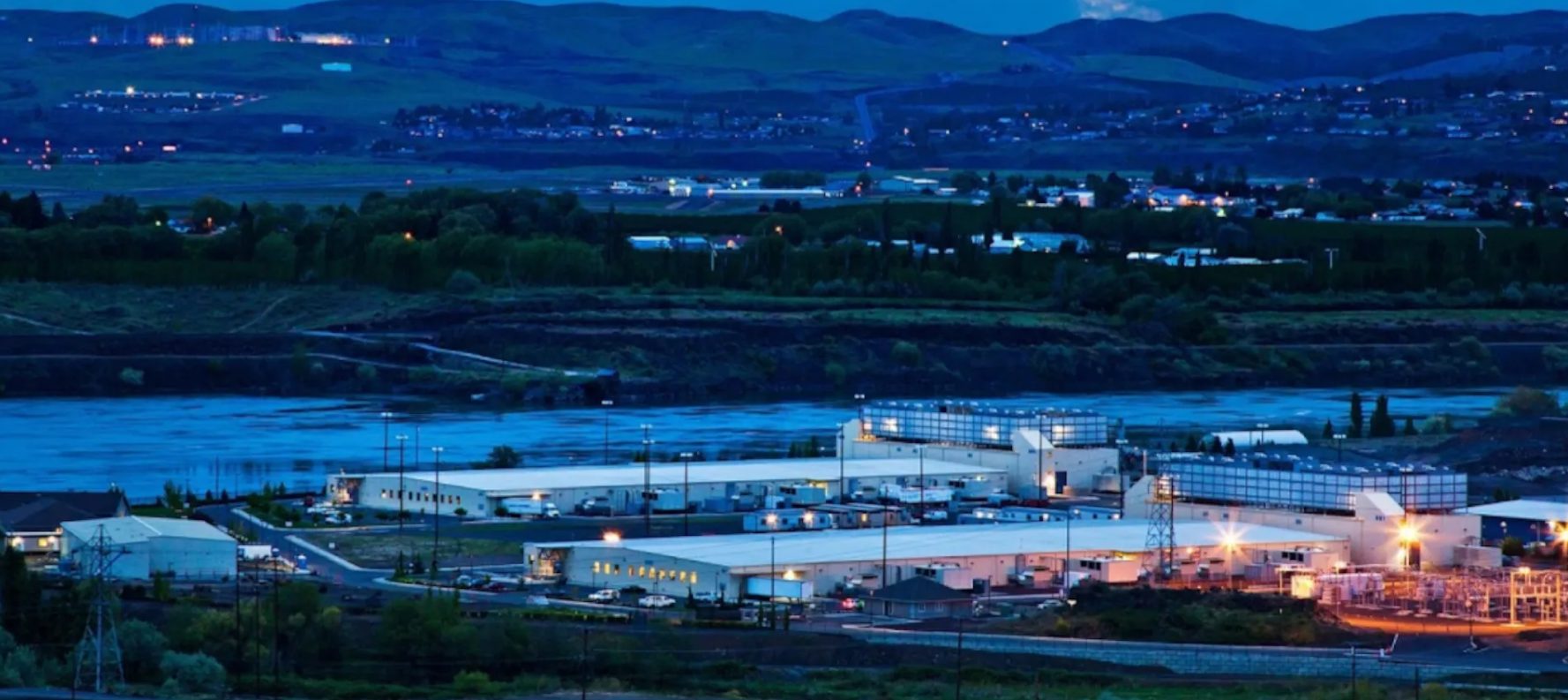
A developer in a crisp suit clicks through slides promising your town “21st-century opportunities” from a proposed AI data center. The renderings look sleek, the job promises sound appealing, and the tax revenue projections seem generous. But behind the glossy presentation lies a harsh reality—these facilities consume staggering amounts of water and electricity while creating surprisingly few permanent jobs.
Demand Real Numbers on Resource Consumption
Force developers to specify exactly what they’ll take from your community’s water and power supplies.
Don’t accept vague assurances about “sustainable operations.” AI data centers are resource-hungry beasts. Nationally, these facilities consumed 183 terawatt-hours of electricity in 2024—over 4% of total U.S. demand, roughly equivalent to powering Pakistan for a year, according to Pew Research. Individual facilities can require 100 megawatts of capacity, matching the power usage of 100,000 homes.
Water consumption is equally staggering. One Google data center in Oregon used 355 million gallons in 2021 alone. Ask developers for specific daily and annual withdrawal numbers, cooling technologies used, and what chemicals will be discharged. More importantly, demand written commitments that household and agricultural water takes priority during droughts.
If they won’t put drought curtailment rules in writing, that tells you everything about their priorities.
Question the Surveillance Apparatus
These facilities deploy extensive monitoring that often extends beyond their property lines.
Modern data centers operate like digital fortresses, complete with AI-enhanced cameras, license-plate readers, and drone patrols. The problem? These surveillance networks frequently capture neighboring properties and public spaces. Environmental justice advocates warn that communities already facing over-policing become unwilling subjects of additional corporate monitoring.
Demand site maps showing camera coverage areas and written policies on data retention and law enforcement sharing. Push for binding restrictions prohibiting facial recognition on perimeter footage and integration with police surveillance systems. Like a Black Mirror episode, but with real consequences for your neighborhood.
Expose the Economic Shell Game
Calculate the true cost-benefit ratio for your community.
Here’s where developer math gets creative. Modern hyperscale data centers create remarkably few permanent jobs—often just dozens of positions even at massive facilities. Meanwhile, communities typically offer substantial tax incentives and infrastructure subsidies, with grid upgrade costs frequently passed to ratepayers.
Ask for specific job numbers with local hiring commitments, total subsidy values, and who pays for necessary power infrastructure upgrades. Compare those numbers to alternative land uses that might create more local employment.
When corporate promises don’t add up on paper, they won’t deliver in practice. If developers can’t provide clear, written answers to these questions—and embed them in enforceable permit conditions—their reluctance reveals the real deal. Your community deserves transparency, not tech industry fairy tales.