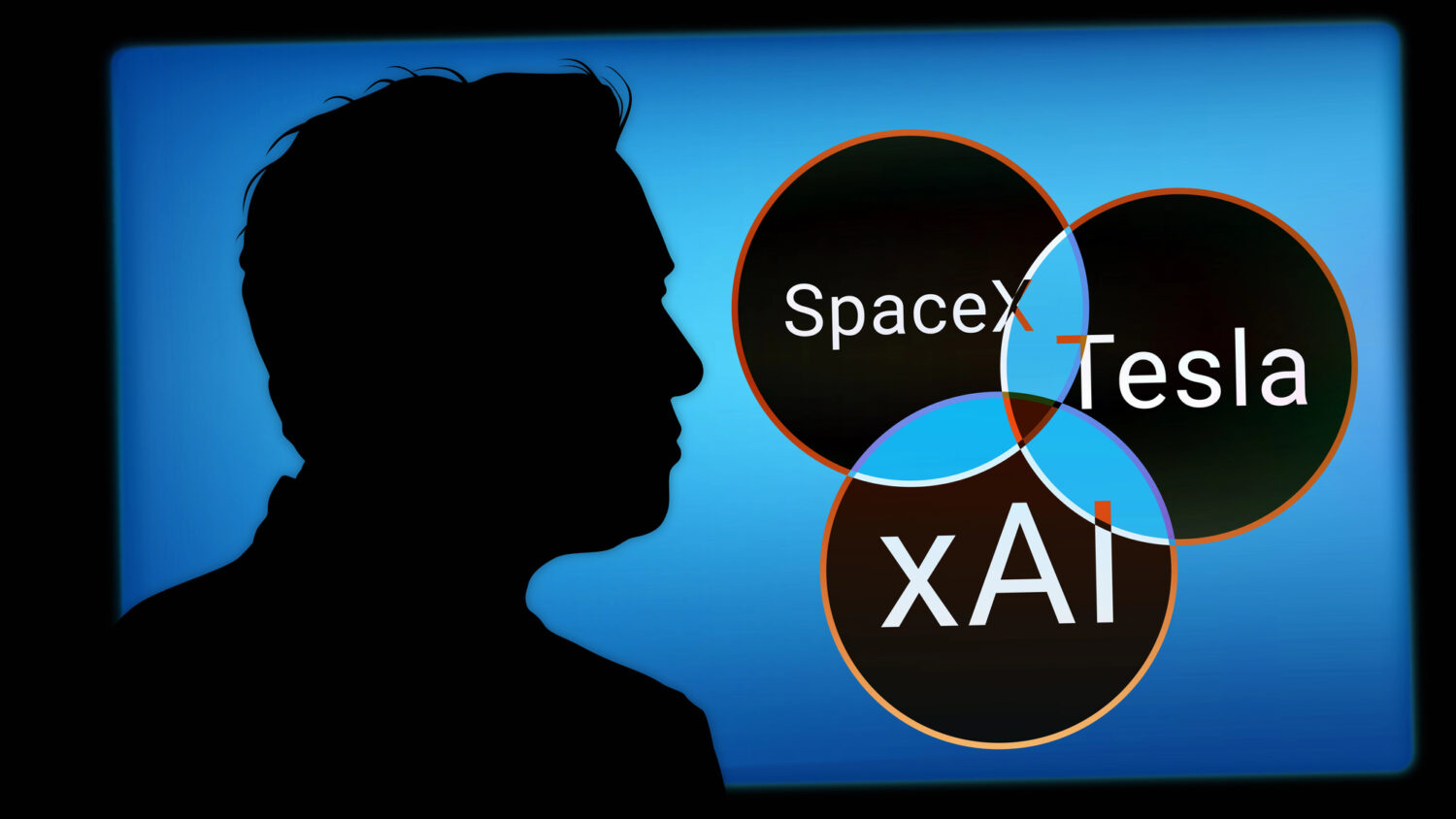
On Oct. 20, 2026, Elon Musk confirmed during SpaceX’s third-quarter earnings call that both SpaceX and Tesla have formed special committees of independent directors to study a possible merger. The committees had not agreed on transaction terms, and Musk told listeners not to treat a transaction as certain. For context on Tesla’s autonomous vehicle ambitions, see recent coverage of the Tesla Robotaxi.
What Is Actually Happening
Committees are studying a deal, and Musk is watching from the sidelines.
The committees were formed at shareholders’ request, according to Musk’s disclosure as reported by Reuters on Oct. 20, 2026. He described himself as “a conflicted party” and said he would not participate in committee deliberations.
That recusal carries weight. Musk controls roughly 20% of Tesla’s shareholder votes and more than 80% of SpaceX’s voting power, according to the New York Times. Any deal he openly champions faces immediate scrutiny over whether independent oversight is genuinely meaningful.
What a Combined Company Would Bring Together
The overlap between the two companies is already substantial, spanning vehicles, satellites and AI.
Based on reported research, a merged entity would unite several interconnected businesses. Tesla’s electric vehicles, self-driving software and robotics program would combine with SpaceX’s launch business and Starlink global satellite network. The companies also have existing commercial ties, including reported Tesla battery and vehicle supply to SpaceX operations, according to the New York Times. Additionally, xAI, the Musk-led artificial intelligence company that reportedly merged with SpaceX, and a planned joint AI-chip manufacturing facility the companies are reportedly calling Terafab would factor into any combined structure, per New York Times reporting.
The reported combined valuation of the two companies sits near $3.5 trillion, the New York Times estimated, which could rank a merged entity among the largest publicly traded technology companies in the world.
The Governance and Approval Problem
Tesla’s shareholder vote structure makes approval harder than it might appear.
Musk noted that any merger would require support from a majority of all outstanding Tesla shares, not merely a majority of votes cast. If you hold Tesla shares, leaving your ballot blank effectively counts as a vote against the deal.
Governance concerns extend beyond the vote math. Several directors on both boards reportedly have longstanding personal or financial relationships with Musk, according to the New York Times. Broader arguments about concentrated corporate and technological influence have followed, though the available reports do not identify the specific critics or lawmakers raising those concerns by name.
Micah Walter-Range, an analyst at VettaFi Space Index, called the concept “intriguing,” telling the New York Times that an integrated company could connect Tesla robots, Starlink and xAI infrastructure in ways competitors might not quickly replicate. That assessment reflects one analyst’s opinion, not a confirmed outcome.
Market Reaction and What Comes Next
Stocks moved on the news. Regulators have not yet acted.
SpaceX shares rose more than 8% in extended trading after the disclosure, according to Reuters on Oct. 20, 2026. Tesla also gained in subsequent trading, though Reuters did not specify the exact percentage for Tesla in the available reports. Reuters also cited an unnamed source, unconfirmed by either company, suggesting SpaceX could serve as the acquiring entity in any eventual structure.
Regulatory risk remains the largest unresolved variable. A combination spanning AI computing, satellite communications, autonomous vehicles and launch services could draw scrutiny across antitrust, communications and potentially national security frameworks. The cited reports do not identify a formal regulatory review as open.
For a deal to close, the committees must first agree on valuation and structure. Both boards would then need to approve, regulators would have to clear it, and Tesla shareholders would have to vote yes under that demanding threshold. The Oct. 20 disclosure establishes only that the exploration has begun.