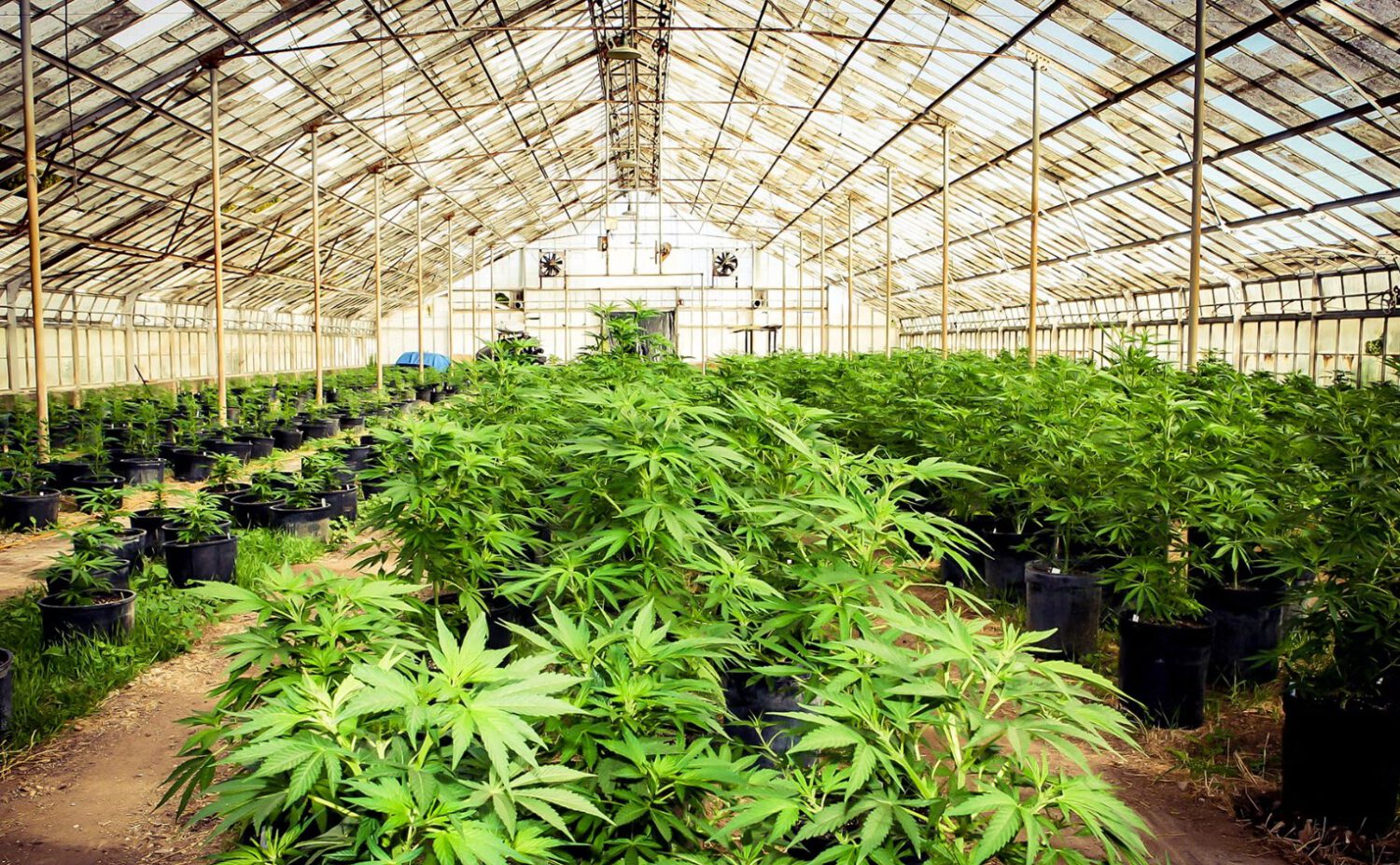
Owner Michael Ward built the 32,850-square-foot cultivation facility in 2020 for approximately $20 million, but cannabis market conditions have since gutted its economics. Ward estimates annual revenue has fallen from $6.5 million to a projected $3 million, with taxes consuming roughly 75% of that figure, according to Forbes reporting. Those are company estimates, not independently audited figures.
The conversion math is straightforward from Ward’s perspective. A cannabis buyer might offer around $3 million for the property, while a data-center developer could theoretically allow Ward to recover far more of the original investment. Ward partnered with AI data-center consultants Phil DeVries and Eric Mack to develop the concept, and Kalamazoo granted zoning clearance in April, though that approval did not constitute authorization for a fully specified or operating data center.
Public marketing of the site as a potential data-center property was followed by community backlash. Residents raised concerns about noise, electricity costs, grid overload, and water consumption.
The City Shut the Door Before an Application Arrived
Kalamazoo’s unanimous moratorium illustrates how regulatory risk can freeze a speculative conversion before it reaches the planning stage.
Kalamazoo commissioners unanimously approved a moratorium in August 2026, covering data centers, AI data centers, cryptocurrency-mining facilities, and battery-energy-storage systems. The pause runs through August 16, 2027, while the city studies zoning rules and potential impacts. Harbor Farmz had not submitted a formal development application as of August 17, 2026, when the moratorium passed, according to city attorney Aaron Leal.
Where the Logic Holds Up
Some cannabis facilities do carry features that data-center developers value, but those features vary widely from property to property.
Certain cultivation sites offer industrial HVAC, climate-controlled rooms, electrical infrastructure, fiber connectivity, and physical security systems. Commercial real-estate lawyer Jeffrey Moerdler has identified a potential market for regional facilities in the 10-to-50-megawatt range as power availability and large land parcels grow scarcer in established markets. That opportunity is real, in his view, though it represents opinion rather than a measured market outcome.
Forbes reported that Harbor Farmz carries 1.5 megawatts of current electrical capacity, with a company claim of potential expansion to 15 megawatts over time. Oracle’s planned facility for OpenAI in Saline, Michigan, is expected to begin at approximately 1.5 gigawatts. That figure is roughly 1,000 times Harbor Farmz’s reported current supply, a ratio that captures the scale gap separating most cannabis conversions from what hyperscale customers actually require.
Where Most Pitches Fall Apart
Scale, confirmed power, and local approval all have to align simultaneously, and they rarely do.
Daniel Tropp of AEBOV notes that the average cannabis cultivation facility runs about 20,000 square feet, while the average data center covers roughly 100,000 square feet and demands substantially more power. Las Vegas listing agent Ryan Misaresh has warned that utilities can reduce or reclaim power allocations when a property is not actively consuming them. Advertised electrical capacity is not the same as guaranteed electrical capacity.
Tropp called most cannabis-to-data-center pitches wishful thinking. Rare exceptions exist only when power, water, HVAC, fiber, square footage, and local approvals align simultaneously.
A Pattern Playing Out Across North America
Similar conversions are being tested elsewhere, with results that range from a credible offer to a state-level ban.
A former cannabis facility in Saskatchewan with roots in Prairie Plant Systems and CanniMed, later associated with Aurora Cannabis, covers roughly 130,000 square feet, includes 7 megawatts of power and 10-gigabit-per-second fiber connectivity, and reportedly received an offer from a data-center operator; that offer is not a completed transaction. In Las Vegas, cannabis company Jade marketed a 10,000-square-foot property with possible access to up to 5 megawatts, though listing agent Misaresh flagged that figure as uncertain. Weed Inc.’s data-center concept for a former New York golf-course property ran into a state-level development ban.
Real-estate analyst Alexander Goldfarb has compared the current enthusiasm to earlier cycles centered on condominiums, retail, and life-science properties. In each cycle, a hot sector temporarily inflated the perceived value of otherwise difficult assets.
The Narrative Outpaces the Market
The Harbor Farmz moratorium is the clearest illustration of the gap between an exit story and an exit market.
The AI boom gives distressed cannabis operators a story to tell. It does not automatically provide a utility commitment, a signed tenant, or community approval. Harbor Farmz had not filed a formal application as of the August 17 commission meeting, which means the exit narrative arrived well before anything resembling an exit market did.