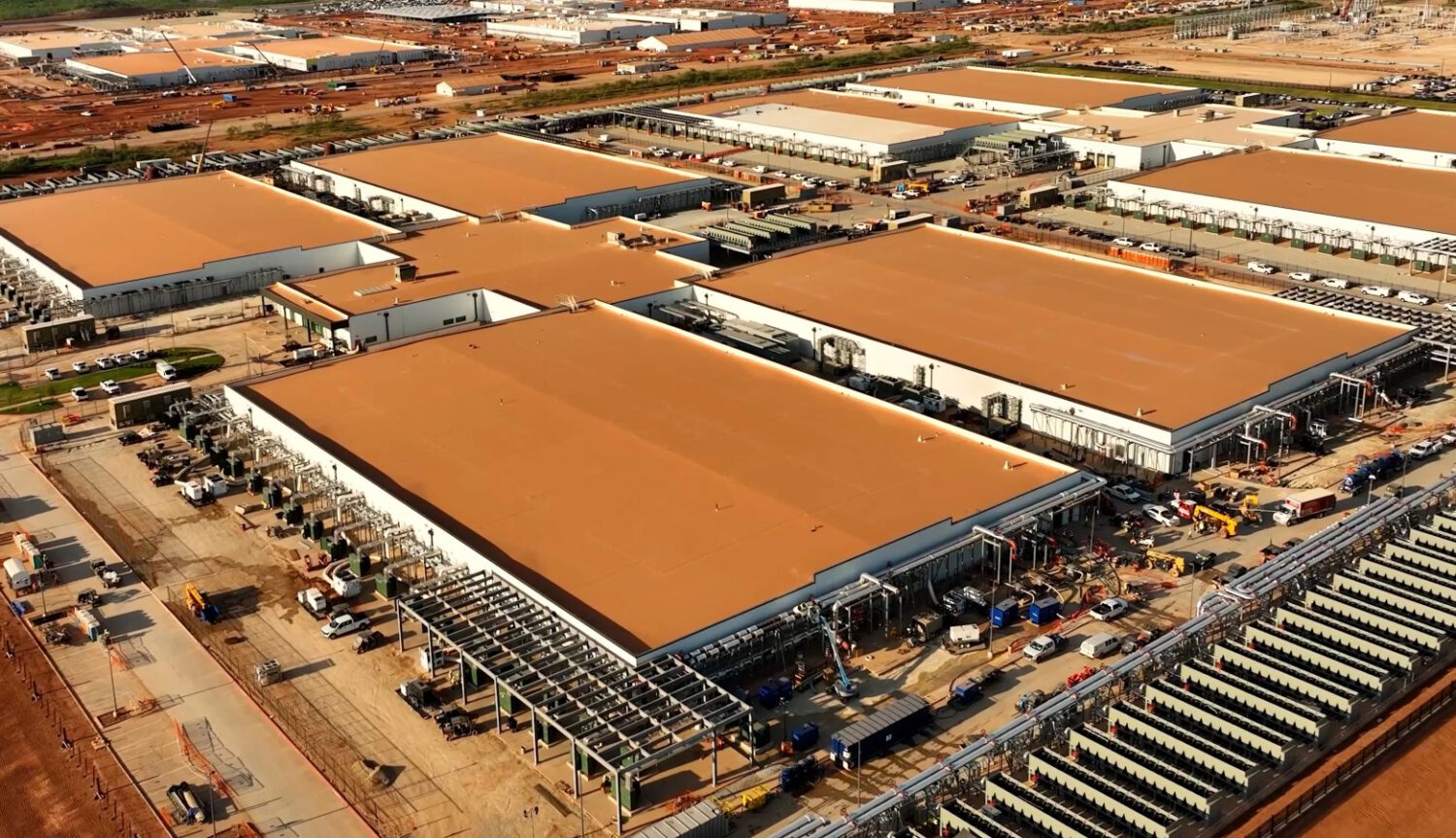
A University of Virginia National Security Institute survey of 809 American adults found that opposition to locating a data center within 10 miles of home exceeded opposition to a nuclear power plant nearby. Participants were randomly assigned to evaluate one facility type rather than asked to rank all four options against each other, a design worth noting when interpreting the result. Even so, the finding suggests that resistance to AI infrastructure is not a fringe concern. The scale of that resistance is reflected in data on water consumption and electricity demand tied to these facilities.
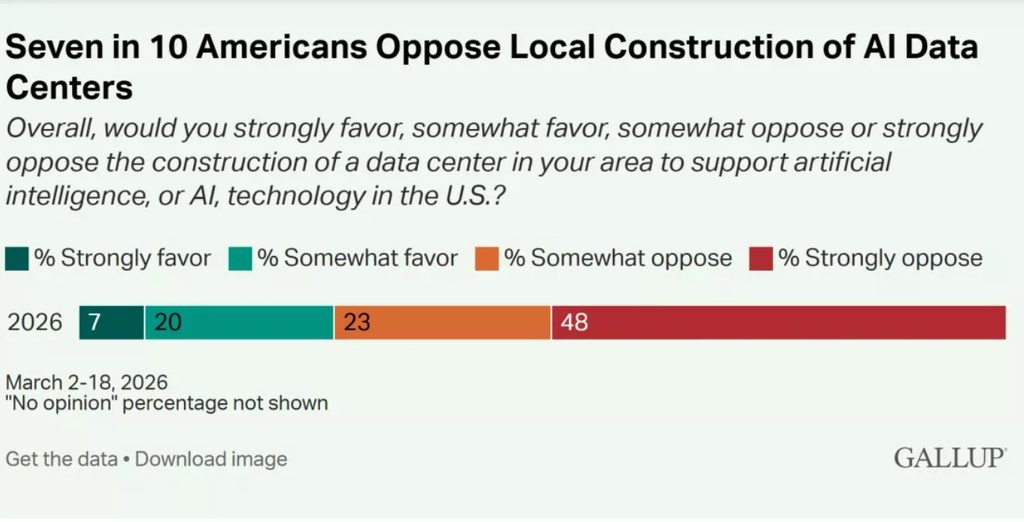
The Rebrand OpenAI Is Proposing
“Compute campuses” is the term OpenAI is proposing for the facilities powering its AI systems.
According to Business Insider, an OpenAI spokesperson confirmed the company’s preferred terminology and explained the reasoning directly: “Compute campuses better describes the scale and role of the infrastructure we’re building for AI. These are long-term investments in computing, energy infrastructure and skilled work.” The same spokesperson described an intended relationship with host communities: “We want the communities hosting that infrastructure to help shape it and share in the opportunities it creates.”
The word “campus” carries associations with skilled employment, long-term presence, and community integration. “Data center,” by contrast, tends to evoke industrial energy consumption, server noise, and restricted-access facilities.
Why Communities Push Back
The concerns driving opposition are concrete, not semantic.
Residents near existing and proposed facilities have raised a consistent set of objections. Those include noise from cooling systems, heavy water consumption, surging electricity demand, pressure on local utility rates, AI data centers land use conflicts, and effects on property values. Coverage from Business Insider and Bisnow has characterized the proposed rebrand as a response to community-relations challenges rather than a resolution of them. These concerns can impose material costs on specific neighborhoods and municipalities.
The Gap Between Language and Commitments
The available reporting does not specify what host communities will actually receive or how their input will shape decisions.
Renaming a facility does not by itself change its power draw, water consumption, or noise profile. What specific benefits host communities will receive, and how those benefits will be legally guaranteed, remains unclear in the available reporting. OpenAI has not specified publicly how residents would participate in site selection. Nor does the cited reporting clarify who absorbs costs for expanded electricity, water, and road infrastructure, or what disclosures OpenAI plans to make about projected local noise levels, emissions, and utility-rate effects. For comparison, Meta has made enforceable commitments around skilled work as part of its data center expansion strategy.
Those are not peripheral details. They are the questions that determine whether a host community comes out ahead or absorbs costs it did not negotiate.
A Label in Search of a Definition
The central uncertainty is whether “compute campus” describes a different kind of facility or simply a different name for the existing kind.
OpenAI’s framing presents its infrastructure as something broader and more reciprocal than a conventional data center. Whether that framing reflects a genuinely different model of community engagement, with enforceable commitments and real participation mechanisms, remains unanswered. The available information does not yet resolve whether this is a structural shift or a public-relations adjustment applied to otherwise unchanged operations.