Transplanted human stem cells survived in brain tissue damaged by stroke in mice, developed into neurons, and connected with existing brain circuitry, according to two peer-reviewed studies from the University of Zurich. The treated mice also showed improved motor performance on behavioral tests. These are preclinical results in mice, not an available treatment, and human benefit remains unproven.
What the Researchers Did and Found
Human neural progenitor cells took root in damaged mouse brains, formed new neurons, and improved motor performance on a climbing test.
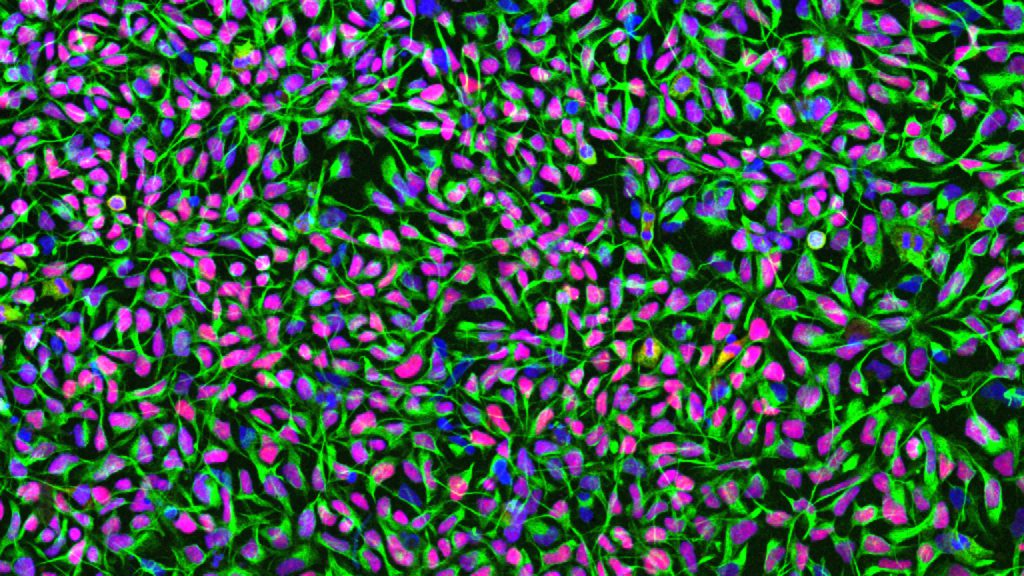
Scientists at the University of Zurich reprogrammed human somatic cells into induced pluripotent stem cells. They worked with collaborators at the University of Southern California and Kyoto University’s Center for iPS Cell Research and Application, then directed those cells toward a neural progenitor fate.
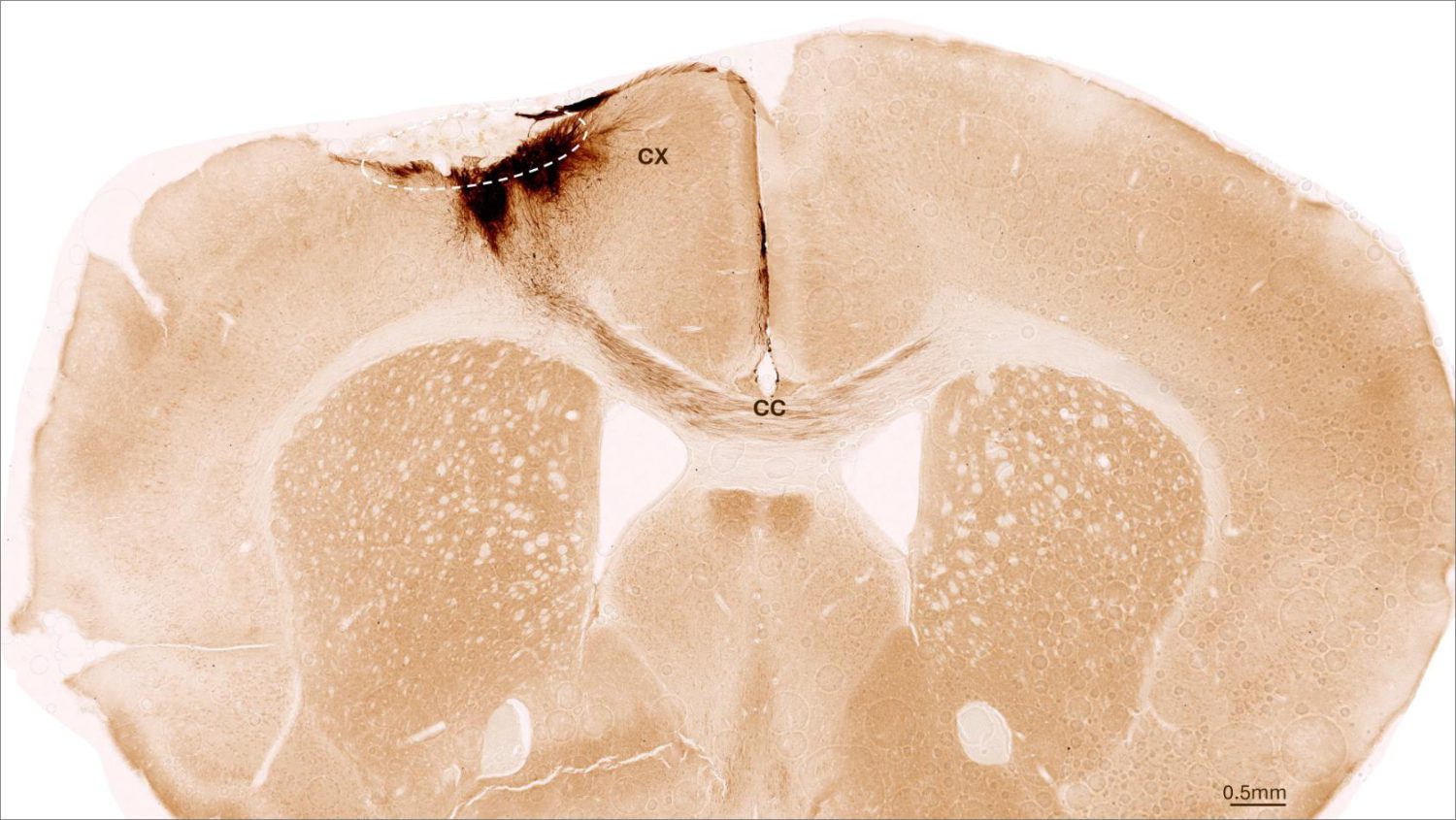
Those neural progenitor cells were transplanted into brain regions damaged by experimentally induced ischemic stroke in mice.
The grafted cells survived the full five-week analysis period. Most developed into neurons, and those neurons formed connections with the host mouse brain cells.
“We found that the stem cells survived for the full analysis period of five weeks and that most of them transformed into neurons, which actually even communicated with the already existing brain cells,” said Christian Tackenberg, scientific head of division at the University of Zurich’s Institute for Regenerative Medicine.
Treated mice showed improved motor performance on a climbing task and significantly improved gait compared with untreated control animals. Researchers measured movement recovery partly through AI-assisted behavioral analysis. The long-term recovery study was published in Nature Communications in September 2025.
Beyond New Neurons: Broader Tissue Repair and a Timing Clue
Transplanted cells appeared to promote blood vessel growth and reduce inflammation, not just replace lost neurons.
The transplanted cells did not simply fill the gap left by dead neurons. They also appeared to promote other biological repair processes in surrounding tissue, including increased blood vessel growth in the damaged cortex, reduced inflammation, and improved integrity of the blood-brain barrier. The blood-brain barrier is the selective boundary that, when damaged by stroke, allows harmful substances and immune signals to enter brain tissue.
“Our findings show that neural stem cells not only form new neurons, but also induce other regeneration processes,” Tackenberg said.
A separate study, published online in Advanced Science in May 2025, found that transplantation performed one week after stroke produced better initial graft survival than transplantation performed immediately after the event. That window could give clinicians time to prepare a cell therapy after emergency stroke care concludes. The finding still requires confirmation in further animal studies before it can inform clinical planning.
What the Results Cannot Yet Tell Us
Mouse studies cannot establish safety or effectiveness in people, and several significant obstacles remain before human testing could begin.
The studies were conducted in mice, so the findings do not establish that the therapy will restore movement or speech in humans. Animal models do not fully reproduce human stroke biology, immune responses, or recovery patterns.
The researchers used mice with modified immune systems to reduce the likelihood of rejection of the human cells. That approach helped test cell behavior but does not replicate the full immune complexity of a human patient.
The production protocol, developed with Kyoto University, avoided animal-derived reagents, which may simplify some manufacturing and regulatory steps. That alone does not establish clinical readiness.
Direct injection into damaged brain tissue is invasive. The research team is investigating endovascular delivery, a method that would introduce cells through blood vessels rather than through neurosurgery.
Uncontrolled cell growth is a recognized safety concern for stem-cell-derived therapies. Researchers are developing a biological safety switch designed to stop transplanted cells if abnormal growth begins.
No human dose, long-term safety profile, or clinical trial timeline has been established. Confirming long-term durability, refining delivery methods, and demonstrating safety in broader animal models are the priorities that must come before human testing.