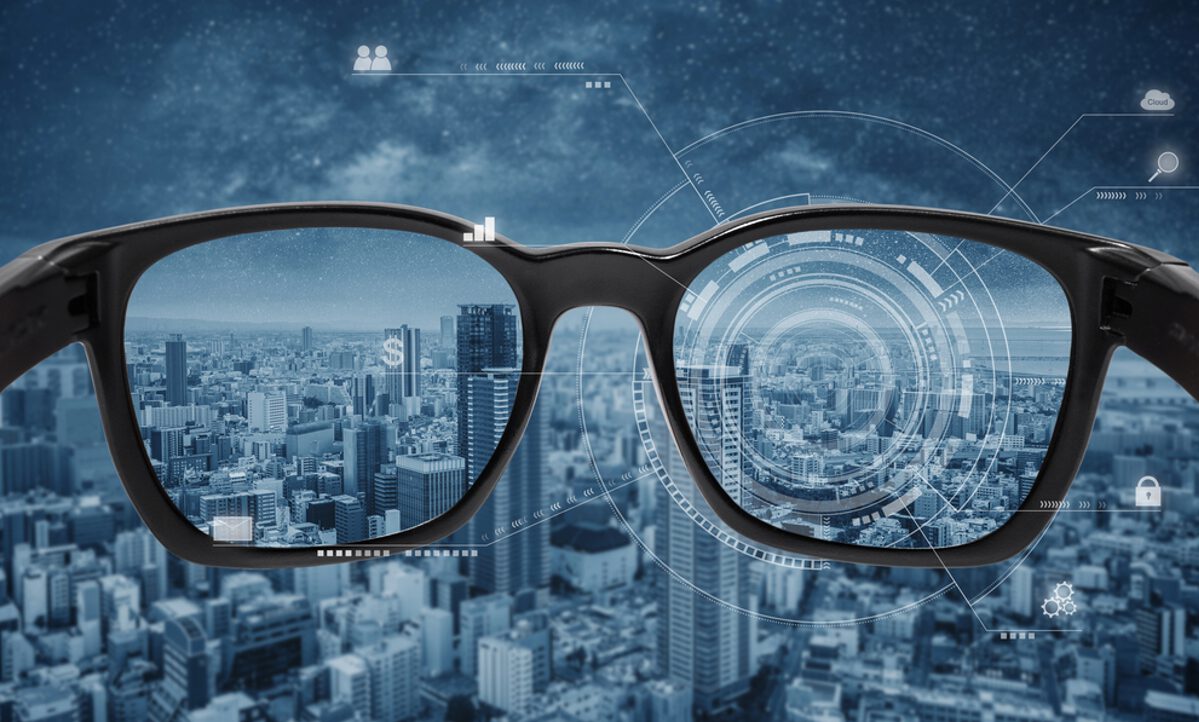
Cheating just went from hidden notes to hidden cameras. Students in China are renting AI-powered smart glasses for $6-12 per day, transforming any exam into an open-book test. These devices, including Ray-Ban Meta and Rokid models, look identical to regular eyewear but pack cameras, microphones, and AI processing power. Traditional exam security faces new challenges—these glasses can photograph questions, query AI systems, and deliver answers through nearly invisible audio feedback.
The Tech Behind Academic Fraud
The Ray-Ban Meta glasses capture photos of exam questions while built-in AI processing processes them instantly. Students receive answers through paired earbuds or voice prompts that sound like casual throat-clearing. Rokid models add in-lens displays for silent answer delivery, making detection nearly impossible. These aren’t clunky prototypes—they’re polished consumer products launched in September 2025 that blend seamlessly into any classroom.
Enforcement Scrambles to Catch Up
China has banned smart glasses from college entrance and civil service exams, but spotting violations requires trained supervisors hunting for tiny camera lights. The US College Board will prohibit them from SATs starting March 2026, including prescription models. American teachers already report catching students live-streaming exams or using voice commands during tests, though some administrators cave to parental pressure about medical accommodation needs.
Privacy Invasion Goes Beyond Cheating
The problem extends far past academic dishonesty. Research from 2024 found one in five smart glasses users admit to non-consensual recording of others. Harvard students demonstrated using Ray-Ban Meta glasses for real-time facial recognition of strangers—imagine that capability in your child’s school. These devices turn every classroom interaction into potential surveillance footage, uploaded to the cloud without consent.
When Innovation Outpaces Integrity
Can schools maintain testing validity when students carry AI computers disguised as eyewear? The rental market proves this isn’t isolated cheating but organized circumvention of academic assessment. Like trying to ban smartphones in the iPhone era, institutions face an arms race between consumer technology and educational integrity. The question isn’t whether smart glasses will reshape testing—it’s whether schools can adapt fast enough to preserve meaningful evaluation.