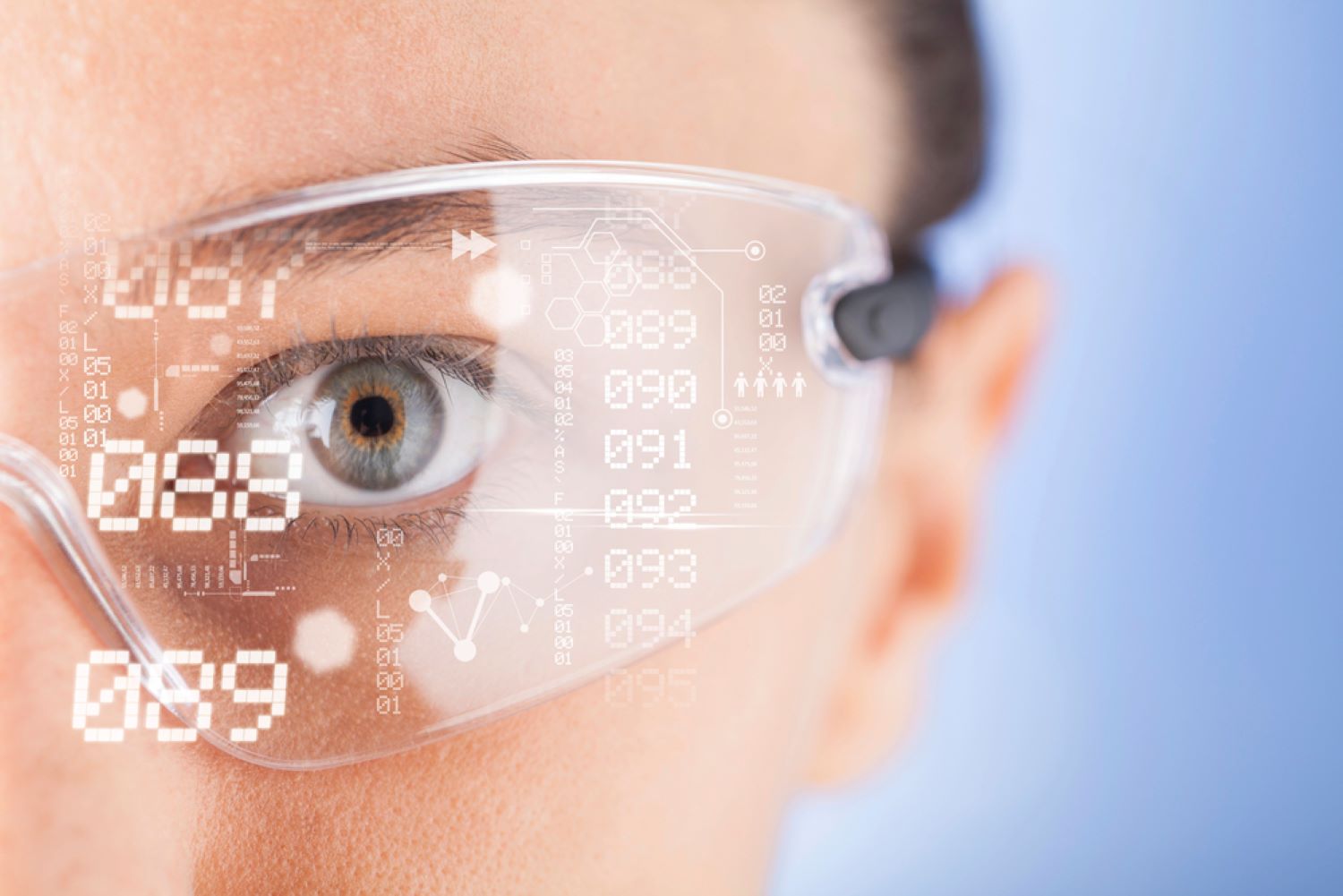
The Gwangju District Prosecutors’ Office indicted the examinee under South Korea’s National Technical Qualifications Act after he allegedly used AI-powered smart glasses during a May fire protection engineer licensing exam, according to the Chosun Ilbo. He admitted developing an AI application specifically to work with the glasses and wanted to test whether it could generate correct answers in a live setting. Two other men were caught pulling the same move around the same time.
This wasn’t a college kid gaming a midterm. This was a professional certification that determines who gets to design fire safety systems in buildings where people live, work, and sleep.
How the Cheat Actually Works
Smart glasses can capture, process, and return exam answers without a single visible gesture — like having Q from a James Bond film sitting on your nose.
The technical chain is almost absurdly simple:
- A camera flush with the frame photographs exam questions.
- Those images route to AI language models that generate answers.
- Results appear on the inner lens display or arrive through bone-conduction audio — sound transmitted through your skull, inaudible to the person sitting next to you.
Modern smart glasses, including Meta’s Ray-Ban line, are deliberately designed to look like ordinary prescription frames. No blinking lights, no obvious sensors. Traditional proctoring never stood a chance.
“Smart glasses threaten standardized testing’s fundamental fairness,” the College Board stated in announcing its own ban.
Where Bans Are Already in Effect
From Seoul to the SAT testing room, exam authorities are treating smart glasses like contraband — and the rules are tightening fast.
- South Korea banned AI smart glasses from all exam halls and convened emergency meetings to draft enforcement rules.
- China’s gaokao regulations now treat mere possession of smart glasses in an exam room as cheating — intent doesn’t matter, only presence does.
- The College Board prohibited smart glasses from the SAT starting March 2026, requiring students with prescription smart eyewear to remove them or reschedule.
- The UK’s Ofqual has issued similar warnings, with high-stakes exams there treating AI eyewear on par with hidden earpieces.
When Credentials Stop Meaning Anything
A fire protection license exists because someone has to know how to save lives in a burning building — and AI glasses just made that guarantee shakeable.
This is the AI-written essay crisis, except with criminal stakes and public safety consequences attached. If a language model can pass your professional licensing exam through a pair of glasses, the credential becomes noise — like a verified checkmark that anyone can buy. China’s Ministry of Education guidance makes the regulatory logic plain: the risk posed by the device itself matters more than proving intent. That strict-liability thinking is spreading precisely because the alternative — asking proctors to spot cameras flush with a frame — isn’t realistic at scale.
The gadget itself hasn’t changed — the legal and professional context around it has, dramatically and fast. If you own smart glasses and plan to sit any high-stakes exam, check the rules before you walk in. The downside is no longer a failed test. It’s a criminal record.