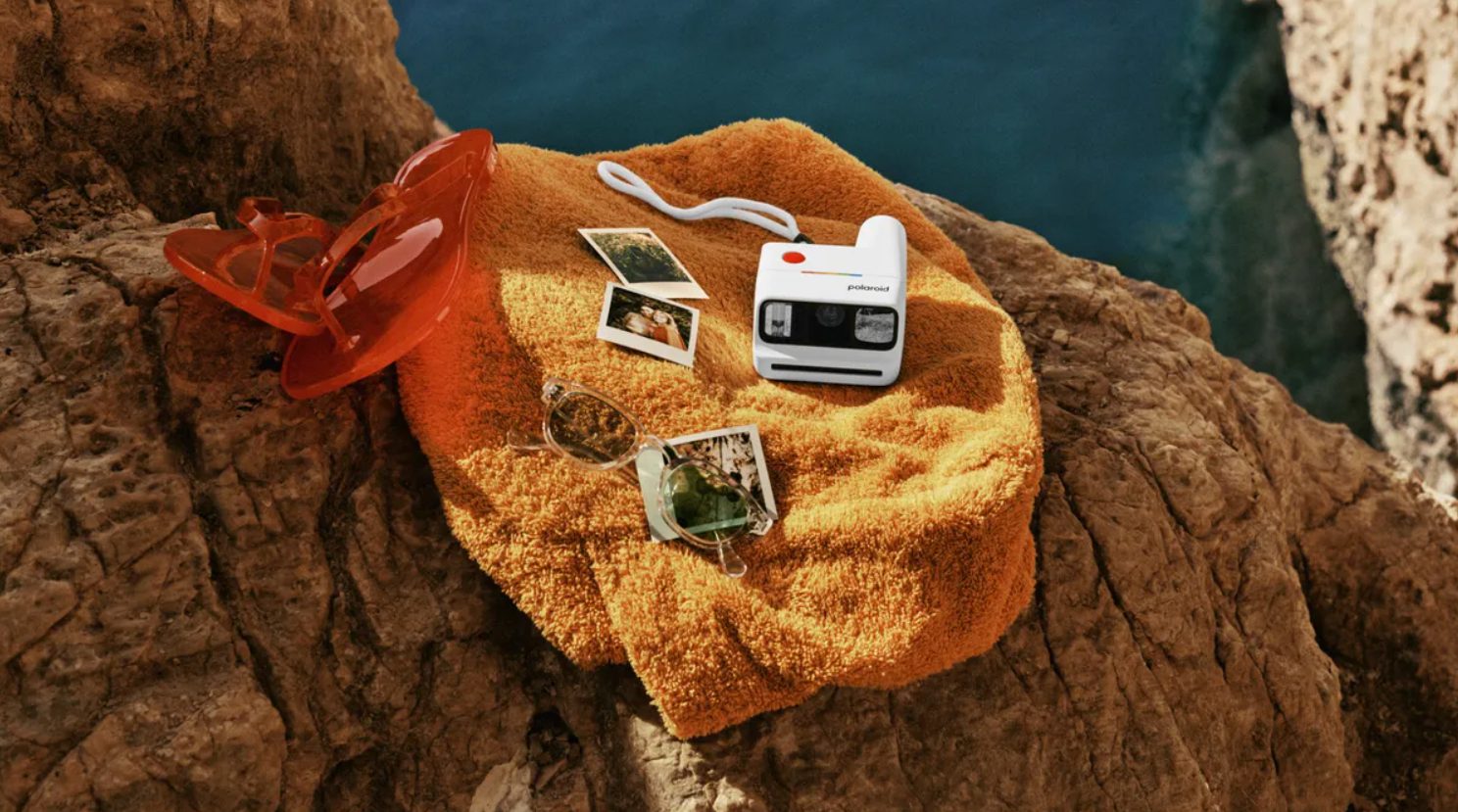
At a friend’s birthday, twelve phones emerge and every photo dissolves into cloud storage — never printed, rarely revisited. The Polaroid Go Generation 3 exists for the opposite impulse: a physical print you can hand someone before the candles cool. At $89.99, this is the world’s smallest instant analog camera, now carrying hardware tweaks that address what Gen 2 quietly got wrong. The real question is whether those fixes are meaningful, or whether this is just a fresh coat of teal paint. Shoppers browsing the best cameras for every budget will find useful context for how the Go Gen 3 stacks up.
Small Camera, Smarter Flash
Polaroid upgraded the optics and flash where Gen 2 users felt the pain most.
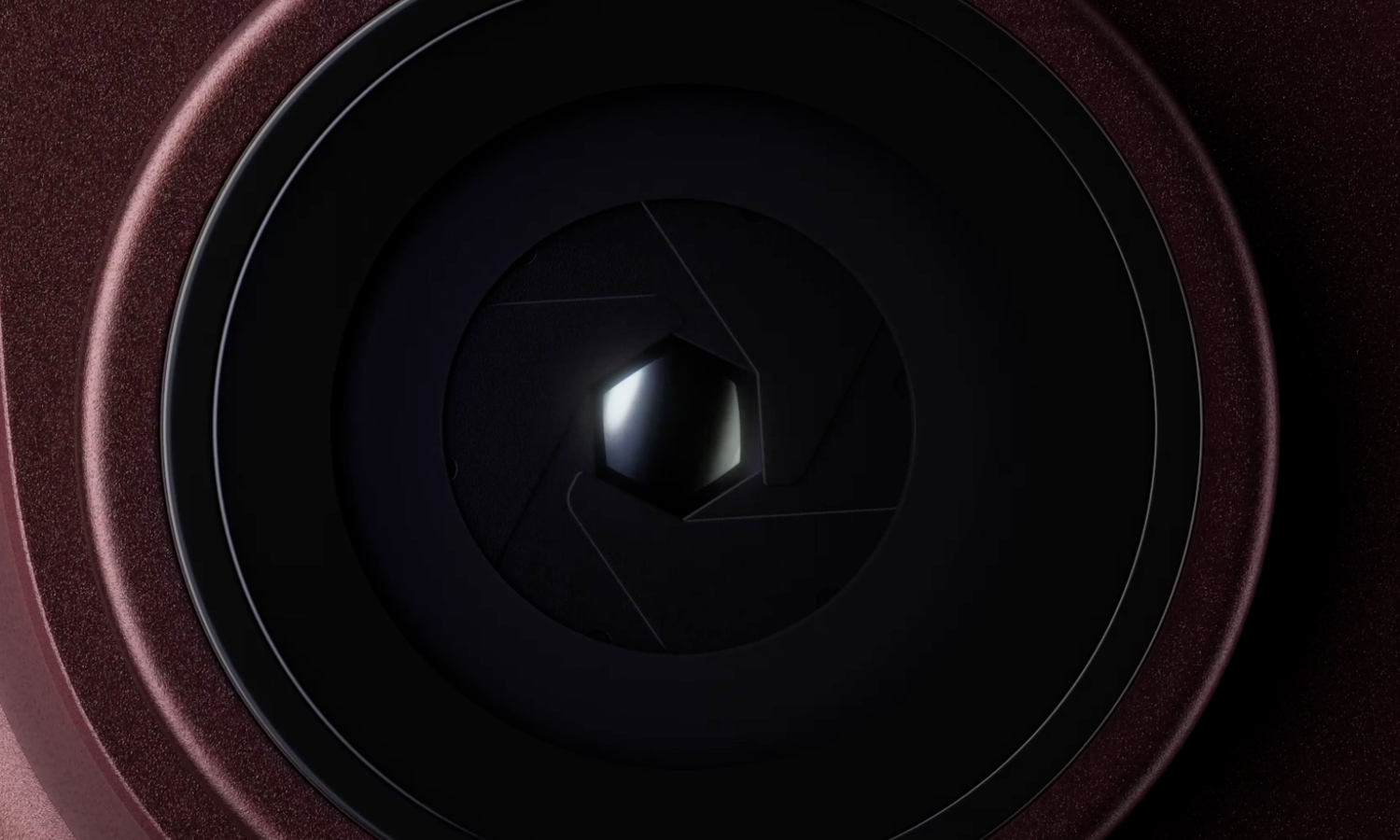
Gen 2 owners know the frustration — soft images, muddy indoor shots. The Gen 3 tackles both with a redesigned polycarbonate lens, deeper-set in the body, running a 63.75mm focal length with dual apertures of f/14.4 and f/32. Alongside the new lens, Polaroid fitted a built-in vacuum discharge flash with stronger output than the previous generation’s system, delivering better performance in dim environments. Multiple reviewers note noticeably sharper images and improved contrast as the headline improvement. The viewfinder also receives a refined eyepiece — a quiet upgrade for anyone who wears glasses, though this change has not been independently confirmed across all review sources.
Key specs worth knowing:
- Size: 106.5 x 83.8 x 64.6 mm / 251.9g without film
- Print size: 47 x 46mm image area — fits in a wallet or phone case
- Battery: Built-in USB-rechargeable Li-ion, approximately 15 film packs (~120 shots) per charge
- Film cost: ~$1.35 per shot (16-print double pack, ~$22)
The Fine Print on $1.35 Per Shot
Film cost and tighter framing are the two honest trade-offs worth understanding before you buy.
That per-shot cost lands differently than your phone’s infinite retry loop. Every botched selfie burns real money. Fujifilm’s Instax Mini alternatives generally cost less per frame and offer more exposure modes. The tighter focal length also makes group shots in cramped spaces harder to frame, and manual controls don’t exist beyond double exposure and flash toggle. You get Polaroid’s signature color quirks — slight shifts, gentle vignetting — which either delights you or doesn’t. That’s not a flaw so much as the aesthetic you’re paying for.
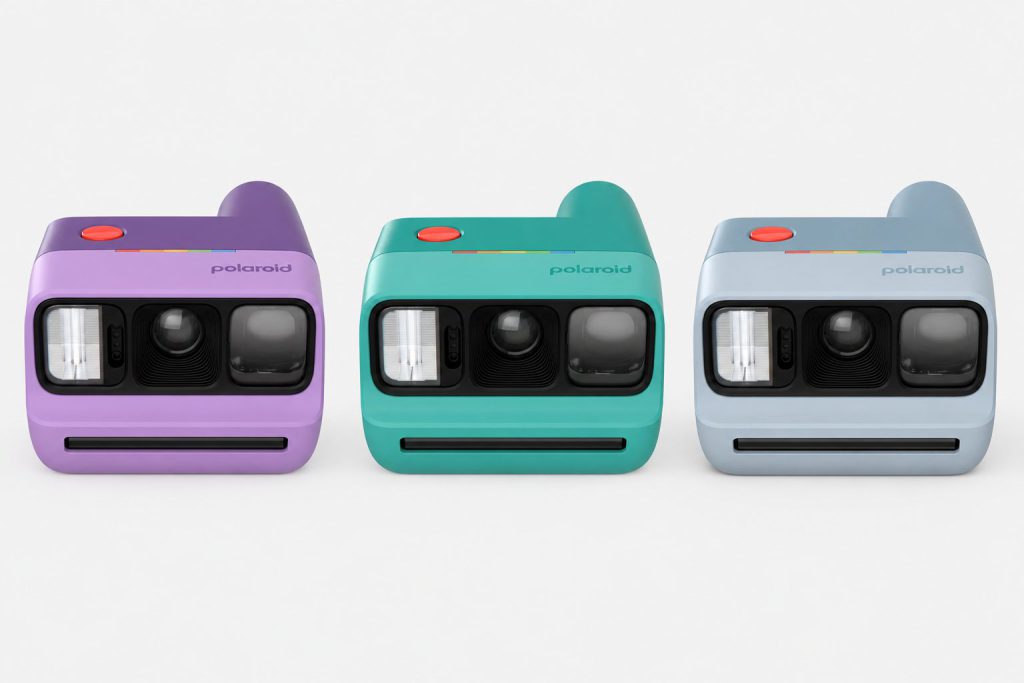
Gift shoppers and journal-keepers will appreciate five color options: light blue, purple, teal, black, and white. The selfie mirror and double-exposure mode keep creativity accessible without overwhelming a first-timer. These tiny prints — the passing-notes-in-class of the cloud storage era — are tactile in a way your camera roll will never be. Wider retail availability started June 16 through Polaroid’s site and selected retailers.
The Verdict
Gen 3 is a focused fix, not a reinvention — and that’s exactly what this camera needed to be.
Gen 3 isn’t a total overhaul. It’s a deliberate correction. If Gen 2’s soft images and inconsistent flash held you back, this upgrade justifies the price without asking for more of it. Never owned a Go? This is the version to start with. Film cost remains the only recurring tax on your nostalgia.