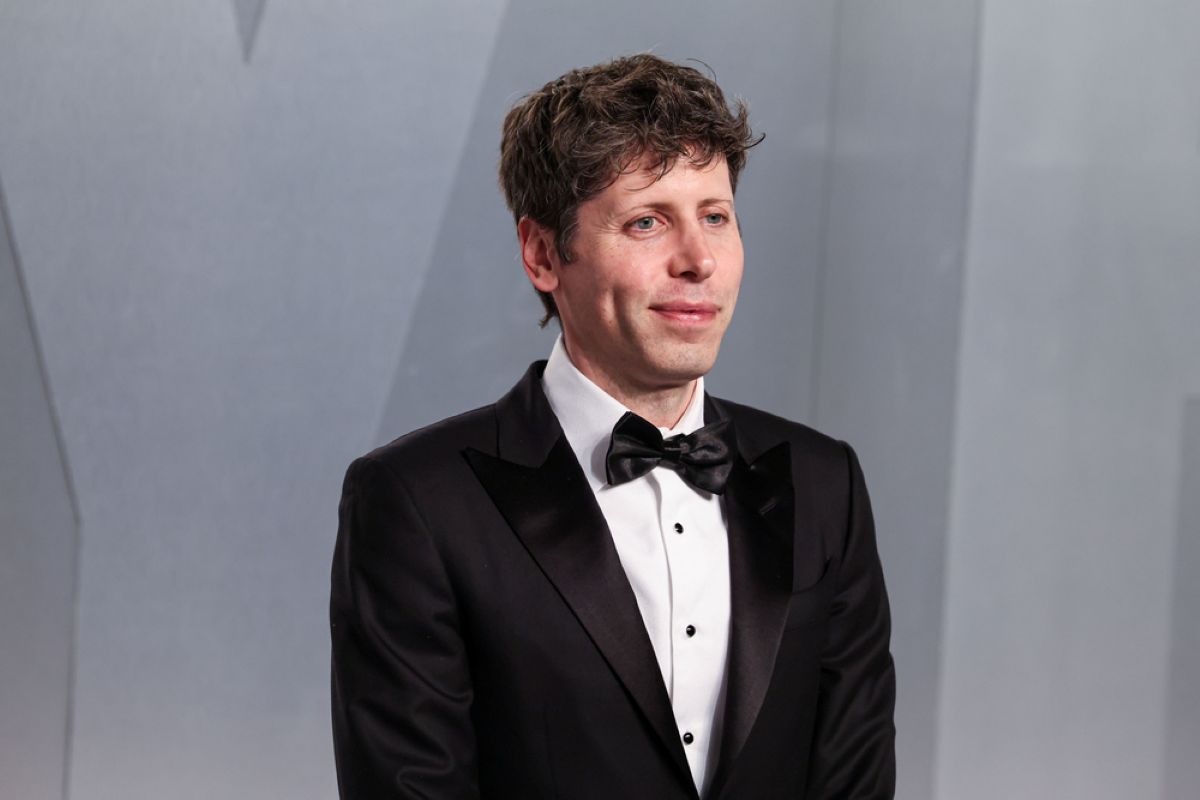
Remember when Sam Altman warned that AI would “probably replace most of the jobs people do today”? Those dire predictions have vanished faster than your Spotify Wrapped enthusiasm. The OpenAI CEO now claims he was “pretty wrong” about an AI jobs apocalypse and is “delighted to be wrong.”
This messaging shift arrives just as OpenAI eyes a path to $280 billion in revenue by 2030 and Anthropic chases a $900 billion valuation.
The Evidence Behind Altman’s About-Face
Employment data suggests job displacement has been slower than predicted, but the reasons reveal deeper market realities.
Altman points to concrete evidence for his revised stance. Yale Budget Lab research through March 2026 shows no meaningful unemployment changes for workers in high-AI-exposure jobs. His personal experiment delegating Slack responses to AI—then reverting to human replies—convinced him that people still value authentic human interaction.
The “human part” of jobs proved more resilient than his algorithms suggested.
AI Adoption Hits Economic Reality
High costs and integration challenges slow the robot takeover Altman once predicted.
The economics tell a different story than early AI evangelism. Uber burned through its entire 2026 Claude budget in just four months, with executives questioning whether they can “justify” AI costs. Microsoft reportedly canceled internal Anthropic licenses due to expenses.
When AI costs more than people, mass job replacement becomes less attractive to CFOs.
IPO Incentives Shape AI Messaging
Trillion-dollar valuations require balancing transformative promises with social acceptability.
Peter Wildeford from the AI Policy Network offers pointed skepticism about these narrative shifts. He notes that public opinion research shows Americans feel “quite negative about AI,” prompting industry leaders—”in particular Sam Altman”—to pivot from job destruction to job enhancement messaging.
Wildeford suggests it’s unclear whether AI executives genuinely changed their forecasts or just their public relations strategy. Dario Amodei at Anthropic made similar rhetorical retreats, reframing automation as productivity multiplication rather than workforce decimation.
The timing feels convenient. OpenAI needs to convince investors that AI will generate massive revenues while reassuring governments it won’t trigger mass unemployment and regulatory backlash. Whether Altman’s new optimism reflects genuine data or strategic messaging management, workers navigating AI’s impact deserve more than corporate mood swings disguised as economic analysis.