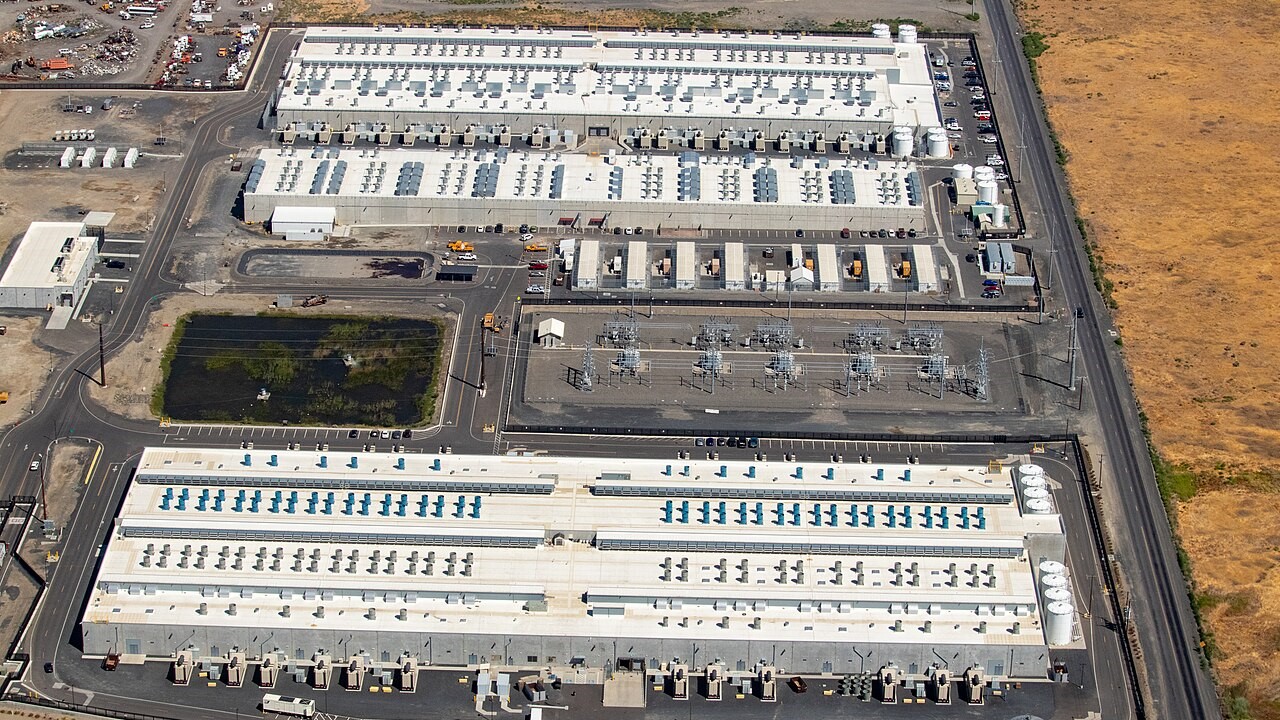
Five companies — Alphabet, Amazon, Meta, Microsoft and Oracle — have doubled their collective debt load to roughly $350 billion over five years, according to Bloomberg data reported by the Mercury News. These were firms that barely needed to borrow. They printed cash from ads, cloud subscriptions, and software licenses the way a Costco membership prints renewals. That era is finished. The five hyperscalers have pledged up to $725 billion in capital spending this year alone, mostly for AI data centers stuffed with Nvidia GPUs, a wave of investment that echoes the ambitions of the Stargate Project. The central question is brutally simple: does anyone actually know if this bet pays off?
The Numbers Behind the Bet
The borrowing accelerated fast enough to give bond traders whiplash — and the figures behind it are harder to dismiss than the hype.
Hyperscalers issued about $121 billion in new debt in 2025 — more than four times their prior annual average of roughly $28–30 billion, per Bank of America estimates published by BNY Mellon Research. Over $90 billion landed in Q4 alone. Among the biggest issuers:
- Meta ($30 billion in bonds)
- Alphabet ($25 billion)
- Oracle ($18 billion in bonds plus a $38 billion loan facility tied to AI expansion, per Citi data reported by CNBC)
Oracle’s debt hit roughly 2.5 times sales, prompting S&P Global to downgrade it to the lowest investment-grade tier. Amazon’s free cash flow turned negative in Q1 as capex outpaced cash generation, per the Mercury News. One analyst model projects aggregate hyperscaler AI demand free cash flow crosses below zero around Q3 2026. Oracle already sits at -$24 billion. Morgan Stanley estimates roughly $1 trillion in off-balance-sheet purchase commitments and $800 billion in future leases that don’t yet appear as formal liabilities — meaning headline debt numbers understate the full exposure.
“The nature of these businesses is changing very dramatically, and it’s changing abruptly. That’s why their cash flow is so depressed right now.” — Gil Luria, DA Davidson
Faith, Debt, and the Intel Warning
Executive confidence is running high, but credit analysts and equity markets are telling a noticeably different story.
Amazon CEO Andy Jassy says he has “high confidence this will be monetized.” Zuckerberg told Bloomberg that demand for AI compute “continues to outstrip supply.” Executives sound certain. Credit analysts sound less so.
“I don’t know that we know whether Amazon, Google, Microsoft and Meta are actually going to get a return on investment on this. It seems like a lot of demand hype that is very aspirational at this point.” — Jason Pompeii, Fitch Ratings
Only Alphabet’s stock has outperformed the S&P 500 this year. Microsoft and Oracle shares are both down more than 20%. The telecom debt boom of the early 2000s — billions borrowed for infrastructure before demand materialized — rhymes uncomfortably with the current moment. Intel stands as the freshest warning: once dominant, debt-laden from expansion, wrong bet on manufacturing, now projecting its third consecutive annual loss in 2026 after requiring a US government bailout and investment from Nvidia to stabilize.
Goldman Sachs projects $5.3 trillion in tech capex through 2030. If AI demand meets the wager, these five companies will lock in control of infrastructure for a generation. If it doesn’t, the result would stand as the most expensive act of institutional faith in corporate history — with creditors already circling.