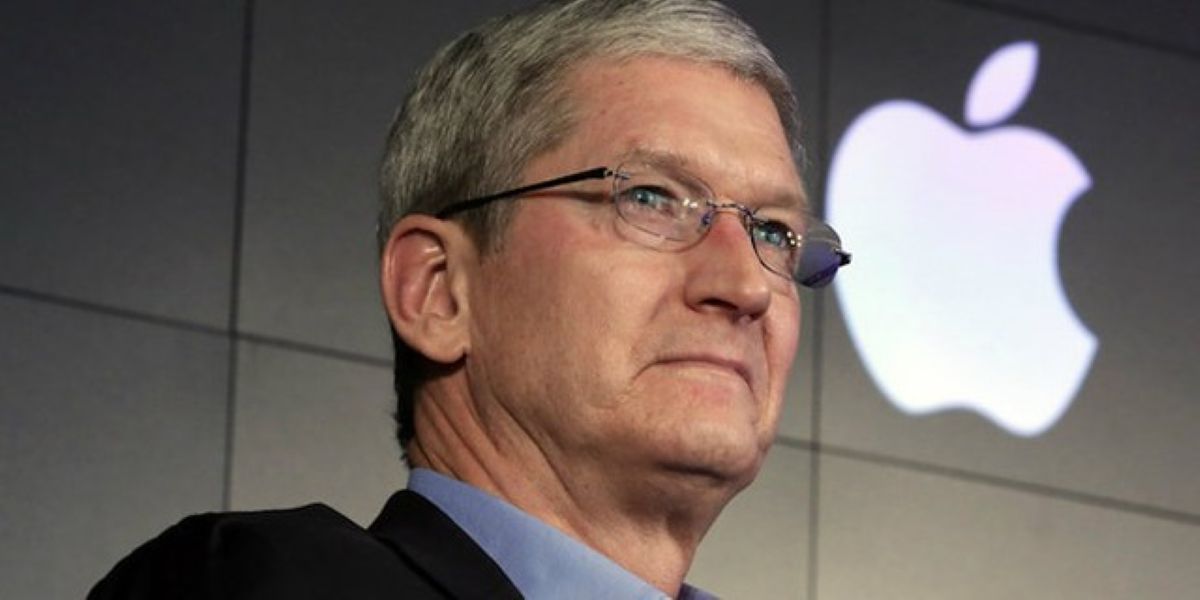
The memory chips inside your next iPhone could cost four times what they did last year. TechInsights data reported by the Wall Street Journal pegs memory and storage content in an iPhone 17 Pro at roughly $50. For the upcoming iPhone 18 Pro, that same component bill sits around $200. The culprit isn’t tariffs or corporate greed — it’s AI data centers hoovering up the world’s memory supply like bots clearing out a concert presale. Tim Cook told the Wall Street Journal that price increases are “unavoidable,” and Apple has already bumped MacBook prices $100 to $400 across the lineup, according to the New York Post. If you planned to upgrade this fall, your budget just got more complicated.
What’s Actually Driving the Price Jump
AI infrastructure is outbidding Apple for the same chips inside your phone, laptop, and tablet.
Samsung and SK Hynix are steering production toward high-bandwidth memory for AI servers — higher margins, guaranteed demand. That leaves less DRAM and NAND for consumer devices. Apple entered 2026 with pre-bought stockpiles that cushioned the early blow, but Cook warned those reserves are thinning fast. “There’s less supply at a time when consumers want devices and the memory guys are passing along huge price increases,” Cook said in his Wall Street Journal interview.
Here’s what the numbers look like right now:
- Memory and storage content in the iPhone 17 Pro cost roughly $50 (TechInsights via WSJ); the same components for the iPhone 18 Pro are estimated at around $200 — approximately four times higher
- TechInsights estimates Apple may need to add roughly $270 to flagship pricing to preserve margins, potentially pushing iPhone 18 Pro toward $1,299–$1,399
- The 13-inch MacBook Air already jumped from $999 to $1,099; MacBook Pro configurations rose $100–$400, per the New York Post
- Analyst Ming-Chi Kuo suggests Apple may hold base iPhone 18 pricing flat while shifting hikes onto Pro, Ultra, and higher-storage tiers, according to MacRumors
All iPhone 18 price projections are analyst estimates based on component cost modeling — not official Apple figures.
What This Means for Your Upgrade Plans
Existing models keep current pricing while inventory lasts, but the era of paying more for the same experience has officially reached hardware.
Shoppers eyeing an iPhone 18 Pro should plan for sticker shock. Apple historically absorbed commodity swings through scale and multi-year supply contracts — surviving tariffs, pandemic shortages, and currency swings with relatively modest consumer price changes. This time is structurally different. AI workloads create sustained, structural demand for high-end memory, not a cyclical blip that resolves itself in a few quarters. “Unfortunately, price increases are unavoidable. We’re doing our best to mitigate the huge increases that are being passed to us… but the situation has become unsustainable.” — Tim Cook, Wall Street Journal, as reported by Fox Business
Morgan Stanley modeling cited by the Wall Street Journal suggests fully offsetting memory costs would require roughly 34% smartphone price increases industry-wide. Apple won’t go that far. The deeper question is how long AI infrastructure demand keeps consumer hardware prices elevated. Every phone maker, PC brand, and console manufacturer faces the same math. Based on current analyst forecasts, don’t expect meaningful relief before 2027.