A secondary report attributed comments to Take-Two CEO Strauss Zelnick warning that the company is strengthening technical and legal defenses against AI-assisted reverse engineering.
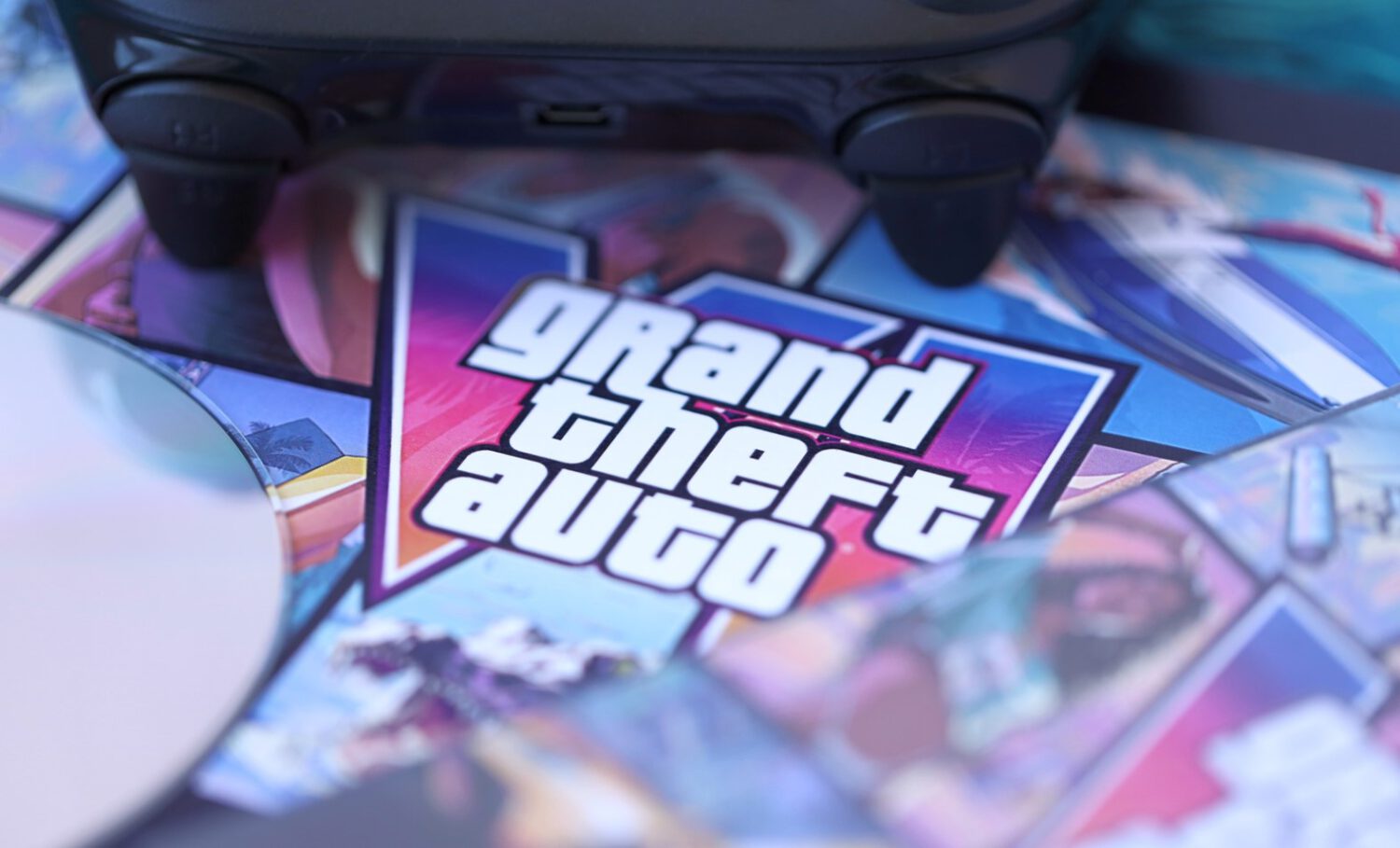
GTA 6 arrives on PlayStation 5 and Xbox Series X/S on November 19, 2026. A PC release date remains unconfirmed, with unverified reports pointing to a possible first-quarter 2027 window.
According to that reporting, Zelnick framed the concern less as a revenue crisis and more as a creative one. His argument, as paraphrased, is that players want the experience Rockstar intended to deliver.
How the Hypothetical Port Would Even Work
This scenario is theoretical, not a confirmed development.
The scenario under discussion starts with jailbreaking a PS5 and extracting the GTA 6 build. Generative AI tools would then be used to recompile that code for PC.
Former Rockstar North technical director Obbe Vermeij raised this possibility publicly. He reportedly estimated that token costs alone could run into the tens of thousands of dollars, and he expected any result to be noticeably worse than what Rockstar would produce through an official port.
No publicly confirmed project exists. The scenario reflects capabilities present in the AI toolchain, not evidence that anyone has completed such a build.
What “Enhanced Defenses” Actually Means
Take-Two’s response, as described in secondary reporting, combines IP enforcement with technical protection.
Zelnick reportedly described piracy broadly as a manageable but real problem for the entertainment business. Take-Two’s stated response pairs technical protections with expanded legal activities.
Any unauthorized build that surfaced publicly could face takedown requests or litigation. The legal exposure for anyone distributing such a build would be substantial. For context on how video games have historically faced legal and distribution challenges, precedents exist across the industry.
Why an Unofficial Build Would Be a Worse Version of the Game
An unofficial PC build would lack the online services, anti-cheat systems, and platform optimization that come with an official release.
Even a technically bootable unofficial PC build would not replicate Rockstar’s online infrastructure or anti-cheat systems. Platform-specific optimization, the kind that comes only with an official release, would also be absent.
Take-Two’s filings confirm that the company protects proprietary software and services against copying and reverse engineering. Those same filings do not, in the sources reviewed, verify specific details about what a hypothetical GTA 6 port would or would not include.
The Timing Question Vermeij Raised
Vermeij suggested piracy pressure could theoretically influence Rockstar’s PC release schedule, though nothing has been confirmed.
Vermeij reportedly suggested that the threat of an unofficial port might push Rockstar toward releasing its PC version sooner. He also suggested it could narrow the gap between the console and PC launches.
Take-Two has not confirmed any change to its release plans. The reported Q1 2027 PC timing has not been confirmed in any official materials reviewed.
What Is and Is Not Confirmed
The verified facts are narrow; most of what surrounds this story remains attributed to secondary reporting or described as hypothetical.
What the available evidence supports: Take-Two recognizes piracy, reverse engineering, and AI-related risks as ongoing concerns, and secondary reporting attributes public comments on this topic to Zelnick. What the available evidence does not support: a working unofficial PC port of GTA 6, a confirmed change to Rockstar’s release plans, or a primary transcript of Zelnick’s remarks.
Rockstar has not announced a PC release date in any official materials reviewed. The reported Q1 2027 window and speculation about AI tools replicating a full Rockstar port in a compressed timeline both remain unverified.