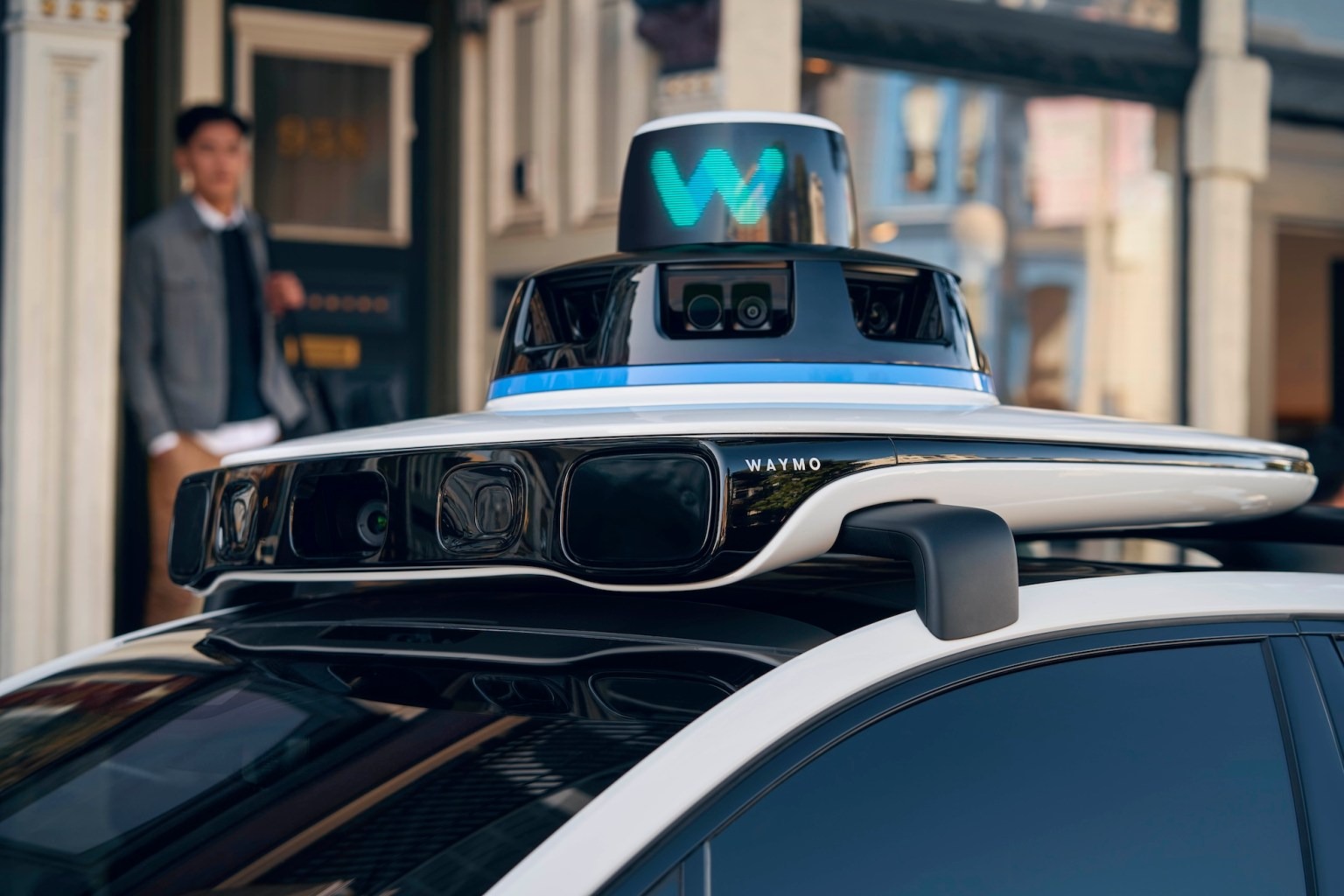
Governor Kathy Hochul just delivered a master class in election-year politics by withdrawing her robotaxi proposal, leaving Waymo’s aggressive expansion plans looking more like wishful thinking. The company aimed for over 1 million weekly paid rides across 20 cities by 2026—but apparently didn’t account for the voting power of New York’s taxi workforce. Hochul’s spokesperson cited “insufficient stakeholder support,” which translates roughly to: “We counted votes and labor wins.”
The Proposal That Never Had a Chance
Waymo’s upstate testing plan collided with electoral math and union organizing power.
The withdrawn proposal would have allowed autonomous vehicle companies to operate driverless services outside New York City without human safety operators—essentially giving Waymo free rein in upstate markets. But timing matters in politics, and proposing job-killing automation during an election year while positioning yourself as a working-class champion reads like political malpractice. Even limiting operations to areas outside NYC couldn’t overcome the optics problem.
When 170,000 Drivers Speak, Politicians Listen
Taxi Workers Alliance president calls Hochul’s initial support a misreading of the political moment.
Taxi Workers Alliance President Bhairav Desai didn’t mince words, calling the proposal a “terrible reading of the political moment.” He’s got the numbers to back up that assessment: roughly 170,000 TLC-licensed drivers operate traditional taxis, Ubers, and Lyfts across the city. These drivers have already weathered financial devastation from ride-hailing disruption—some pushed to suicide by the economic pressure. Proposing further automation to this constituency borders on political suicide itself.
Waymo’s NYC Foothold Hangs in Balance
Current eight-vehicle pilot expires April 1, forcing the company to recalibrate its East Coast strategy.
Waymo currently operates eight test vehicles in Manhattan and downtown Brooklyn under former Mayor Adams’ approval, but that authorization expires April 1. Co-CEO Tekedra Mawakana remained diplomatically optimistic, suggesting upstate operations would “grow more fans” for the technology. Markets registered the setback with Alphabet shares dropping 1% before recovering, while Tesla fell 1.8%.
The Precedent That Could Reshape Robotaxi Rollouts
New York’s rejection signals that organized labor can effectively block tech deployment nationwide.
This withdrawal establishes a crucial precedent: technological superiority doesn’t guarantee regulatory approval when organized labor mobilizes effectively. Alternative legislation from Assemblymember Brian Cunningham and State Senator Andrew Cooney would grant NYC’s Department of Transportation independent authority over autonomous vehicles, potentially creating local opt-out mechanisms. For Waymo and competitors, the message is clear—you can’t steamroll 170,000 voters, no matter how impressive your safety data looks on paper.