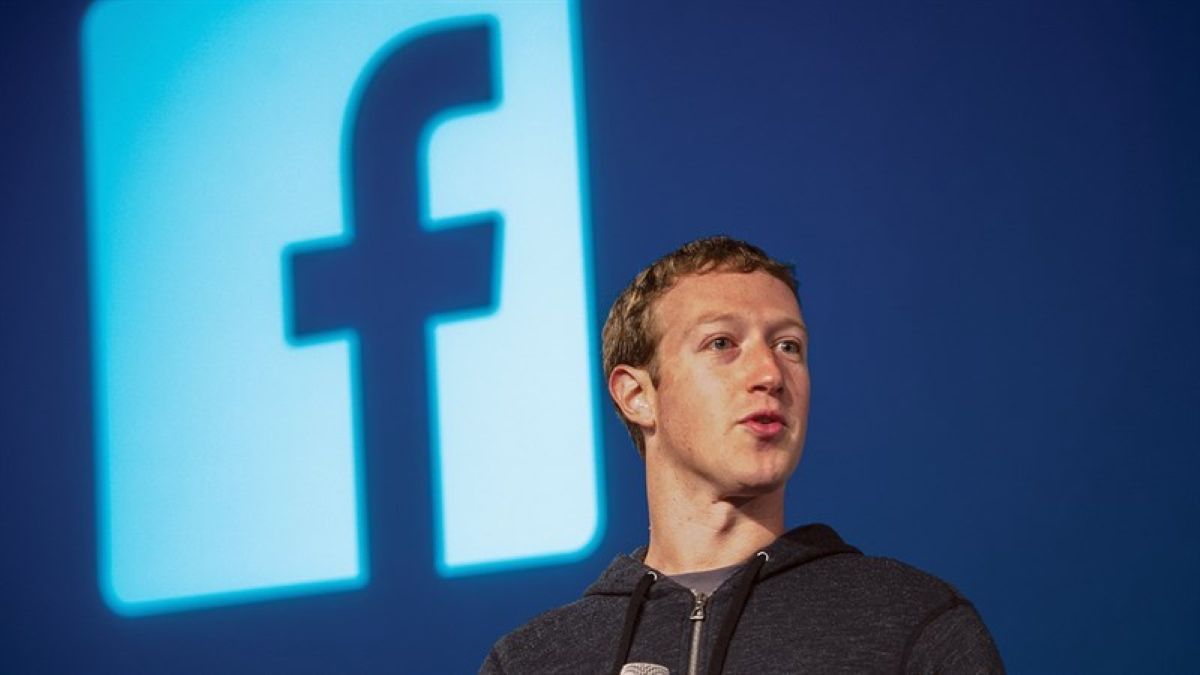
Mark Zuckerberg took the stand February 18, 2026, as the star witness in the first jury trial treating social media platforms as defective products designed to addict kids. The Meta CEO faced a courtroom packed with bereaved parents holding photos of children they blame his platforms for destroying.
This isn’t your typical tech trial. Plaintiffs bypassed Section 230’s liability shield by framing Instagram and YouTube as faulty products—like defective car brakes or toxic baby formula. The strategy mirrors Big Tobacco’s downfall: prove intentional design to hook vulnerable users.
Internal Documents Tell a Different Story
Meta’s own emails contradict Zuckerberg’s denials about targeting children.
The evidence gets uncomfortable fast. Attorneys displayed a 20-foot poster showing posts from plaintiff Kaley G.M., who started using these platforms at ages 6 (YouTube) and 9 (Instagram). Internal Meta documents revealed the company estimated 4 million U.S. users aged 10-12 in 2018—roughly 30% of that age group.
Zuckerberg insisted children under 13 were never allowed on Instagram, but his own 2016 email targeted a 12% increase in time spent on the platform. Staff criticized pushes to capture younger users. By 2022, Instagram head Adam Mosseri called teen engagement the “primary goal.”
The Digital Casino Defense Crumbles
Zuckerberg blamed everyone except his company’s deliberate design choices.
Facing attorney Mark Lanier’s questioning, Zuckerberg deflected responsibility like a politician dodging scandal. He blamed Apple and Google for not sharing parental control settings. He claimed Meta never set “time spent” goals despite documents showing targets of 40-46 daily minutes for teens.
The plaintiff’s case resembles a digital autopsy. Infinite scroll, auto-play videos, likes, and push notifications—features designed to trigger dopamine hits and keep users scrolling. Meta counters that social media represents less than 1% of their revenue from teens and points to recent changes like removing like counts.
Billions at Stake, Precedent to Set
This bellwether case could trigger platform redesigns and massive settlements.
Meta’s 2026 SEC filing warns of potential damages in the “high tens of billions“ from over 1,600 similar cases. TikTok and Snapchat already settled rather than face trial. The verdict needs nine of twelve jurors—a lower bar than criminal cases but still requiring convincing evidence.
You’ve watched this playbook before: deny harm, blame users, claim good intentions while internal documents tell the opposite story. The difference now? Juries decide whether platforms face the same accountability as any other product that harms children. Your family’s digital future might depend on their answer.