Six out of 43 audio experts correctly identified premium cables when tested against banana and mud conductors. The results suggest your expensive interconnects might be less essential than you think.
The Great Cable Reality Check
Forum experiment reveals uncomfortable truths about audio perception.
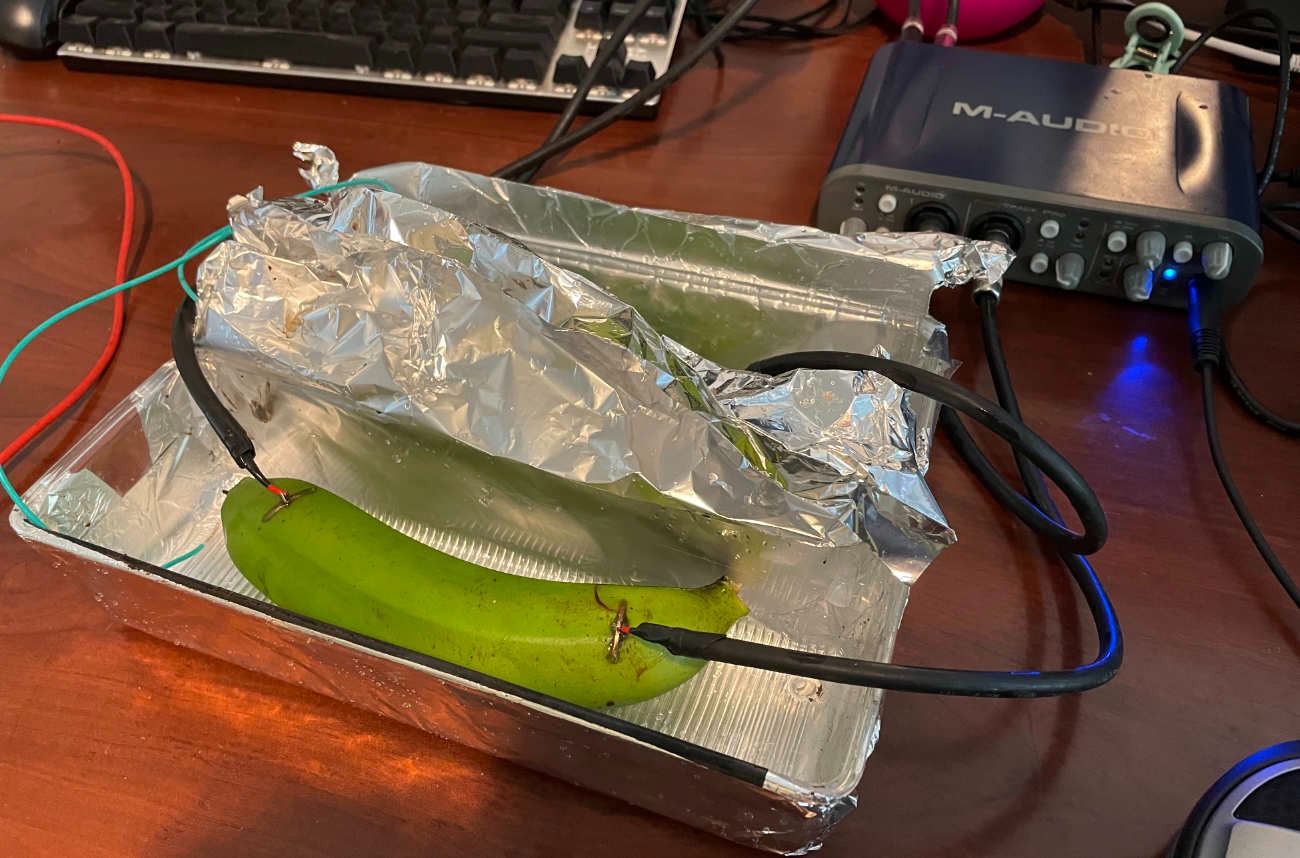
A diyAudio forum moderator named Pano designed the kind of test that makes audiophiles squirm. He routed identical audio signals through four different paths: unmodified CD file, professional copper wire, wet mud, and actual bananas. Then he asked 43 participants to identify which was which in blind conditions.
The results were brutal. Only 6 people got it right—a 13.95% success rate that statisticians confirmed as indistinguishable from random guessing. “The amazing thing is how much alike these files sound,” Pano noted. “The mud should sound perfectly awful, but it doesn’t.”
Some participants actually preferred the mud version over the others. Like choosing the knockoff over designer jeans without seeing the label, their ears revealed what their wallets refused to acknowledge.
Why Produce Aisle Audio Actually Works
Science explains how bananas conduct your favorite songs.
Bananas and mud function as terrible conductors compared to copper—but terrible doesn’t mean unusable. They behave like adding a resistor to your signal path, reducing volume slightly without introducing audible distortion at typical consumer levels.
The conductivity comes from water content plus dissolved minerals in soil and electrolytes in fruit. Your banana measured 5.1K ohms at DC, enough resistance to power a small LED but still sufficient for audio transmission. The mechanism preserves signal integrity within frequencies and amplitudes that matter for your listening experience.
Pano’s broader conclusion cuts through decades of cable mythology: “What doesn’t seem to make much difference in sonic quality is the material of the conductor.” Shielding from electromagnetic interference can matter. Conductor composition rarely does.
The $2 Billion Question Mark
Results challenge premium cable market fundamentals.
This experiment joins scientific consensus questioning whether high-end audio cables justify their premium pricing. Previous tests using fruits, vegetables, even beer as conductors produced similar null results 11 years ago according to the diyAudio forum community.
The findings suggest the audio cable industry operates on perceived rather than measurable differences. Room acoustics, speaker placement, and amplifier quality demonstrate far greater impact on sound reproduction than conductor material selection.
Your next audio upgrade budget might deliver better results invested in acoustic treatment than artisanal copper with marketing claims that blind testing consistently fails to validate.