That dead battery isn’t your alternator—it’s a module dealers won’t mention while charging hundreds for fake fixes.
The Hidden Power Vampire Under Your Seat
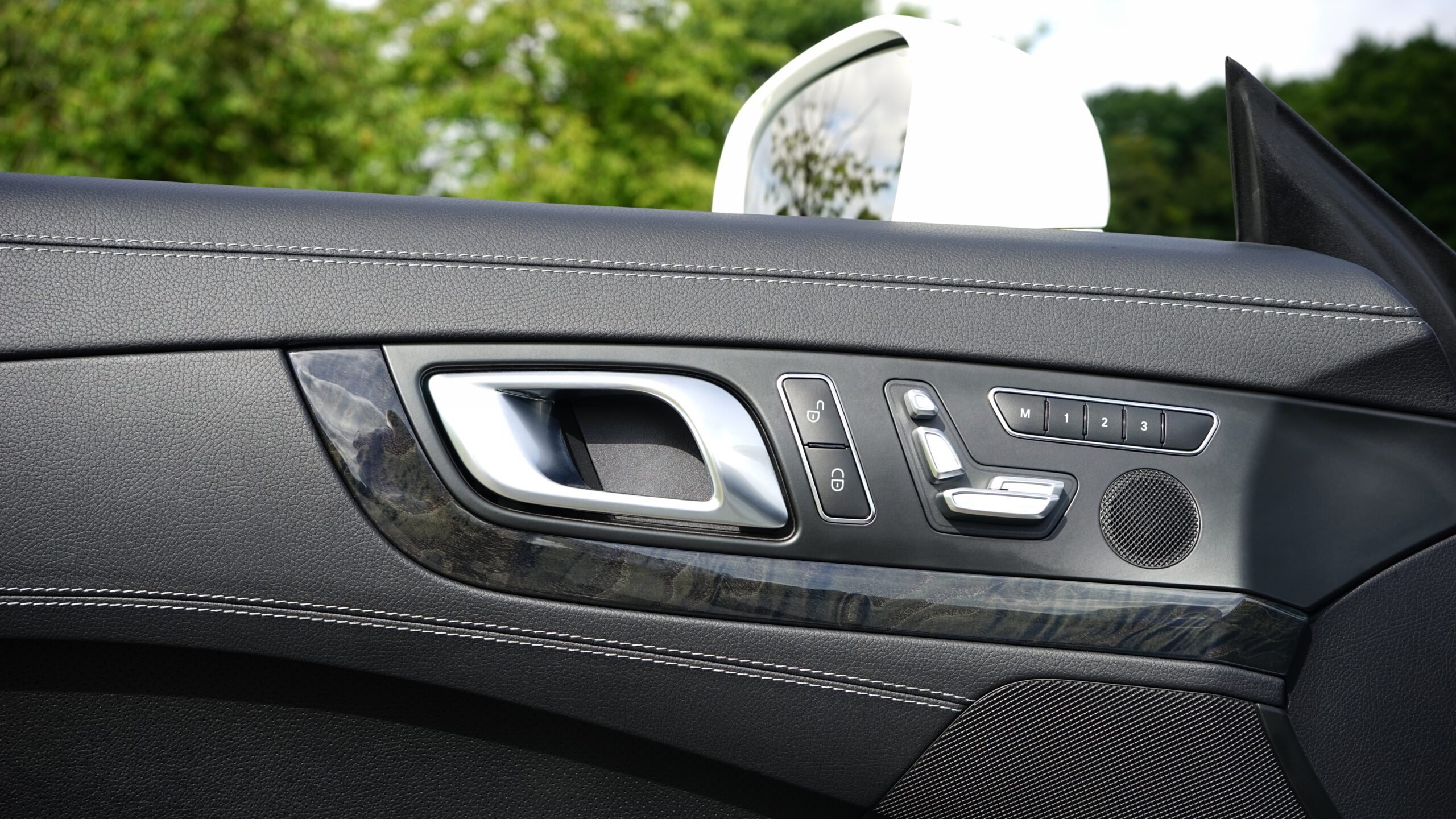
Power seat memory systems draw current 24/7 to maintain position settings, creating the perfect battery drain.
Dead battery after a weekend away? Before you blame winter weather or that aging alternator, check what’s lurking under your power seats. Those convenient memory modules that remember your perfect driving position are actually digital vampires, staying “always-hot” to preserve their settings. Consider exploring other DIY car fixes to save money on common issues.
Your seat’s memory module draws between 0.4 to 0.6 amperes continuously—enough to drain 10% of a typical battery overnight. Compare that to healthy modules pulling less than 50 milliamps, and you’ve found your culprit.
This isn’t a design flaw; it’s the trade-off for instant seat adjustment when you unlock your car.
The Dealer Misdiagnosis You Need to Avoid
Dealers routinely misdiagnose memory module drains as alternator failures, then charge for unnecessary repairs.
Here’s where things get expensive fast. Walk into a dealership with battery drain complaints, and they’ll immediately suspect your alternator or engine computer. This misdiagnosis happens because the symptoms look identical: weak starts, dashboard warnings, and gradual battery death.
But replacing a perfectly good alternator or reflashing computers won’t stop that half-amp draw happening under your seat. Labor charges on fake fixes beat selling a replacement module every time.
DIY Detective Work That Saves Money
A basic multimeter and fuse-pulling technique can identify memory module drains in minutes.
Skip the dealer entirely with this quick diagnostic:
- Pull the memory seat fuse while monitoring your battery draw with a multimeter
- If the current drops dramatically, you’ve caught your vampire
- Most modules hide behind 15-20 amp fuses, clearly labeled in your owner’s manual
For Chrysler vehicles, disconnect the orange/red power wire from the C4 connector under the driver’s seat. BMW owners should check for corrosion on the memory unit circuit board.
GM recommends testing the Memory Seat Module first in their official diagnostic worksheets, acknowledging this as a known issue across their lineup.
Brand-Specific Battery Killers
From Chrysler Pacificas to BMW 6-series, memory seat modules fail across all brands with similar symptoms.
This isn’t isolated to budget cars. BMW 6-series owners report draws jumping from normal levels when memory modules are short internally. Volkswagen TDI forums document identical 0.4-0.6 amp drains traced directly to seat memory systems.
Chrysler’s MHSAPM and MSAPM modules are particularly vulnerable to electrostatic discharge shorts. Even luxury brands suffer—water intrusion and corrosion turn these convenience features into battery killers that operate like someone left your headlights on permanently.
Your memory seats shouldn’t cost more than gas money in battery replacements. If you’re concerned about overall car costs, armed with this knowledge, you can skip the dealer markup and fix the real problem instead of funding their diagnostic theater.