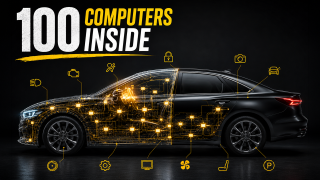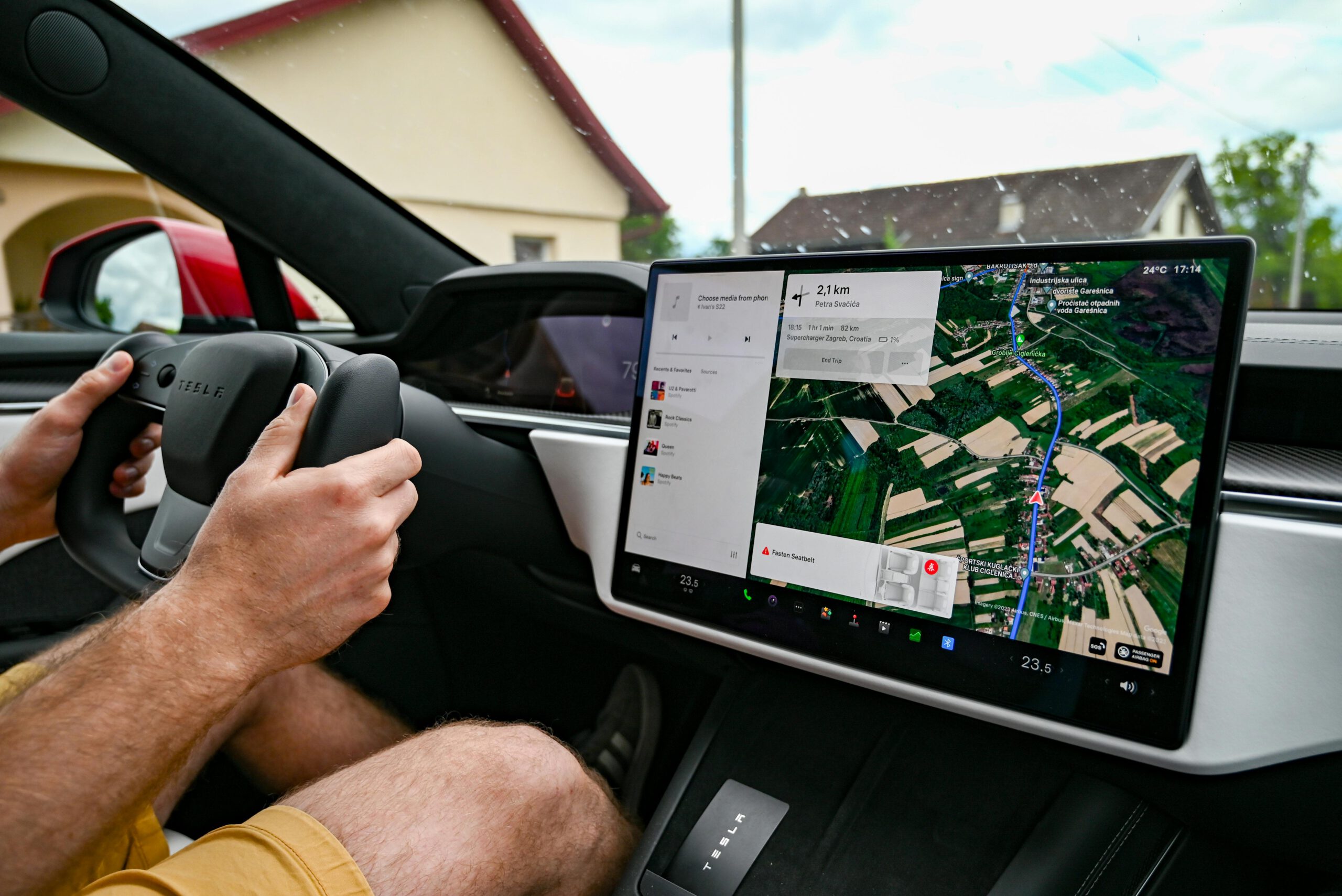
That touchscreen dashboard collecting your Spotify preferences? It’s also logging every text message, phone call, and GPS coordinate from your daily routine. Modern vehicles function as rolling surveillance devices, capturing everything from your driving patterns to biometric data through systems you probably assumed were just for navigation and music.
The Data Dragnet in Your Driveway
Connected cars vacuum up location history, phone contacts, voice commands, and even cabin occupancy through embedded cellular connections.
Your car’s infotainment system — whether it’s GM’s OnStar, Ford’s Sync, or Stellantis’ UConnect — transmits detailed behavioral profiles to manufacturers via built-in cellular modems. These systems record:
- Steering inputs
- Acceleration patterns
- Media usage
- Phone contacts and call logs
- Facial recognition data
- Alcohol detection readings from cabin sensors
Corporate Data Sales Hit Legal Roadblocks
GM faced FTC penalties after selling 1.5 million drivers’ data without consent, highlighting widespread third-party sharing practices.
The privacy violations aren’t theoretical. GM recently received a five-year ban from selling driver data to credit bureaus after Tesla sued over unauthorized data sales affecting 1.5 million customers. According to the FTC, “Car manufacturers should take note that the FTC will take action to protect consumers against the illegal collection, use, and disclosure of their personal data.” Yet manufacturers routinely share aggregated information with insurers, analytics firms, and data brokers for risk scoring and targeted advertising.
Digital Forensics Reveal Hidden Archives
Specialized tools can extract years of stored call logs, navigation history, and device connections from your car’s memory systems.
Forensic investigators using tools like Berla iVe can pull extensive digital artifacts from infotainment systems through simple USB connections. These extractions reveal:
- Call logs
- Text messages
- Navigation searches
- Paired device histories
- Wi-Fi connection records
The data persists even after you sell the vehicle, creating privacy risks for subsequent owners.
Privacy Rights Gain Legal Momentum
Twenty states now have privacy laws while opt-out options remain inconsistent across manufacturers.
Legal pressure is mounting. Twenty U.S. states have enacted privacy legislation, and the FTC has warned automakers against unlawful collection of geolocation and biometric data. Samuel Goldstick from Foley & Lardner notes that “Users should be given clear, easy-to-understand privacy policies and instructions on how to opt-out.” However, disclosure practices vary wildly between manufacturers, with some burying opt-out options deep in settings menus.
Looking ahead, the surveillance car era is here, turning your daily commute into a data collection exercise. As regulatory scrutiny intensifies and more breaches surface — VW exposed 3.3 million records, BYD leaked 1.3 million location points — expect privacy-focused features to become the new automotive selling point.