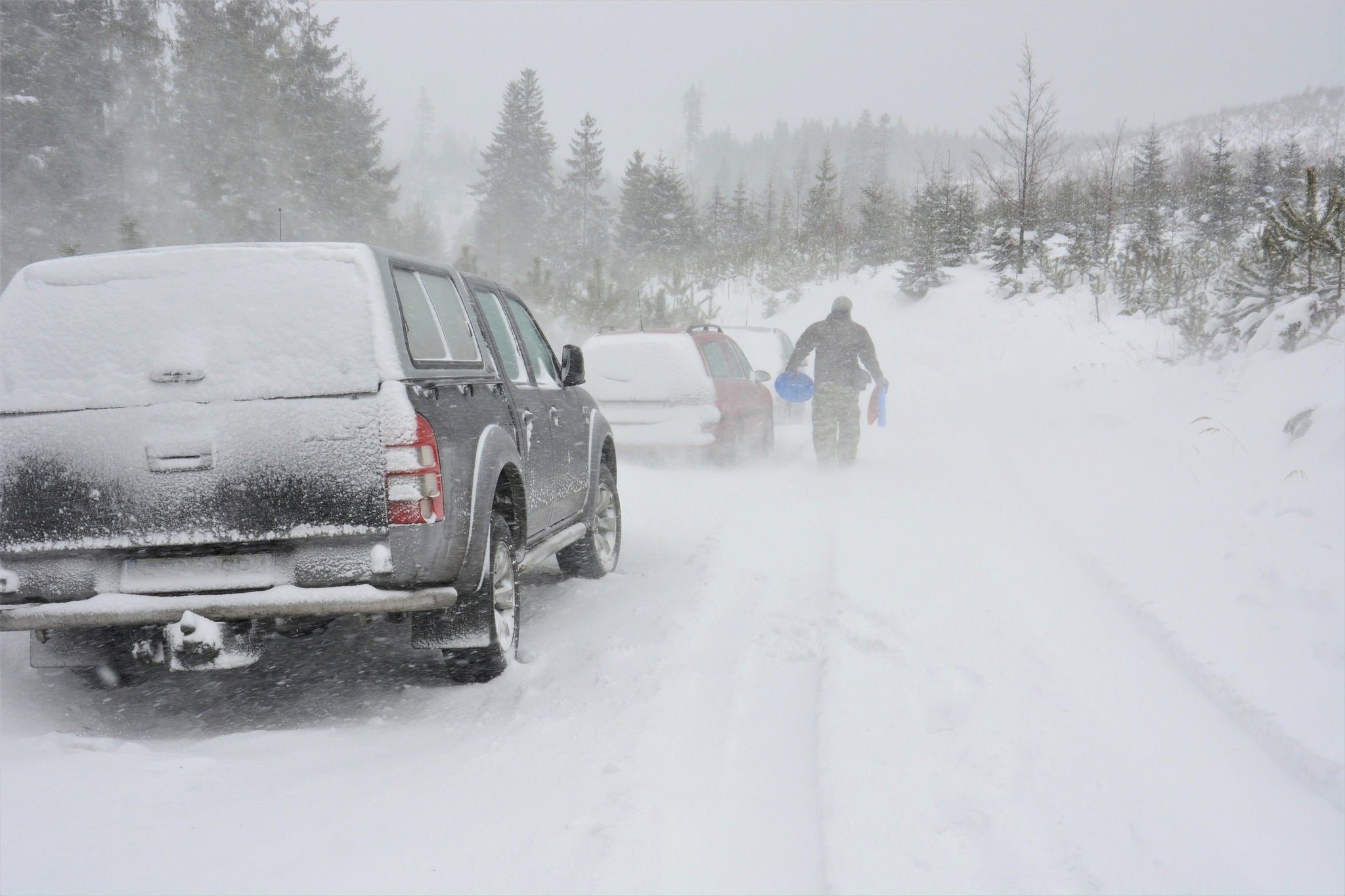
Your heating bill isn’t the only thing spiking this week. The power grid serving 67 million people across 13 states and Washington, D.C., is straining under Winter Storm Fern’s brutal aftermath, with electricity demand threatening to shatter records just as the system struggles to recover.
Record-Breaking Demand Looms
Grid operators warn of unprecedented power needs as deep freeze intensifies.
PJM Interconnection declared a Maximum Generation Alert for January 27, keeping every available power plant online through extreme cold that won’t relent until February. Forecasters predict electricity demand will peak at 148 gigawatts by January 30—enough to power roughly 112 million homes and potentially exceeding last year’s winter record of 143.7 GW.
You’re looking at seven straight days above 130 GW, something the grid has never sustained. The math is stark: temperatures running 8-15 degrees below normal mean everyone’s cranking heat simultaneously while the system operates on fumes.
Feds Bypass Environmental Rules
Emergency orders allow maximum power output regardless of emissions limits.
The Department of Energy issued rare Section 202(c) orders, essentially telling power plants to run full throttle through January 31, environmental permits be damned. Translation: older, dirtier plants that normally sit idle are firing up to prevent blackouts.
The agency also authorized data centers and other facilities with backup generators to volunteer their spare capacity—think of it as Uber surge pricing, but for electricity.
“This extreme level of demand coupled with stresses on fuel availability raise a significant risk of emergency conditions that could jeopardize electric reliability and public safety,” warned Michael Bryson, PJM’s senior vice president of operations.
Storm Damage Compounds Crisis
Lingering outages and fuel disruptions create perfect storm conditions.
Winter Storm Fern left over 550,000 customers still without power, mostly in Tennessee, Mississippi, and Louisiana, while knocking 12% of U.S. natural gas production offline. That matters because gas-fired plants provide the flexible power needed when demand spikes unexpectedly—like when your smart thermostat and your neighbor’s heat pump kick on during the same arctic blast.
The grid is essentially running a marathon while nursing injuries from last week’s beating. Rolling blackouts haven’t started, but grid operators are walking a tightrope between record demand and equipment pushed beyond design limits. Your lights staying on depends on whether aging infrastructure can handle what promises to be the coldest stretch in decades.