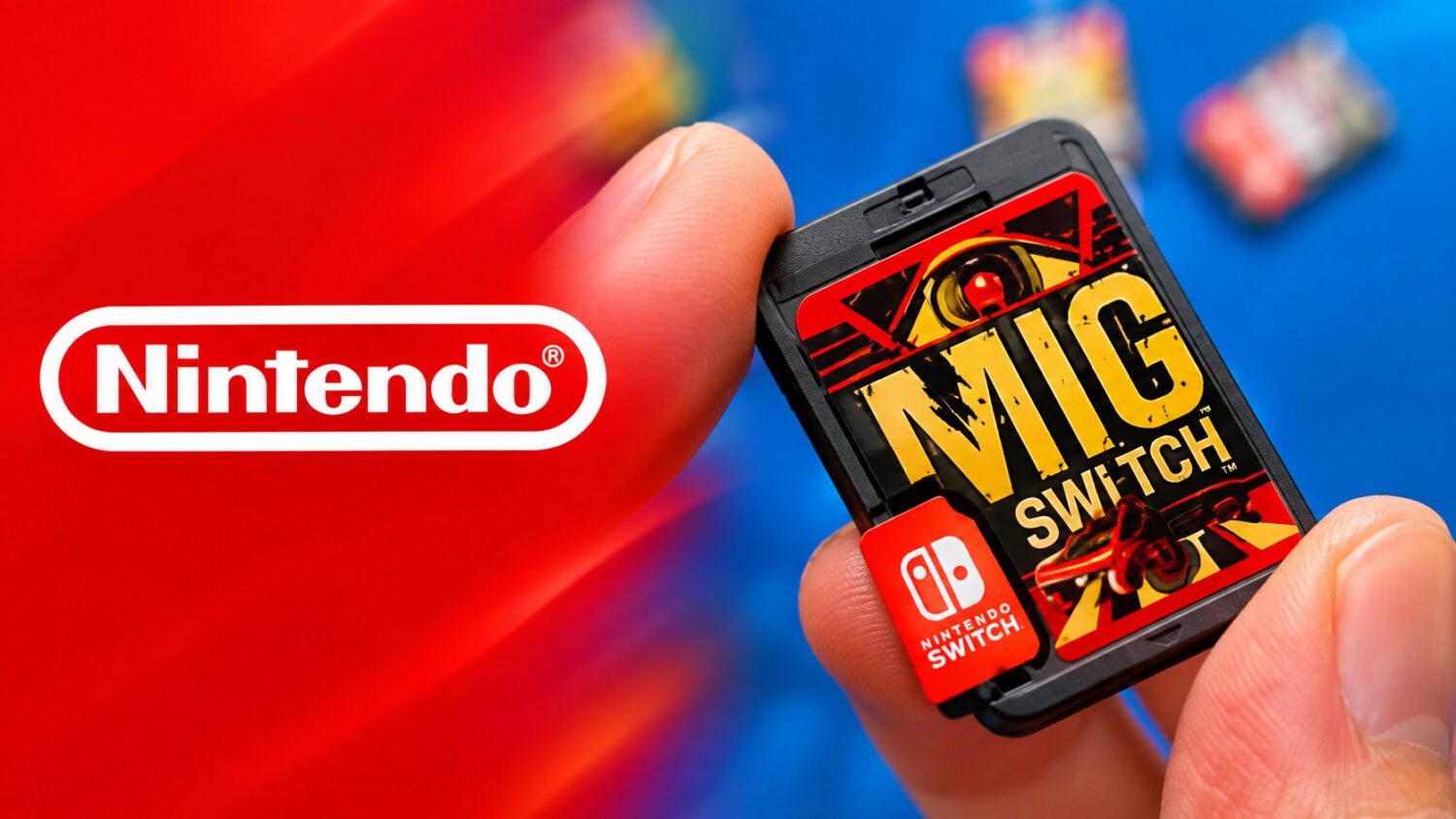
A Dutch court has ruled that selling MIG Switch Cards, MIG Switch Dumpers, and comparable circumvention devices is unlawful under copyright law, ordering the named seller to halt operations immediately. The decision forms part of Nintendo’s broader legal push against piracy hardware, and it puts European retailers and dropshippers on notice.
What the Court Actually Ruled
A civil order from The Hague, grounded in EU anti-circumvention principles, targets the seller directly, not individual device owners.
An online seller operating through r4switch.nl, ther4card.com, and r4switch.co.uk was found to be unlawfully offering circumvention hardware through a dropshipping arrangement that sourced products from Asia. The ruling applied reasoning from the Court of Justice of the European Union, which evaluates a device by its primary purpose rather than its marketing claims.
This is a civil court order, not a criminal conviction. Penalty figures cited in secondary reporting have not been confirmed against the court judgment and should not be treated as established fact until the operative order is verified.
How the MIG System Works and Why It Lost
The court’s analysis centered on what the hardware principally enables, not how sellers described it.
The MIG Dumper connects a physical Switch cartridge to a computer and copies game data to an SD card. The MIG Switch Card then loads those files back onto a console using a cartridge-shaped form factor. Sellers marketed both products as tools for backing up video games you legitimately own.
That framing did not prevail. Because the court found the devices’ dominant function was bypassing Nintendo’s technical protection measures, the preservation argument could not overcome the circumvention finding, regardless of how the products were packaged or positioned.
Nintendo’s Position and Global Context
The Hague ruling is one element of an enforcement strategy that now spans multiple jurisdictions.
Nintendo framed the victory as protection for its own intellectual property and for independent developers whose revenue depends on legitimate software sales, according to IGN. The company urged players to avoid circumvention devices and unauthorized copies, warning that such products can interfere with the intended functionality of authentic hardware and software.
The Dutch case does not stand alone. In a separate U.S. matter, a modder associated with MIG Switch and MIG Dumper products agreed to a $2 million stipulated judgment and a permanent injunction barring the sale or possession of devices that defeat Switch protections, according to Tom’s Hardware. Taken together, the two cases reflect a pattern of Nintendo pursuing enforcement across different legal systems.
What This Means for You
The order binds the named defendant; existing owners are not automatically at legal risk, but retailers face the clearest exposure.
Describing the ruling as an EU-wide ban would overstate its reach. More accurate framing is that the order applies to the defendant and is grounded in EU anti-circumvention principles, which may influence retailer behavior elsewhere in Europe. Available reporting does not establish that every existing MIG Switch owner faces prosecution, or that every personal backup is independently unlawful.
Sellers, distributors, and dropshippers carry the most immediate legal exposure. Preservation and modding communities may dispute the policy outcome. Based on this ruling and the cited U.S. case, hardware designed primarily to bypass console security faces a difficult legal path, regardless of how its purpose is stated.
The Broader Question Remains Open
The ruling resolves one seller’s position clearly; the wider debate over copyright law and preservation technology does not have the same resolution.
This decision may encourage similar claims against other manufacturers and distributors of circumvention hardware. Whether copyright law draws a meaningful line between commercial piracy tools and legitimate preservation technology remains a contested policy question. What is settled, at least in The Hague, is where this particular seller’s operation fell on that line.