A city council inbox floods with support for a massive data center. Hundreds of emails, each bearing a local name and address, all backing Beale Infrastructure’s Project Atlas in Coweta, Oklahoma. Looks like democracy in action. According to Coweta’s Vice Mayor, as reported in local coverage, it was something else entirely. He confronted Beale representatives with evidence of the campaign. The company reportedly acknowledged controlling the program generating those emails — then shut it down.
The mechanics were astroturfing with a mail-merge. An online form auto-populated residents’ names and addresses, firing messages to officials that mimicked genuine constituent support. Some residents reportedly denied ever sending anything when activists contacted them. Their identities had allegedly been borrowed without permission — and without any apparent consequences for whoever borrowed them.
Activist Darren Blanchard filed open records requests to expose the campaign. What came back: pages of emails with every sender identity blacked out. Oklahoma’s Open Records Act protects people who “petition” their government — a safeguard designed for citizens contacting their elected officials. State authorities determined that protection applies here too. The law built to shield citizens now shields whoever impersonated them. No charges have been filed against Beale Infrastructure or any campaign vendor as of the latest reporting.
One Rule for Fraud, Another for Farmers
Protesters face arrest and active investigation while the entity behind the alleged mass impersonation faces no public enforcement action.
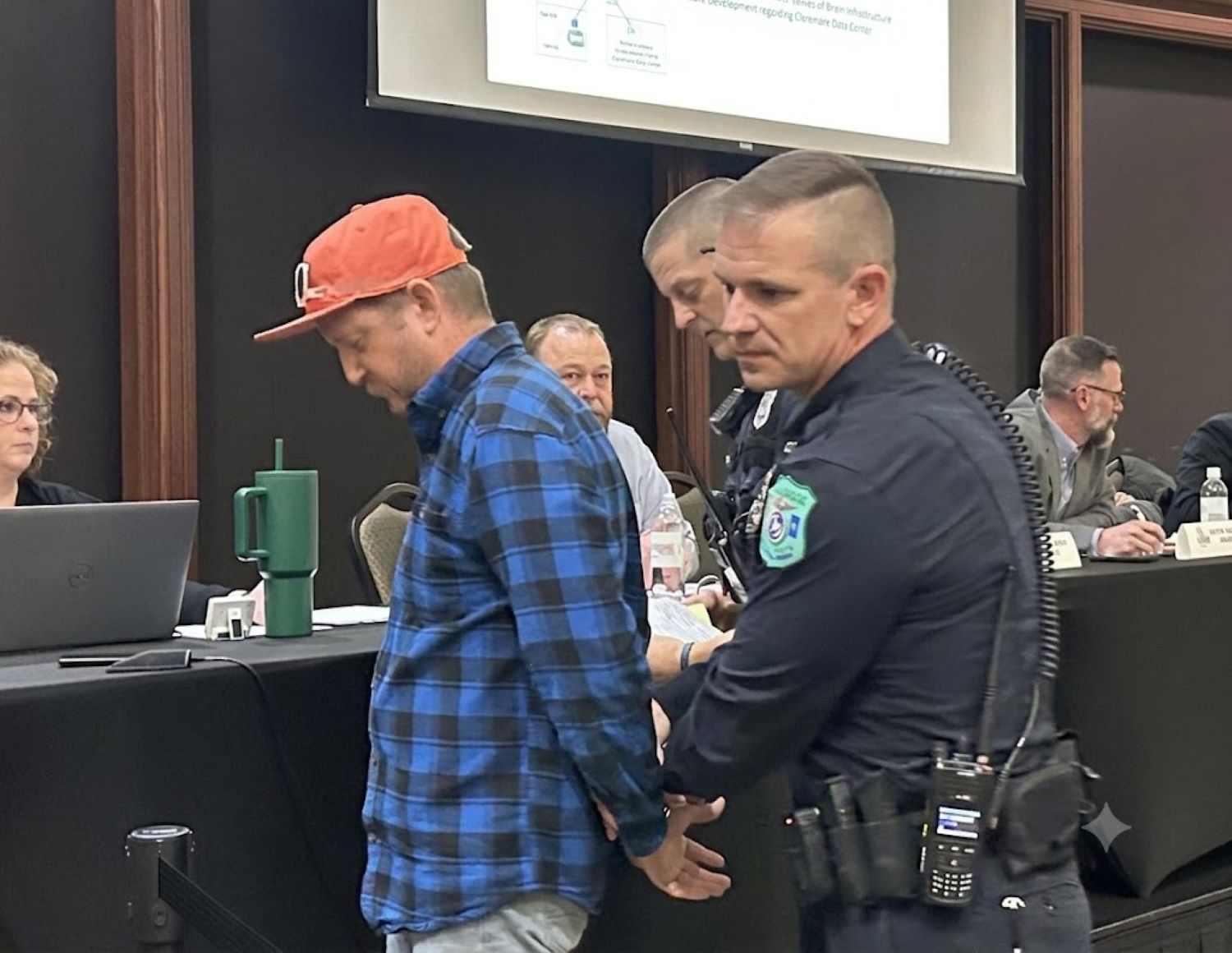
Blanchard and other farmers who attended meetings, filed records requests, and organized protests have faced arrest and active police investigation. Coweta’s chief of police confirmed the department aimed to complete investigations by mid-to-late June. The protesters get policed. The impersonators get protected.
Blanchard has reportedly contacted the FBI, since local remedies are effectively blocked. Federal frameworks like the Internet Crime Complaint Center handle email fraud and identity impersonation at scale — but redacted records make building a case significantly harder. In Washington Township, Michigan, a parallel surveillance app controversy played out differently: developer Prologis withdrew from its project entirely after public scrutiny intensified, signaling that transparency concerns carry real economic weight.
The Structural Crack
Laws written before automated petition fraud existed cannot distinguish a genuine citizen email from a corporate mail-merge using stolen identities.
Until statutes catch up, developers hold a cheap, semi-legal tool for manufacturing community support. Oklahoma’s Open Records Act was written to protect individual citizens, not corporate-backed campaigns operating at algorithmic scale. That gap — between what the law anticipated and what technology now enables — is where accountability disappears. Unlike in Europe, where government health, financial, and legal data are shielded from major tech platforms, American law has no equivalent guardrail against automated civic impersonation. Unlike the entity behind the alleged campaign, farmers who showed up in person, filed records requests, and organized protests have no equivalent procedural shortcut. They face active investigation instead. Democracy, it turns out, probably shouldn’t run on autofill.