Without recycling, a million-person lunar city would drain the Moon’s entire known water supply in roughly two years. That headline finding comes from a peer-reviewed study published September 14, 2026, in Frontiers in Space Technologies by astronomers Martin Elvis and Jonathan McDowell of the Center for Astrophysics, Harvard and Smithsonian.
The Numbers Behind the Dream
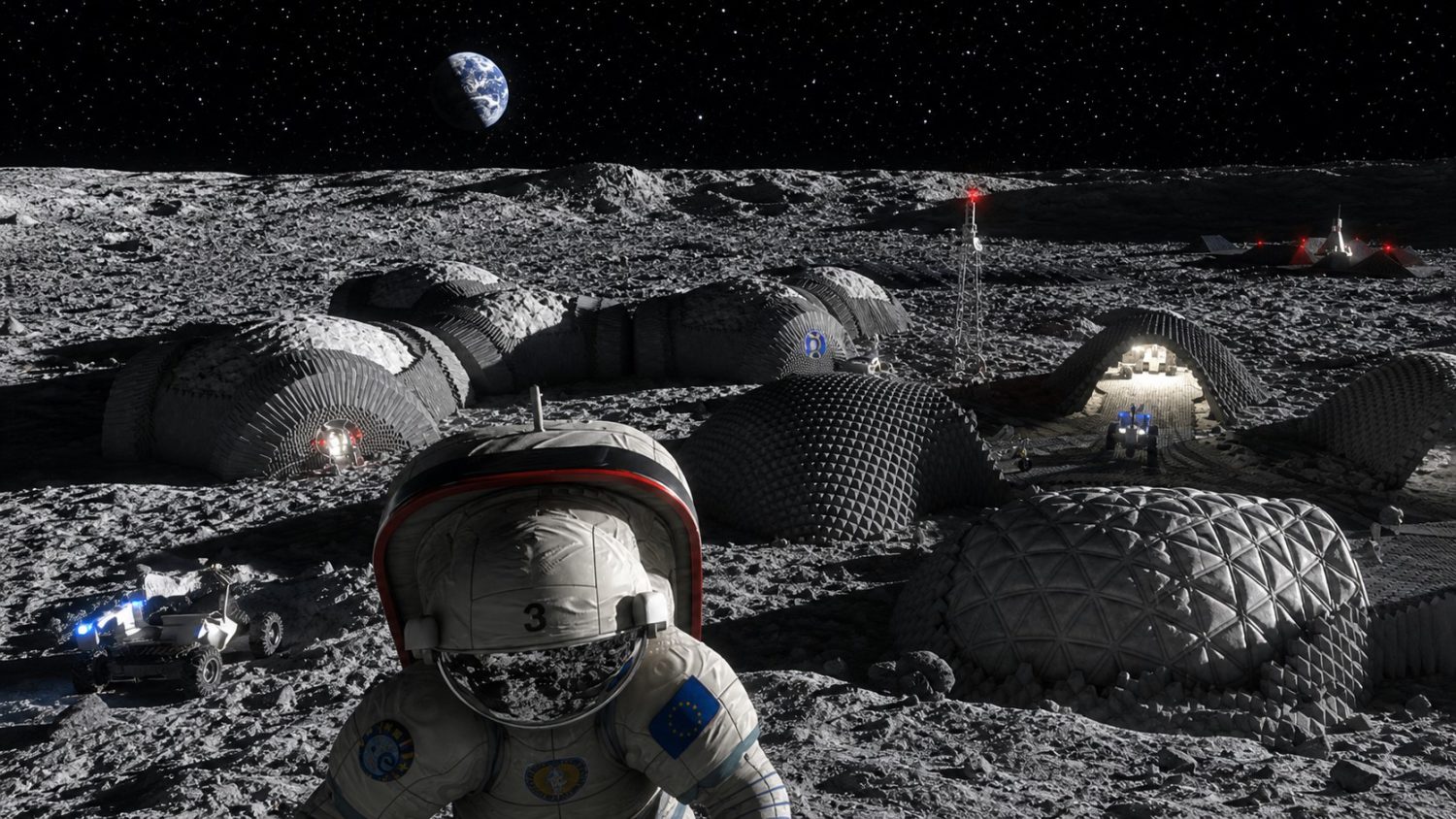
Elon Musk’s lunar city concept centers on the south pole, specifically craters like Shackleton and Cabeus, where permanent shadows preserve ice and crater rims catch near-continuous sunlight for power. According to publicly announced timelines, Musk’s stated plan carries a projected price tag of $100 to $500 billion, thousands of Starship flights, and roughly a decade of construction. This ambition echoes broader efforts around the Moon Mission landscape that NASA and private players are racing to define.
Proponents point to NASA radar estimates of at least 600 million metric tons of water ice at the lunar poles as proof the raw material is there.
When the Taps Run Dry
Elvis and McDowell accepted an even more generous baseline: one billion tons of water, above the NASA estimate. The math still doesn’t hold. Without recycling, one million people exhaust that entire supply in about 2.4 years.
Elvis told ABC News he was “very surprised” by the result, calling the timeline “ludicrously short.” Construction would barely begin before the water was gone.
Apply ISS-grade 98% water recycling and the picture improves, but only to roughly 100 years. Newer orbital observations suggest the actual inventory may be closer to 34 million tons. If that figure holds, the 100-year window collapses proportionally.
Scale matters enormously here. A town of 10,000 people with strong recycling could draw on the billion-ton optimistic baseline for thousands of years, according to the study. The hard ceiling only appears when the ambition reaches megacity scale.
What’s Still Possible
Elvis and McDowell are not arguing against the Moon. A permanent habitat of 1,000 to 10,000 people, operated with rigorous recycling, remains viable for centuries. According to Elvis, polar water “changes everything” at that scale, enabling food production, showers, and functional sanitation without importing every resource from Earth.
The Path Forward
Three routes could change the calculus:
- Push recycling efficiency well beyond the current 98% ISS standard
- Discover significantly more water through drilling and deeper radar surveys
- Import water from asteroids
That last option comes with its own staggering number: at 98% recycling efficiency, a million-person city would still require roughly 10 million tons of imported water per year, according to the study.
Finding more water is where that work begins, Elvis says. Until then, the Moon has room for a village, not a metropolis.