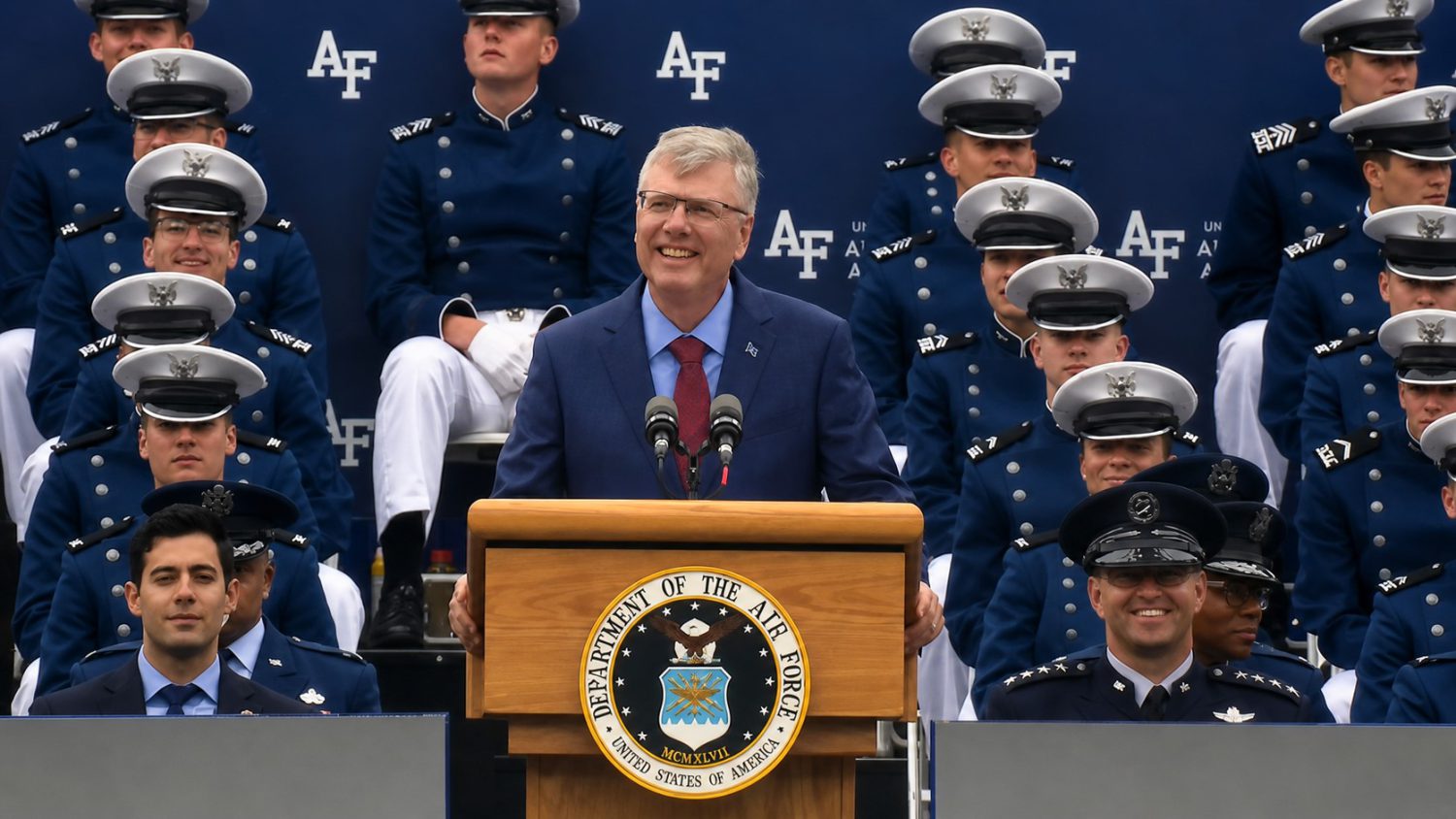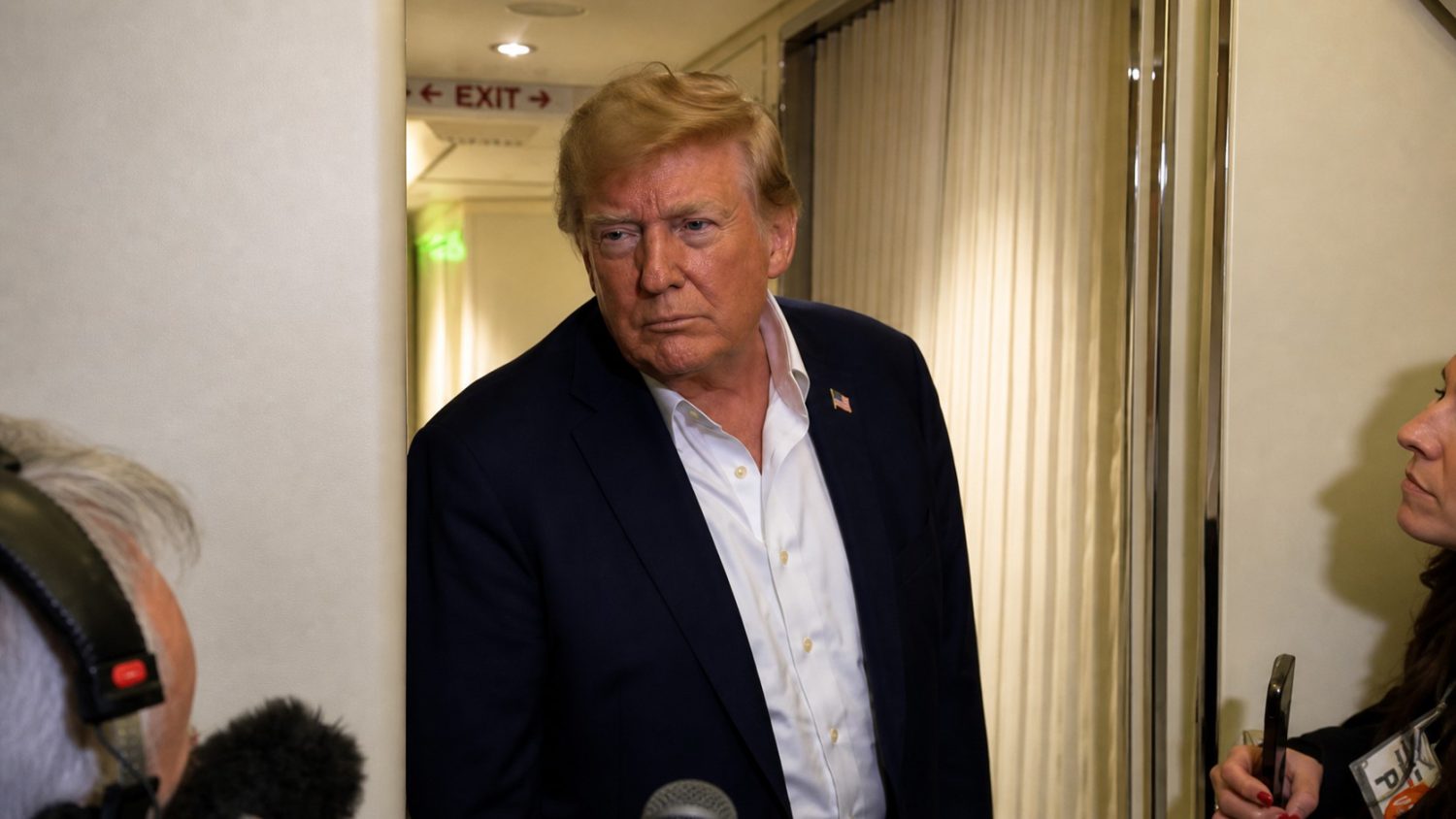
Flock Safety‘s AI-powered license plate readers have been spreading across the country, deployed by thousands of law enforcement agencies and drawing protests, vandalism, and legislative pushback in roughly equal measure. Aboard Air Force One on September 13–14, 2026, returning from Ireland, Trump gave those cameras their clearest political blessing yet.
“I sort of like them because of that, because of law enforcement… I like them,” he told reporters, according to the Washington Post. Three words. Presidential seal. Done. Except the question that produced those three words deserves as much scrutiny as the answer.
What These Cameras Actually Do
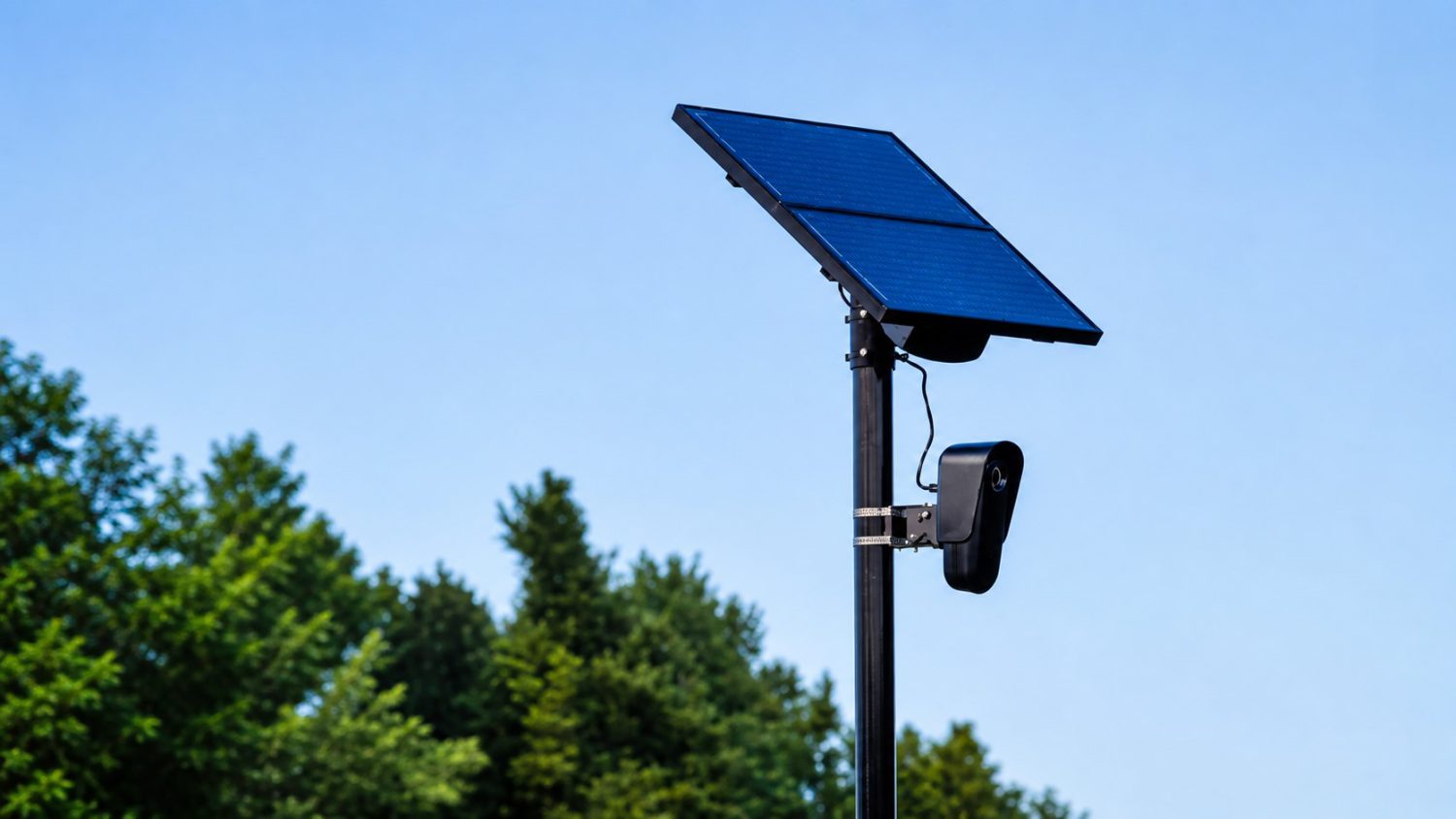
Flock’s network is not a neighborhood webcam situation.
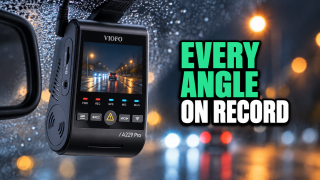
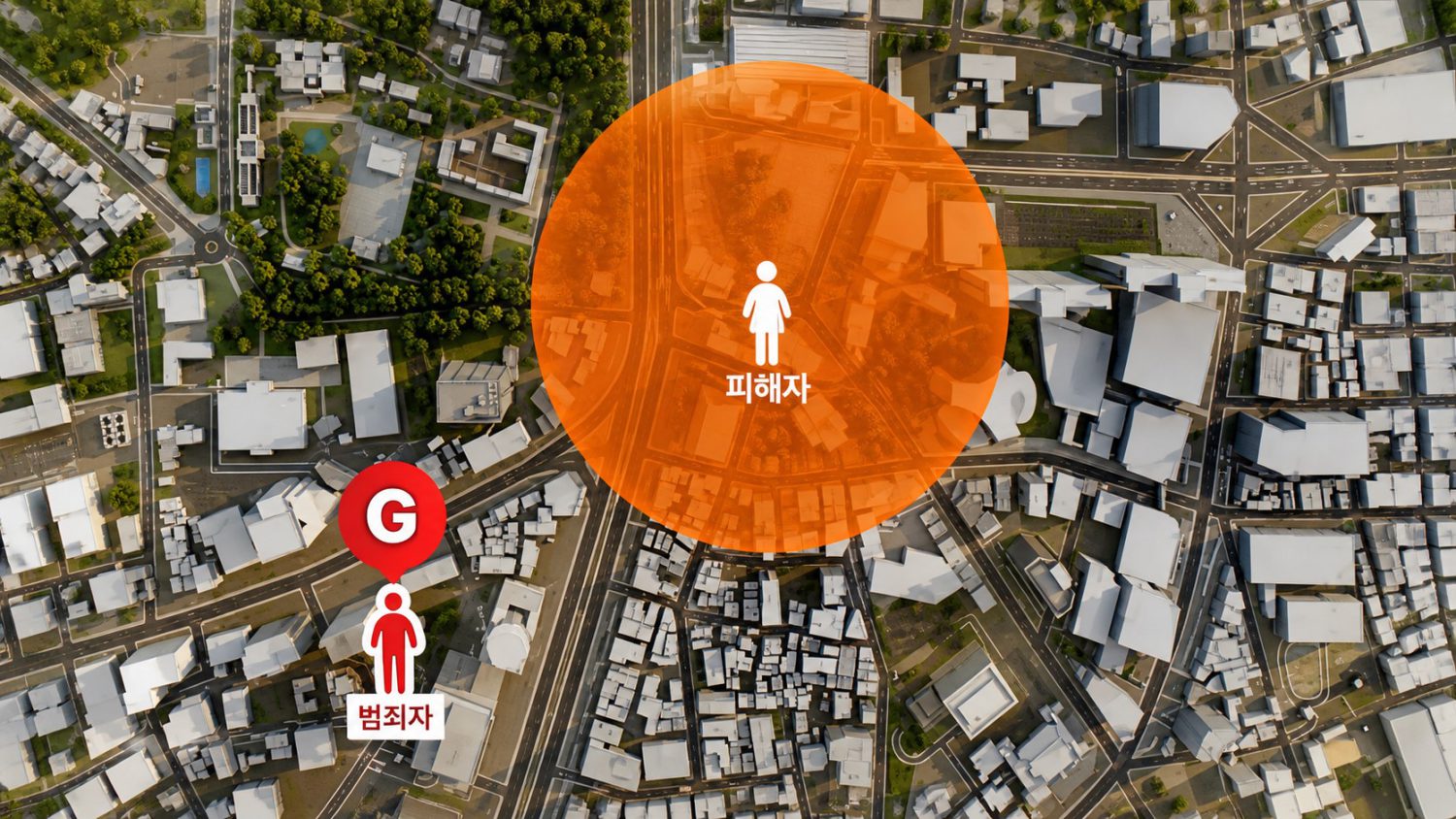
Every time you drive past one of these roadside cameras, it photographs your plate, logs your vehicle’s characteristics, timestamps the pass, and runs the data against law enforcement databases covering stolen cars, Amber Alerts, and missing persons. That is AI-powered mass movement tracking, applied to ordinary driving.
How the Soundbite Got Built
Two questions, two different framings, two completely different headlines from the same president.
The Air Force One reporter opened with: “A lot of law enforcement say they really help them. Would you be willing to back that?” Before Trump finished responding, the same reporter interjected: “They help catch a lot of criminals!” Trump replied: “But I like them.”
Compare that to August 2026, when a different reporter foregrounded public concern about police misuse and got a careful “pros and cons” non-answer from the Oval Office, according to USA Today. Same president, different framing, entirely different result.
The Pattern Behind the Coverage
Nearly half the country doesn’t share the headline’s enthusiasm.
Mainstream coverage of the endorsement leads with crime-fighting benefits and tucks privacy concerns into “some people think” clauses. One survey cited by Yahoo News puts public opposition to Flock cameras at 47 percent. Some of Trump’s most vocal critics on this technology are fellow Republicans in Congress. None of that disrupts the “I like them” news cycle. A parallel surveillance app story shows how tracking tools developed for one purpose routinely expand their reach.
What Should Actually Change
Surveillance technology recording the movement of every driver in a jurisdiction deserves harder questions.
The Air Force One exchange produced a clean soundbite by asking whether Trump would “be willing to back” a technology already framed as helpful. That is not accountability reporting; it is a prompt. The cameras are already on the roads. The harder questions should be too.