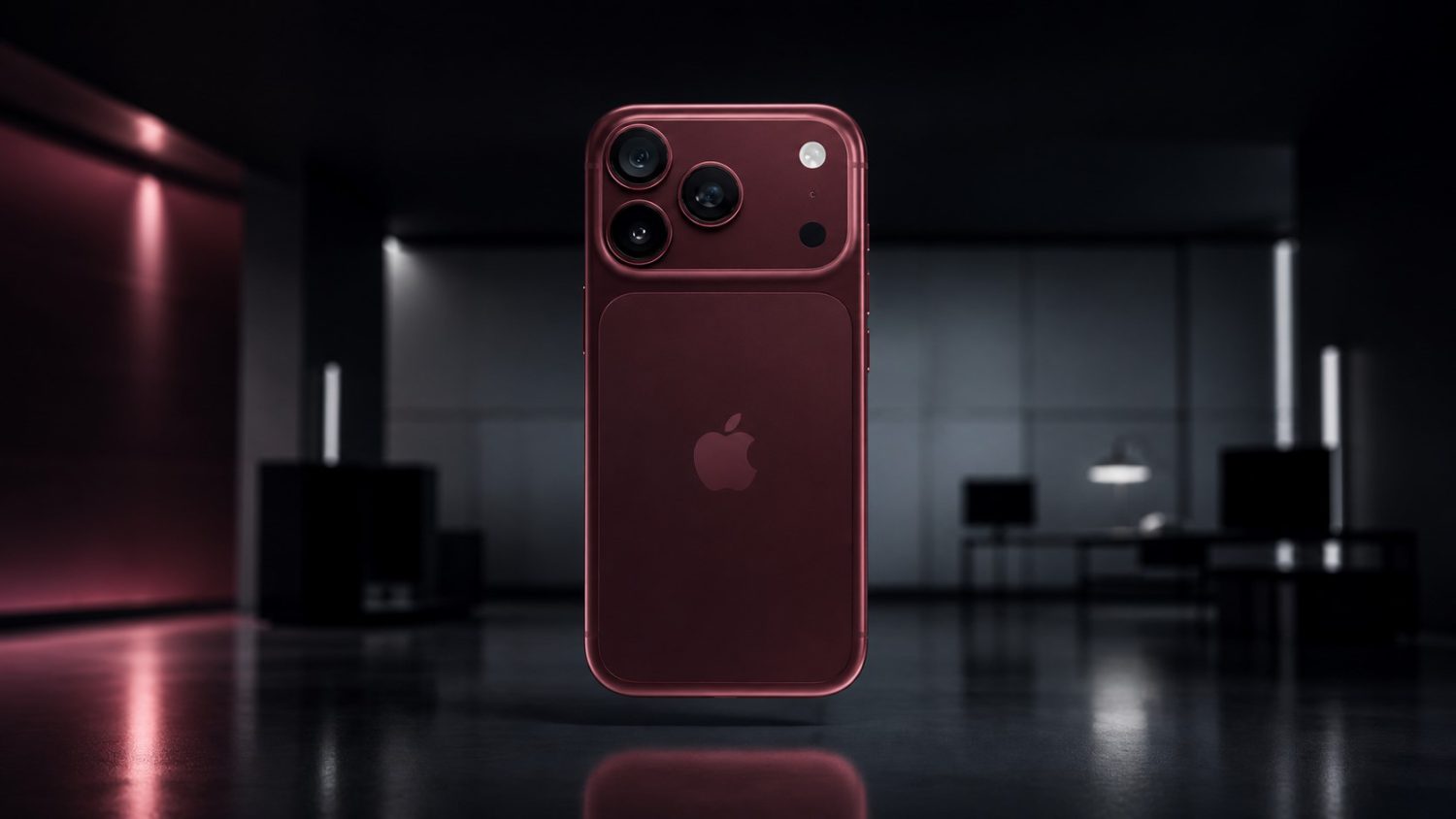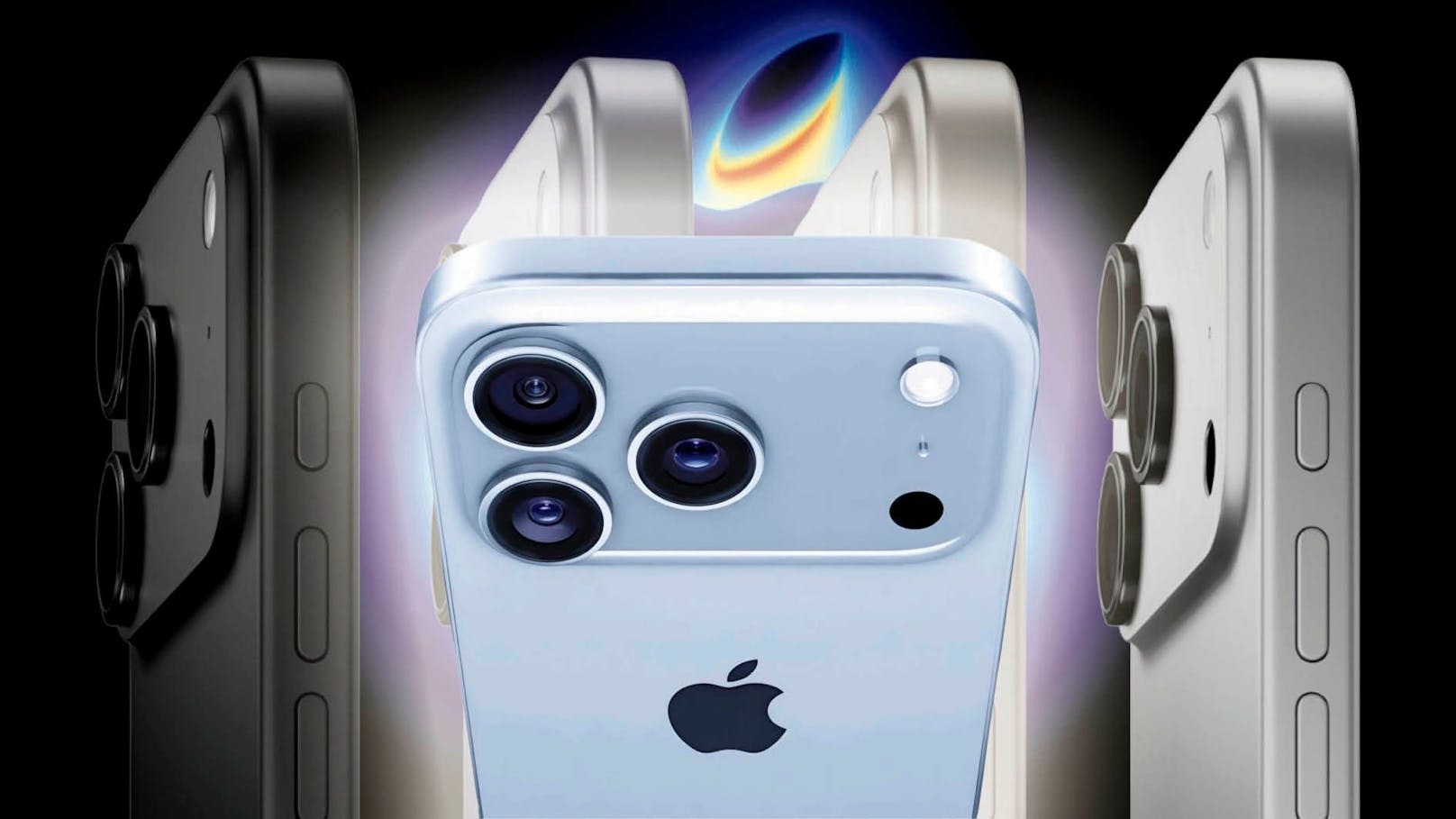
Dead phone anxiety hits different when you’re stranded at 30,000 feet with a dying device. The iPhone 18 Pro Max promises to eliminate that stress with over 40 hours of continuous use—a meaningful jump from the iPhone 17 Pro Max’s already-impressive 39-hour endurance. But here’s the reality check: Apple isn’t achieving this through massive battery upgrades like competitors wielding 7,000+ mAh cells. Instead, they’re betting on surgical engineering improvements that prioritize efficiency over brute force capacity increases.
Modest Battery Gains Meet Serious Efficiency Upgrades
The real innovation happens inside the processor, not just the battery compartment.
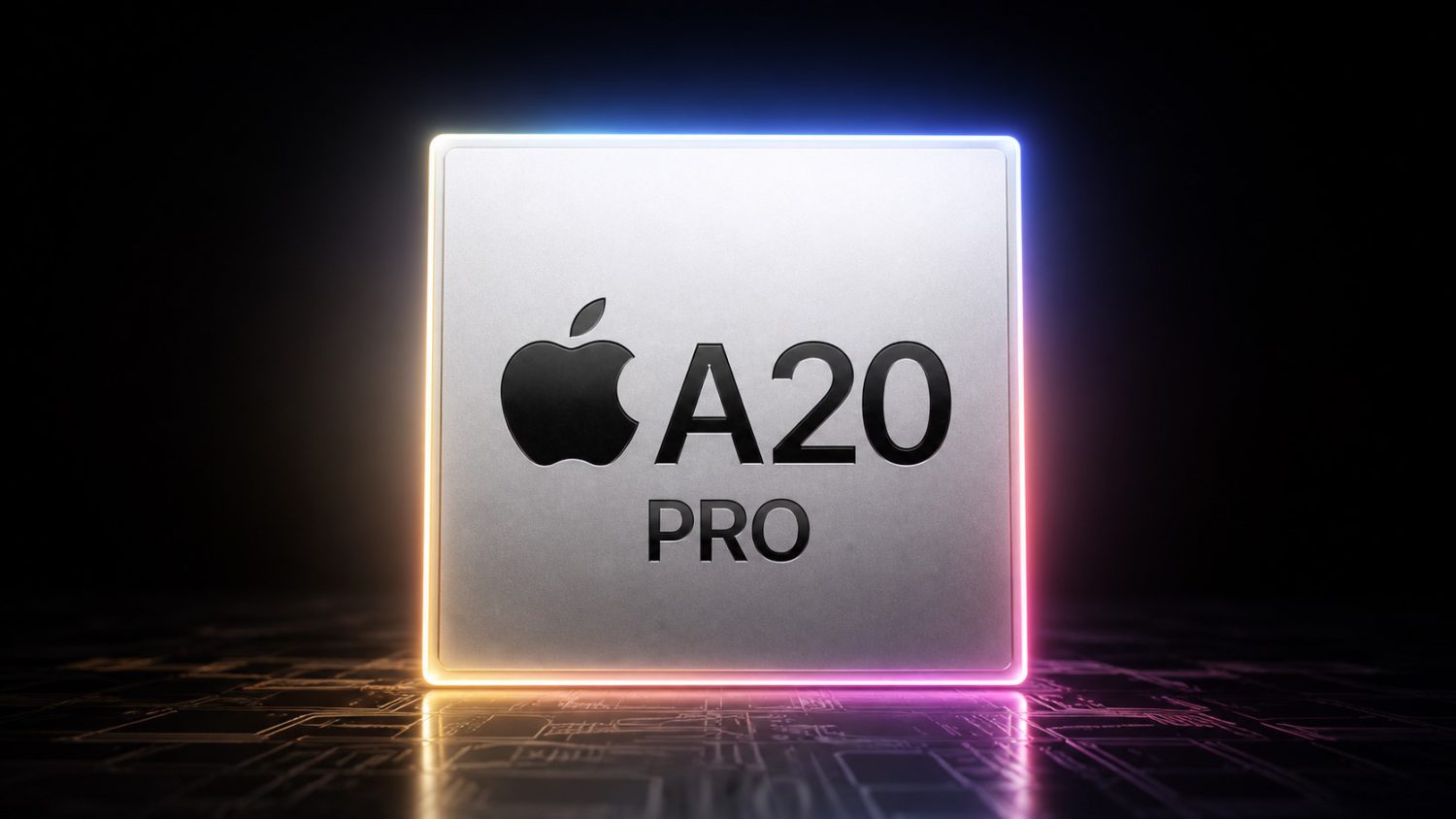
According to supply chain leaker Digital Chat Station, the iPhone 18 Pro Max will pack 5,000-5,200 mAh depending on your region—barely a 2-3% capacity increase over its predecessor. Compare that to the OnePlus 15’s 7,300 mAh battery, and Apple’s approach feels almost quaint. The magic happens elsewhere: the A20 Pro chip’s 2nm architecture delivers 30% better energy efficiency, while Apple’s custom C2 modem reduces cellular power draw significantly.
You’ll notice the trade-off immediately—the device weighs 240 grams versus 233 grams for the current model. That extra thickness accommodates the marginally larger battery cell, but it’s hardly the dramatic redesign some users might expect from a “next-level” battery upgrade.
Two-Day Battery Life Becomes Actually Realistic
Processor efficiency gains translate to meaningful real-world endurance improvements.
Here’s what 40+ hours actually means for your daily routine: true two-day battery life under typical usage patterns. Stream Netflix during your commute, handle video calls all day, and still wake up the next morning with juice left. The iPhone 16 already dominates CNET’s battery testing against 34 competing devices, so the iPhone 18 Pro Max’s improvements build on proven leadership rather than catching up to competitors.
The Incremental Innovation Gamble
Apple chooses refinement over revolution in an increasingly competitive landscape.
While competitors pack massive batteries, Apple’s betting that smart engineering beats brute force. The vapor chamber thermal management from the iPhone 17 Pro carries over to handle the 2nm chip’s density, maintaining performance without thermal throttling. Whether incremental improvements justify waiting over the already-excellent iPhone 17 Pro Max depends on how much that extra hour of daily usage matters to your workflow—and your tolerance for carrying seven additional grams in your pocket.