Before algorithms decided your personality, teens had to build actual social skills through trial and error. These pre-internet survival tactics required creativity, patience, and genuine human connection—skills that make swiping and scrolling look like amateur hour. You’ll discover why your parents keep saying you have it too easy. Spoiler: they’re absolutely right, and here’s the proof.
21. Hanging Out at the Mall

Climate-controlled teenage kingdoms where Hot Dog on a Stick was fine dining and Spencer’s was edgy counterculture. Malls were Switzerland for different cliques—neutral territory where goths and preps could coexist without location-sharing drama.
Window shopping was legitimate entertainment, not procrastination before Amazon cart abandonment. You touched actual fabric, tried things on, and made purchasing decisions based on reality instead of Instagram filters that lie worse than LinkedIn influencers.
20. Writing Notes in Class

Paper-based encrypted messaging that required origami PhD skills and Mission Impossible stealth levels. These folded intelligence reports were original end-to-end encryption—teachers couldn’t crack codes even when intercepting your underground communication network.
Romance bloomed through handwritten declarations that took more effort than sliding into DMs. When someone spent twenty minutes perfecting your note’s fold pattern, you knew they cared more than someone double-tapping your thirst trap.
19. Visiting the Library

Knowledge temples that provided information access before Google made research feel like cheating. Libraries were sacred spaces where silence actually meant something and learning happened through exploration, not TikTok algorithms feeding you the same dance trends.
Librarians were human search engines who cared about finding correct answers, not the most profitable results that come with targeted ads for crypto investments and teeth whitening.
18. Arcades

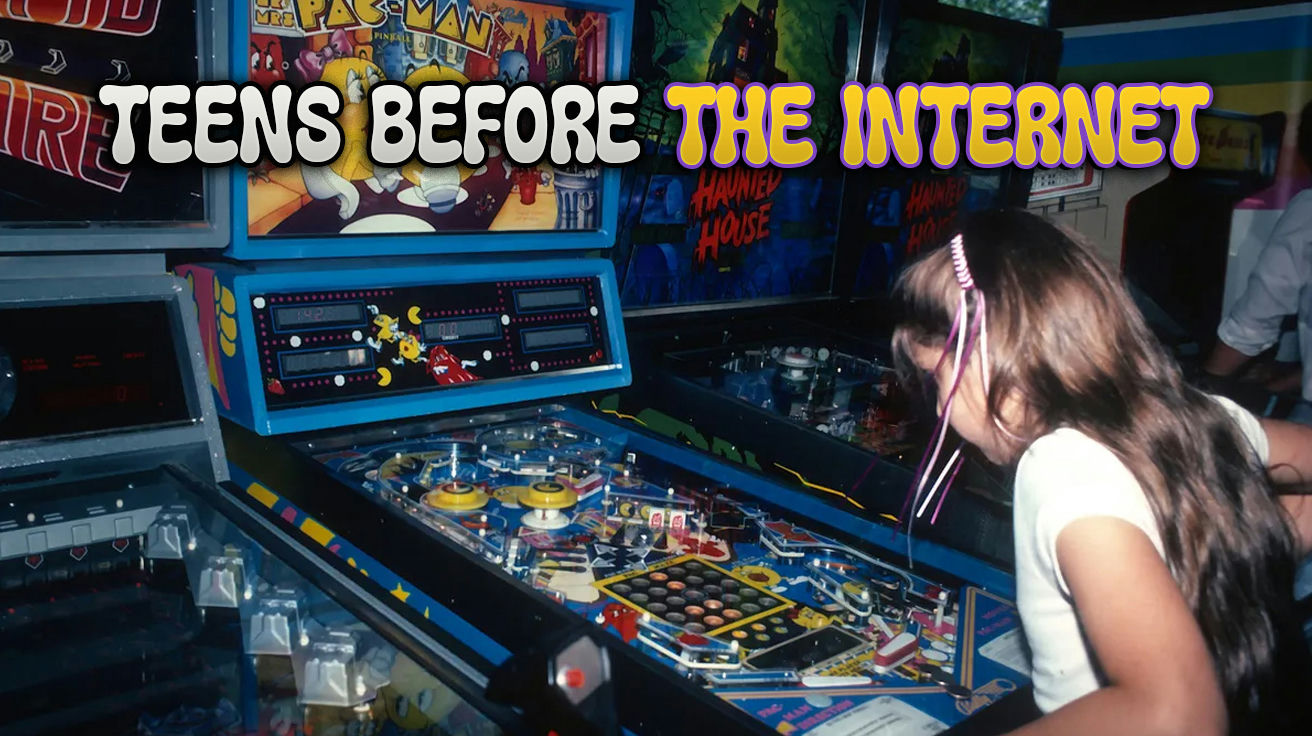
Dark neon temples where quarters died heroic deaths and legends were born. Your high score wasn’t just numbers—it was your digital grave marker proving you existed before social media validation became currency.
Home gaming was for casuals. Real players went where games cost money and strangers watched you demolish Pac-Man like it was the final boss of your social reputation.
17. Listening to the Radio

Original music streaming with human DJs who discovered artists instead of recycling your Spotify history into an endless echo chamber. Radio was one of the gadgets of the 70s that created cultural moments when entire cities heard the same song simultaneously—like watching the Super Bowl but for music.
You couldn’t skip tracks immediately, so you learned appreciating different genres instead of living in your musical comfort zone tighter than skinny jeans at a 2000s reunion party.
16. Doing Chores at Home

Life skill boot camp disguised as housework that taught priority management better than any productivity app. Balancing homework with lawn duty built real-world skills that actually transferred to adult responsibilities—revolutionary concept.
Forget trash duty? Deal with the smell. Skip dishes? Eat off dirty plates. Cause and effect were more immediate than Twitter backlash and twice as educational.
15. Playing Board Games and Cards

Strategy meant reading human faces, not screen interfaces. Monopoly marathons taught capitalism’s brutal lessons while destroying friendships over Baltic Avenue real estate deals that lasted longer than most celebrity marriages.
You learned bluffing, negotiating, and handling defeat with grace. These skills worked in real situations where rage-quitting wasn’t an option and blocking people required actual geography.
14. Outdoor Activities

Before helicopter parents planned every nanosecond, teens built bike ramps from stolen wood and learned physics through spectacular face-plants. Broken bones were merit badges, not lawsuit opportunities waiting for personal injury lawyers.
Weather controlled entertainment like a boss algorithm you couldn’t hack. Rain meant indoor prison. Sunshine meant unlimited freedom. No backup plan except what Mother Nature allowed.
13. Face-to-Face Social Interactions

Imagine resolving conflicts without hiding behind carefully curated responses or strategic read-receipt delays. Pre-internet teens decoded actual facial expressions and handled awkward silence in real time without editing privileges or delete buttons.
Your friend circle was limited by geography and parental transportation schedules. Quality over quantity wasn’t Instagram philosophy—it was survival. Starting over meant physically moving towns, not just switching group chats.
12. Mixtapes

Forget thirty-second Spotify playlists thrown together faster than fast fashion. Mixtapes required hours of radio surveillance, finger poised on record like waiting for Taylor Swift concert tickets to drop at exactly 10 AM.
You weren’t sharing music—you were crafting 90-minute emotional manifestos that required more dedication than binge-watching an entire Netflix series. Digital playlists work fine, but they’ll never match something you bled actual time creating.
11. Playing in the Park

Unstructured outdoor time where imagination ruled and safety nets were suggestions, not legal requirements covering every conceivable surface. Parks provided neutral ground for pickup games and adventures that couldn’t happen under constant adult surveillance.
Physical activity happened naturally through fun, not scheduled like therapy sessions. Risk assessment developed through experience, not warning labels more detailed than terms of service agreements.
10. Landline Telephones

One phone per household, chained to walls like communication ankle monitors that made ghosting impossible. Everyone knew exactly where you were when it rang, creating anxiety without the modern comfort of read receipts, typing indicators, or digital breadcrumbs to navigate expectations.
Phone cord length measured your privacy range like an electronic leash, forcing strategic bathroom stretches for secret conversations. Explaining that suspicious geography when mom needed pizza delivery required diplomatic skills that would make hostage negotiators proud.
9. Using Payphones

Public communication that didn’t require monthly plans or data allowances, serving as emergency lifelines when social plans went sideways. These coin-operated saviors provided backup communication when parents demanded location updates from uncharted suburban territories, making independence possible without breaking family budgets.
Finding working payphones became urban survival skills more valuable than knowing emoji meanings, though hygiene concerns were legitimate. Desperation usually beat squeamishness when you needed that call—like choosing gas station sushi when it’s the only food option for miles.
8. Riding Bikes with Friends

Freedom machines that extended territorial range beyond walking distance without requiring licenses, insurance premiums, or parental chauffeur services. Group rides weren’t scheduled exercise sessions—they were spontaneous expeditions into unknown suburban territories where adventure waited around every corner and parental oversight couldn’t follow.
Building bike ramps taught engineering through trial and error methodology that no YouTube tutorial could match. Physics lessons arrived through scraped knees and bent wheels, delivering education that hurt more than Twitter ratios but lasted longer than social media burns.
7. Reading Physical Books

Books were Netflix before Netflix existed, but each one demanded commitment harder than maintaining Duolingo streaks without reminders. No chapter skipping, speed controls, or instant gratification—just you versus hundreds of pages in what felt like literary mountain climbing with your attention span as the only equipment.
Library browsing was treasure hunting where you discovered authors by accident rather than algorithmic suggestion, making every find feel genuinely earned. Physical progress was visible through bookmark advancement, and completion felt more satisfying than finishing entire seasons because you couldn’t binge your way through boring parts.
E-readers work fine for convenience, but they can’t replicate the sensory experience of turning real pages or the satisfaction of building a visible collection that told visitors who you were.
6. Making Prank Calls

Before caller ID destroyed everything, anonymous mischief was legitimate art requiring quick wit and timing sharper than dropping the perfect comeback in group chats. Prank calls taught improvisation skills while delivering harmless thrills.
Getting caught added real adrenaline to simple jokes that felt like spy missions. Sure, it wasn’t always considerate—like posting without thinking about who might see it, but analog style.
5. Television Viewing Habits

Three channels maximum. Take it or leave it. Miss your show? Wait for summer reruns and live with FOMO longer than waiting for your favorite artist to drop new music. Families crowded around one screen because individual viewing wasn’t economically feasible.
Appointment viewing created cultural moments when everyone watched identical content simultaneously—like viral TikToks but actually bringing people together instead of isolating them in separate scroll holes.
4. Attending School Dances/Events

Gymnasium transformations that converted basketball courts into magical social laboratories. School dances were mandatory rites of passage where awkward slow dancing taught human connection better than any dating app algorithm.
Asking someone to dance face-to-face required courage that swiping right can’t develop. Shared experiences created lasting memories and cultural references that connected entire graduating classes like inside jokes that actually stayed inside.
3. Reading Books

Before recommendation engines decided your literary diet, book discovery happened through library wandering and friend tips. You judged books by covers because that’s all the intel available—sometimes hitting gold, sometimes suffering through literary punishment.
Physical collections displayed your personality publicly instead of hiding in invisible digital libraries. Your bookshelf told visitors who you were before opening your mouth—like Instagram bios but actually meaningful.
2. Leisure Time Management

Boredom was creativity fuel, not problems requiring immediate digital intervention. When entertainment options were limited, teens transformed bottle caps into games and cardboard into castles. Imagination consistently beat algorithmsat generating genuine fun.
No notification alerts meant actual focus on chosen activities. You selected your distractions instead of them selecting you through engagement hooks more addictive than your favorite show’s cliffhangers.
1. Watching TV with Family

ingle television ownership required diplomatic negotiation skills that would impress UN peacekeepers, since owning multiple TVs was a luxury everyone dreamed of but few could afford. You learned appreciating shows you’d never choose personally but ended up loving—like discovering your new favorite song wasn’t on your usual playlist.
Prime time created synchronized household experiences where missing family movie night meant missing inside jokes and references that lasted years. Appointment entertainment that actually brought people together instead of creating individual content bubbles where everyone watches different things in separate rooms.