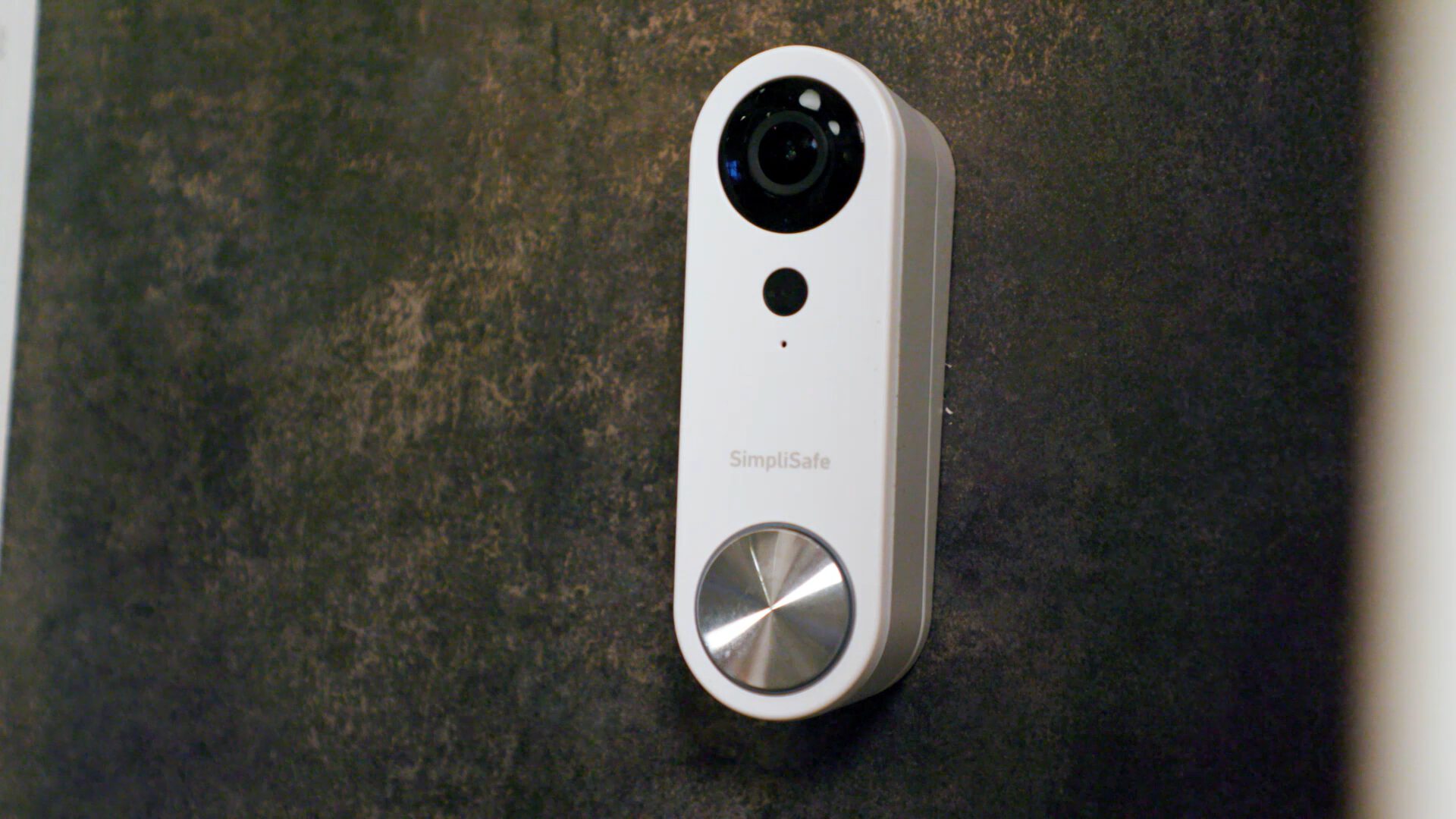
Smart doorbells promise security but often deliver surveillance—with your footage potentially shared with law enforcement faster than you can say “Ring.” SimpliSafe’s Video Doorbell Pro takes a different approach, positioning itself as the privacy-conscious alternative in a market increasingly dominated by companies cozy with police departments. While no cloud-based system offers perfect privacy, SimpliSafe’s warrant-required policies create meaningful barriers between your front door and government access.
Who Actually Owns Your Video?
SimpliSafe lets users control their footage instead of treating it as a data source.
Unlike Ring’s well-documented police partnerships, SimpliSafe operates on a warrant-required basis. Your video recordings remain yours, with no third-party sharing without explicit consent, according to the company’s privacy policy. Monitoring agents can access indoor footage only during alarm events—and only if you’ve opted into services like Intruder Intervention.
The contrast feels stark when you consider Ring’s Neighbors app essentially crowdsources surveillance for law enforcement. SimpliSafe doesn’t sell personal information for money and maintains that users retain ownership of their recordings. The company requires valid legal orders for law enforcement access, creating procedural hurdles that voluntary sharing programs deliberately bypass.
They take it seriously. SimpliSafe’s CEO Hilary Scheider recently shared a LinkedIn post talking about concerns in privacy among home security companies.
The Federal Law Reality Check
Privacy policies can’t override federal emergency sharing rules that affect all cloud providers.
Here’s where things get complicated. The Electronic Communications Privacy Act allows SimpliSafe—and competitors like Google—to share cloud-stored footage during emergencies without user consent, according to Consumer Reports. This federal override applies industry-wide, making SimpliSafe’s privacy stance more about policy choice than legal immunity.
Your footage lives in the cloud for 30 days during subscription periods, creating the same potential vulnerability that privacy advocates criticize in Ring’s ecosystem. The difference lies in SimpliSafe’s commitment to requiring warrants for non-emergency requests, while Ring has historically been more accommodating to police partnerships and data requests.
Local Storage vs. Cloud Convenience
True privacy requires abandoning cloud features most users actually want.
Companies like Eufy offer local storage options that genuinely keep footage private, but SimpliSafe’s cloud-dependent model prioritizes remote access over absolute privacy. You get 30-day storage, smartphone alerts, and professional monitoring—conveniences that require trust in corporate privacy policies rather than technological guarantees.
The trade-off becomes clear when you realize that meaningful smart home features depend on internet connectivity and cloud processing. SimpliSafe’s approach acknowledges this reality while implementing stronger policy protections than many competitors.
Your smart home’s privacy ultimately depends on choosing providers whose policies align with your comfort level. SimpliSafe’s warrant requirements beat Ring’s voluntary sharing culture, but perfect privacy comes at the cost of cloud features that make smart security actually smart.