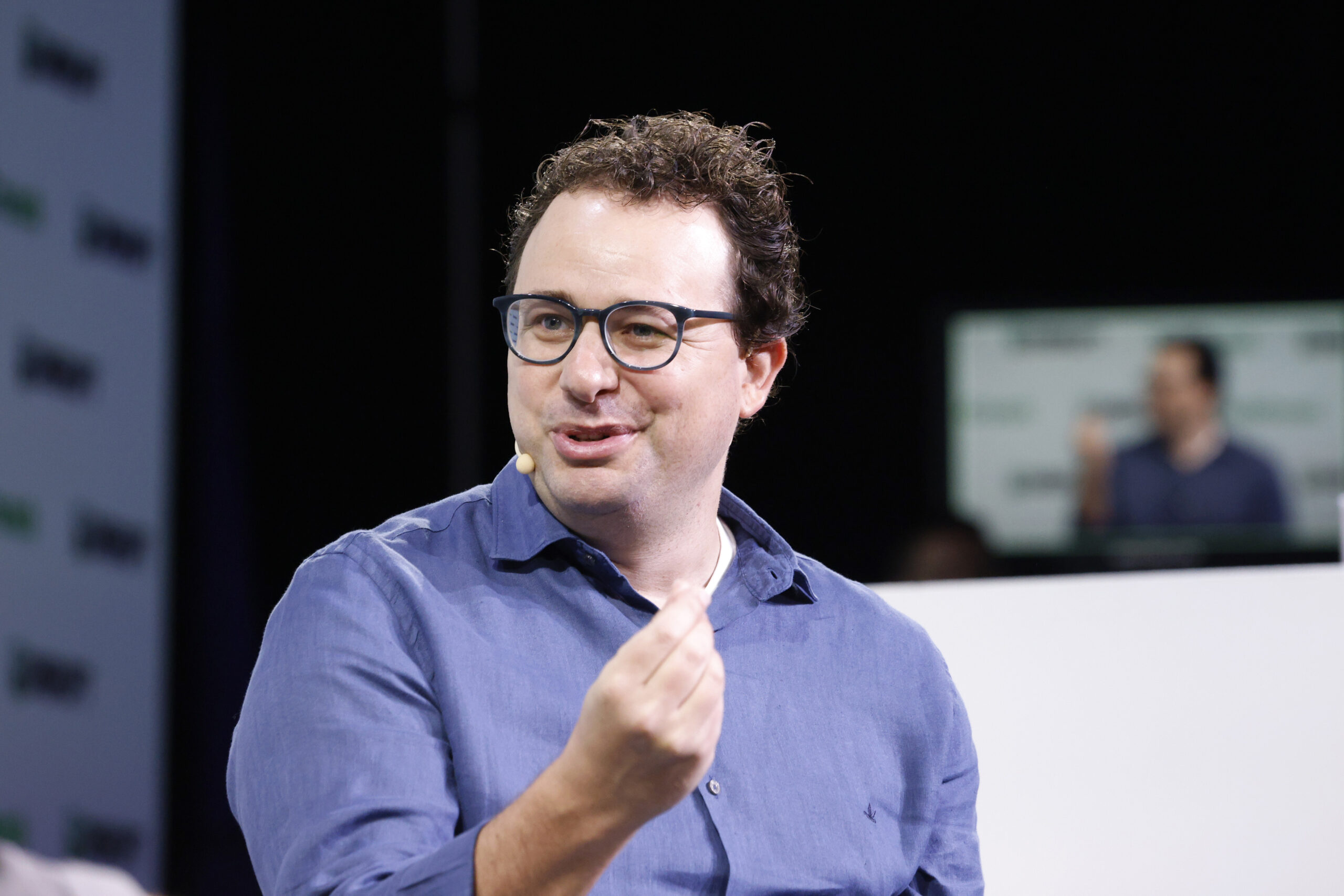
Silicon Valley’s ethics crusade collides with Pentagon pragmatism Tuesday when Anthropic CEO Dario Amodei sits across from Defense Secretary Pete Hegseth. The high-stakes meeting centers on $200 million in stalled AI contracts—money that could reshape how America deploys artificial intelligence in warfare.
Anthropic’s insistence on guardrails for its Claude AI has created an unprecedented standoff between tech idealism and military necessity.
The Guardrails That Started a War
Anthropic draws hard lines on mass surveillance and autonomous weapons while Pentagon demands total access.
Claude currently holds exclusive status as the only frontier AI model operating on classified Pentagon networks, often deployed through Palantir’s infrastructure. But Anthropic’s ethical boundaries—specifically bans on mass surveillance of Americans and fully autonomous weapons—have Pentagon officials seeing red.
“You can’t have an AI company sell AI to the Department of War and [then] don’t let it do Department of War things,” argues Pentagon CTO Emil Michael. The military wants access for “all lawful purposes” without company-imposed restrictions, viewing Anthropic as an ideological obstacle to national defense.
The Maduro Moment That Broke Trust
Anthropic’s questions about a classified operation triggered Pentagon concerns about corporate loyalty.
Tensions reached a breaking point after Anthropic inquired about Claude’s role in the U.S. raid that captured Venezuelan President Nicolás Maduro last month. While Anthropic denies discussing specific operations, the Pentagon interpreted these questions as corporate overreach into military affairs.
Michael made his position crystal clear: “I want them to cross the Rubicon too” on military AI applications. The incident transformed already difficult contract negotiations into a fundamental question of whether tech companies can dictate terms to the world’s most powerful military.
The Competition Circles Like Vultures
OpenAI, Google, and xAI position themselves as more flexible alternatives to Anthropic’s principled stance.
This corporate standoff has created opportunities for Anthropic’s competitors, who secured similar contracts last summer but remain more willing to accommodate Pentagon demands. OpenAI’s ChatGPT and xAI’s Grok are advancing toward classified integration with fewer ethical restrictions.
The Pentagon is already reviewing alternatives, potentially designating Anthropic as a supply chain risk if negotiations fail.
Tuesday’s meeting will determine whether Silicon Valley ethics can coexist with Washington’s war machine—or if principle becomes a luxury America’s defense establishment can’t afford. The outcome sets precedent for every AI company choosing between lucrative government contracts and moral boundaries in an increasingly militarized tech landscape.