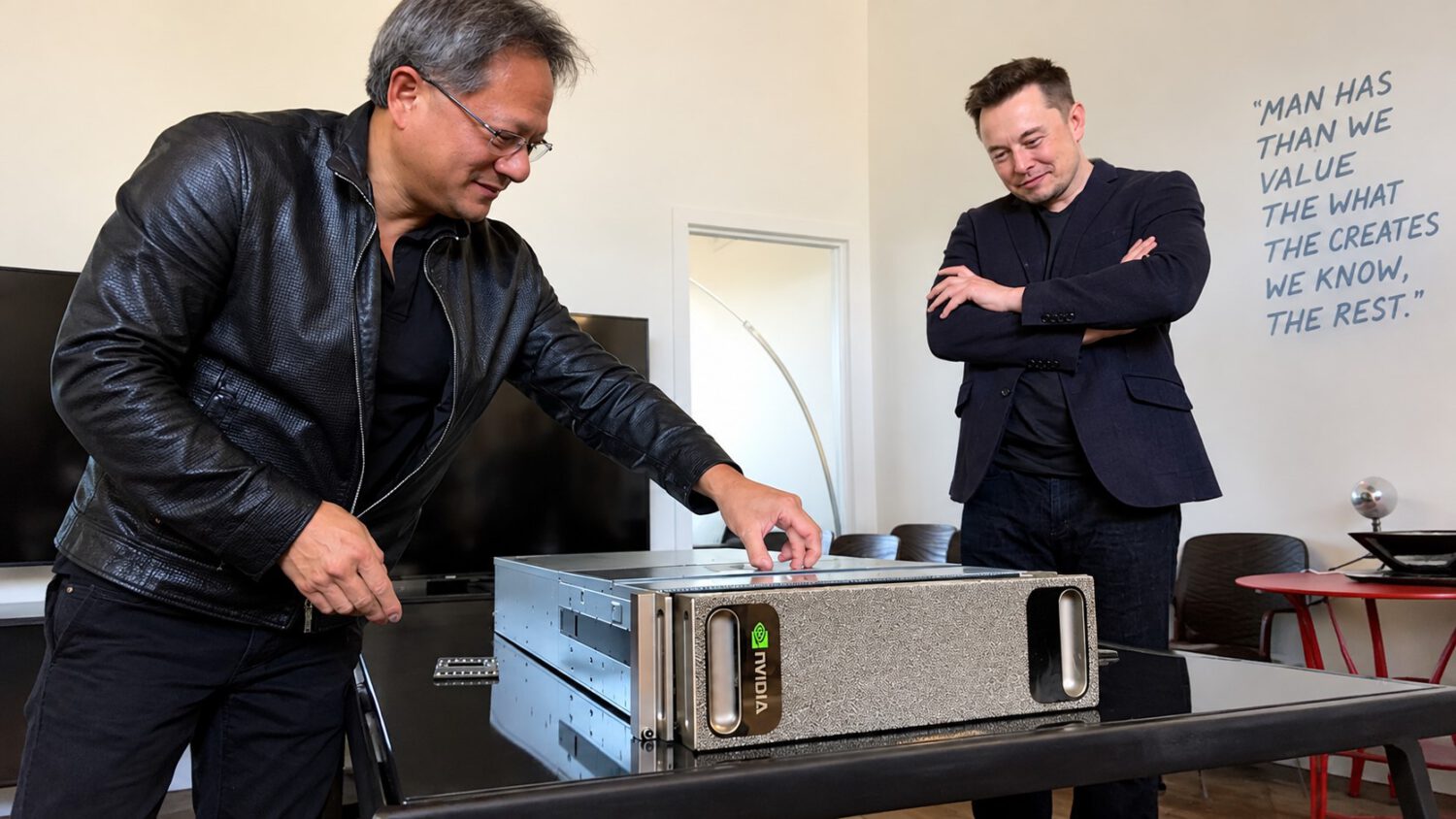
Enthusiasm is not a contract. When financial account ZeroHedge posted “Elon please hire Jensen” on X, Musk replied publicly: “That would be an honor.” No role, no company, no compensation, and no timeline appeared in that exchange, and no public reporting has identified anything resembling a formal offer.
That comment landed against an unsettled backdrop for Nvidia. Reports described the company’s board as weighing Huang’s future after accounts of alleged extramarital relationships and an investigation into whether one relationship involved a person suspected by U.S. intelligence of ties to Beijing. Nvidia’s board stated it had no reason to believe national security or company secrets were compromised, and said Huang would cooperate with the review.
According to Reuters, Nvidia shares fell more than 8% in extended trading on the news. The allegations remain unproven, and the cited reporting does not establish the intelligence connection as fact.
Why the Question Is Not Entirely Absurd
Huang’s background touches almost every challenge Musk’s companies are actively trying to solve.
Musk leads Tesla, SpaceX, and xAI, all of which pursue projects that require substantial AI-computing infrastructure of the kind Huang spent decades building. His value would extend well beyond chip knowledge. Huang has managed relationships with semiconductor manufacturers, enterprise customers, software developers, and governments across a career that transformed Nvidia from a graphics card company into a dominant force in modern AI infrastructure.
That experience maps onto problems Musk’s companies are actively working through. Those problems span autonomous-vehicle computing and large-scale AI training. Tesla has pursued proprietary chip development alongside its use of Nvidia hardware for AI and autonomous-driving infrastructure, meaning Huang could bring experience from the supplier side as well as an understanding of customer needs. A driverless Tesla illustrates just how high the real-world stakes of that autonomous-driving work have become.
The Complications Are Significant
Moving from Nvidia to a Musk-led company would raise immediate questions about conflicts, confidentiality, and competition.
The cited reporting does not establish that Huang sought or responded positively to any such interest. Nvidia’s board controls succession and Huang could face contractual, fiduciary, or confidentiality issues depending on the terms of his agreements and applicable law. Moving from chip supplier to major customer could raise questions about conflicts, confidentiality, and competition, though no regulator has been reported as examining a prospective Musk-Huang move. Musk’s post named no specific company, role, or structure, making it impossible to assess what an actual offer would look like.
What This Episode Actually Is
Strip away the viral momentum and a straightforward picture emerges.
What remains after the viral moment is a public expression of admiration during an unsettled leadership period at one of the most consequential companies in AI. Musk’s reply indicates enthusiasm. It does not confirm negotiations, conversations, or any formal process.
A future advisory, board, or strategic role at a Musk company is theoretically possible. It is also entirely speculative, unsupported by evidence of any discussions. Until either party says otherwise, this exchange belongs in the category of things that happened on the internet, not things that happened in a boardroom.